La Vida Ibérica Hosts an Alentejo Wine Session in Lisbon on Oct. 8
Luís Sequeira will discuss the wine sector’s future before a tasting of five Alentejo wines and regional foods.
Monday, October 5, 2026

Views › 2142
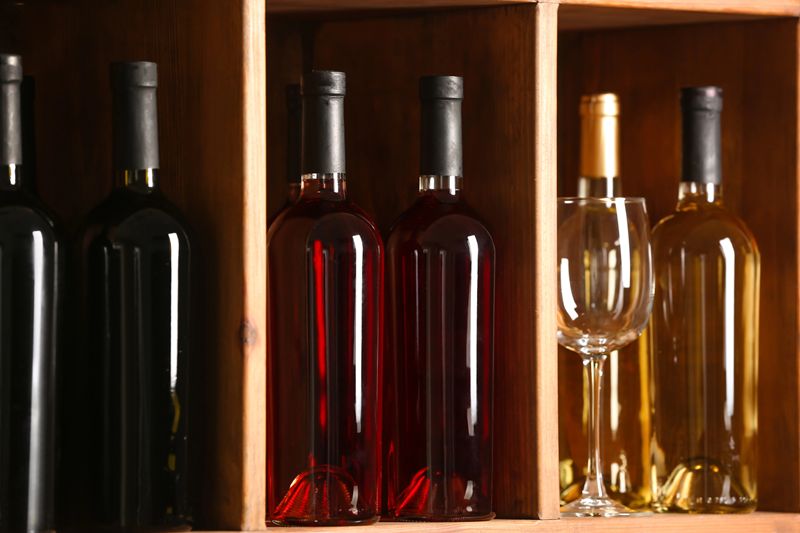
La Vida Ibérica and El Corte Inglés will hold a new session of Sabores e Paladares Ibéricos on Thursday, Oct. 8, at 6:30 p.m. in Lisbon, with a program centered on the wines, food and traditions of Portugal’s Alentejo region. The event will take place at the Sala de Âmbito Cultural on the sixth floor of El Corte Inglés, at Avenida António Augusto de Aguiar, 31.
According to the organizers, the fall season opener will be presented under the Portuguese title “Um alentejano cai sempre bem,” and will focus on the current state of Alentejo wine and the broader identity of the region’s food culture. The session is part of the Iberian tasting and discussion series promoted by La Vida Ibérica in partnership with the Lisbon department store.
The main guest will be Luís Sequeira, president of the Comissão Vitivinícola Regional Alentejana, the regional wine commission for Alentejo. Sequeira is scheduled to speak on the theme “Setor do Vinho: Crise ou Oportunidade,” or “Wine sector: crisis or opportunity.” Organizers said the talk will address the deep changes affecting the wine business and the opportunities linked to added value, quality and product differentiation.
The session will also include a guided tasting of five wines meant to reflect the current direction of Alentejo production. Organizers said the selection will include labels connected to the PSVA, the sustainability program for Alentejo wines, as well as examples of vinhos de talha, the traditional amphora-aged wines of the region, and wines made from old vineyards.
The food pairing will be built around products associated with Alentejo’s regional cuisine. The organizers said guests will be able to taste Queijo de Évora and Queijo de Serpa DOP cheeses, along with chorizo and cured ham from black pork. They also said the tasting will include other regional products such as honey and olive oil, in an effort to give a broader picture of the area’s food heritage.
Beyond the Alentejo program, the event will also include a presentation from representatives of the regional government of Extremadura in Spain. They are expected to introduce “Outono Mágico” in the Ambroz Valley, a seasonal program that promotes nature, culture and local flavors in that cross-border territory. Organizers said the goal is to connect two neighboring regions linked by the Iberian frontier and to highlight the cultural and food ties between them.
The event comes at a time when producers across the Iberian Peninsula are facing pressure from changing consumption patterns, higher costs and the need to position wines more clearly in terms of origin and sustainability. By placing the debate around crisis and opportunity at the center of the session, the organizers appear to be framing the gathering not only as a tasting, but also as a discussion about how traditional wine regions can adapt without losing identity.
Sabores e Paladares Ibéricos has been used by La Vida Ibérica as a platform to bring together producers, institutions and consumers around wine, gastronomy and tourism in Spain and Portugal. In this case, the emphasis on Alentejo reflects the region’s growing international profile, both for classic red wines and for categories that have gained visibility in recent years, including sustainable wines, old-vine bottlings and talha wines rooted in historical production methods.
Attendance at the Lisbon session requires prior confirmation, according to the invitation issued by the organizers.