U.S. beer shipments fell 3.9% through September
The drop equaled 5.5 million fewer barrels, with third-quarter volume down nearly 4% despite support from exports and ready-to-drink products
Thursday, November 19, 2026

Views › 580
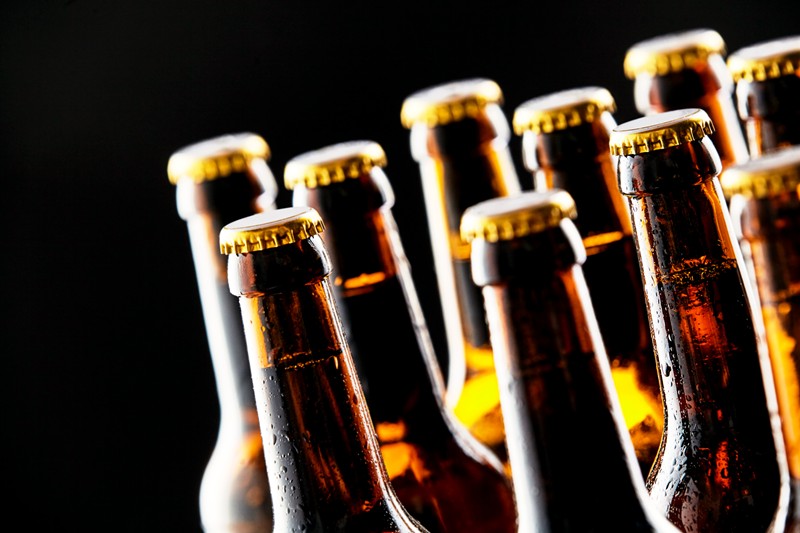
U.S. beer shipments fell 3.9% from January through September, according to estimates from Beer Marketer's Insights, extending the pressure on a market that has struggled to return to volume growth. The decline amounted to about 5.5 million fewer barrels shipped than in the same period a year earlier.
The weakness continued in the third quarter, when shipments were down nearly 4%, the publication said. That suggests the slowdown was not limited to one part of the year and instead reflected a broader softening in beer volume through the first nine months.
Beer Marketer's Insights characterized the picture as complicated by ready-to-drink products and exports, but said overall volume remained challenged. The report's framing points to areas that may be helping some companies offset part of the decline, even as the core beer business remains under strain.
The figures are closely watched across the beverage industry because shipment trends help shape decisions well beyond brewhouses. A sustained drop in beer volume can affect production schedules, import planning, packaging orders, warehouse needs and the use of brewery capacity. It can also influence inventory decisions for distributors and retailers that balance beer against other alcoholic drinks, including spirits-based canned cocktails and other ready-to-drink products.
The January-through-September decline also adds to the pressure on brewers that have been trying to protect margins in a market where consumers have become more selective about what they buy and where they spend. When volume falls, companies often face harder choices on pricing, promotions and brand investment, especially if they are also managing weaker demand in mainstream segments.
For importers and exporters, the mention of exports in the Beer Marketer's Insights assessment suggests that trade flows may have helped soften part of the decline for some players. But the overall shipment drop shows those gains were not enough to lift the broader market through September.
Because shipments are a basic measure of how much beer moves into the distribution system, the report is likely to be used by producers, wholesalers and suppliers as they plan for the months ahead. For companies tied to beer production, the numbers may signal a need for caution on output and inventories unless demand improves. For the wider drinks business, they reinforce the importance of category mix as consumers move spending across beer, wine, spirits and ready-to-drink offerings.
The report from Beer Marketer's Insights leaves the industry heading into the final part of the year with lower shipment volume than it had at the same point in the prior year, even with support from categories and channels that have offered some relief.