The 50 Best Vineyards will hold its 2026 awards ceremony in Santiago for the first time.
A hosted media program will include optional trips to Apalta and Biobío around the Nov. 18 event.
Friday, September 25, 2026

Views › 3509
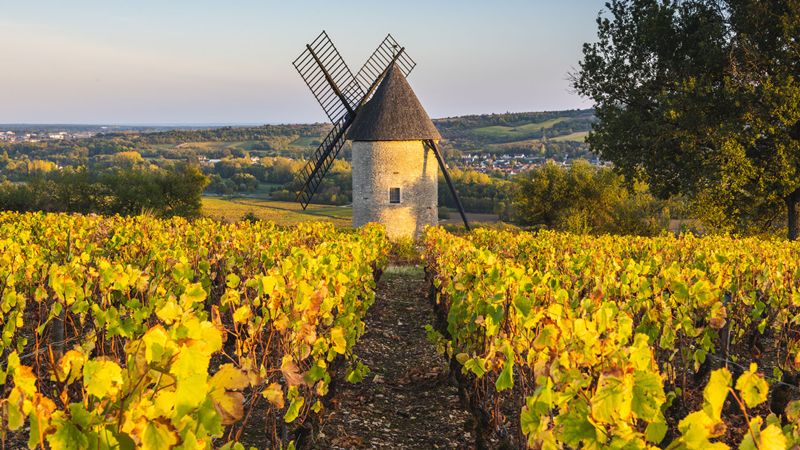
Organizers of The 50 Best Vineyards 2026 awards are moving next year’s ceremony to Santiago, Chile, and have begun inviting international media to attend a week of events centered on the annual ranking of vineyard tourism destinations.
According to an invitation and follow-up email sent by Bella Brown, a junior account executive at the London communications firm Phipps Relations, the hosted media program is scheduled to run from Saturday, November 14, to Saturday, November 21, 2026, with the main ceremony set for Wednesday, November 18, in Santiago. Brown said the invitation was sent on behalf of Grupo Liderazgo and Santiago de Chile.
The event marks the first time the awards will be held in Chile. Organizers described that move as a significant step for a ranking that has become closely tied to international wine tourism and hospitality. In the invitation, they said the 2026 edition represents a new stage for the awards as they make their debut in one of the world’s best-known wine-producing countries.
The ranking is now presented as The 50 Best Vineyards. Organizers noted that it was previously known as The World’s 50 Best Vineyards. The annual list focuses not only on wine quality, but also on the overall visitor experience, including hospitality, architecture, tourism appeal and destination value. In the invitation, organizers called it a benchmark for excellence in vineyard experiences around the world.
The Santiago ceremony is expected to bring together vineyard operators, tourism representatives, members of the wine trade and invited media. The event will reveal the 2026 list of the vineyards selected for recognition. Organizers also said the program will include additional celebrations and local experiences in the Chilean capital beyond the awards night itself.
The itinerary outlined in the invitation is divided into a mandatory core program in Santiago and two optional regional extensions. The Santiago portion is scheduled for November 16 through November 19 and is listed as required for invited guests. It includes attendance at the awards ceremony and related official events.
Before the Santiago events, organizers are offering an optional visit to the Apalta Valley from November 14 to November 16. The invitation says that part of the trip would include visits to some of Chile’s most recognized vineyard properties, including VIK, Clos Apalta, Montes and Lapostolle. Organizers presented that portion of the program as an opportunity to showcase high-profile wineries, major vineyard architecture and established wine tourism assets in central Chile.
After the ceremony, invited guests may also join an optional visit to the Biobío region from November 19 to November 21. Organizers said that extension would focus on cool-climate wines, coastal scenery and local seafood, highlighting a different side of Chile’s wine landscape from the one usually associated with the country’s better-known central valleys.
The invitation states that flights in economy class, ground transportation, local experiences, meals and stays in 4-star and 5-star accommodations will be fully hosted by Grupo Liderazgo for approved participants. Organizers said places are limited and would be assigned on a first-come, first-served basis. The original email asked recipients to confirm attendance by Monday, September 21, 2026, and to specify which portions of the itinerary they wanted to join. A follow-up email sent later asked again whether invitees were interested in attending.
The outreach reflects the growing role of destination marketing in major wine awards programs, which increasingly function not only as rankings but also as platforms for promoting wine tourism regions to global media and trade audiences. Chile’s selection as host fits into that broader trend. The country is one of Latin America’s most established wine exporters and has spent years expanding its image beyond wine production to include vineyard stays, food tourism, design-driven wineries and regional travel experiences.
By placing the ceremony in Santiago and linking it with side trips to Apalta and Biobío, organizers appear to be using the event to present both flagship and emerging wine areas. Apalta, in the Colchagua Valley, is already well known internationally for premium red wines and high-end winery projects. Biobío, farther south, has drawn more attention in recent years for cooler-climate styles, smaller producers and a landscape that differs from the traditional image of Chilean wine country.
The invitation also underlines the continuing international reach of The 50 Best Vineyards brand. The annual list has built visibility by combining elements of hospitality awards, travel recognition and wine industry promotion. Unlike competitions centered on individual bottles or producers, the ranking highlights the experience of visiting a vineyard, an approach that aligns closely with tourism boards and regional development groups seeking international exposure.
Neither the invitation nor the follow-up email provided details on the judging timeline, voting process or the number of media outlets expected to attend the Santiago program. The materials focused instead on the travel schedule, the host arrangements and the significance of Chile as the venue for the 2026 edition.
Phipps Relations, which distributed the invitation, is a U.K.-based communications agency that works in drinks and hospitality. In the correspondence, Brown signed the emails as a junior account executive and provided contact information for responses through a dedicated address for The 50 Best Vineyards campaign.
The official website linked in the invitation identifies The 50 Best Vineyards as an international ranking dedicated to vineyard tourism experiences. Organizers said the 2026 event in Santiago will celebrate what they consider the world’s leading vineyard destinations while placing Chile at the center of that discussion for the first time.