European Parliament Approves Temporary Tariff Suspension for Armenian Goods
Lawmakers voted 583 to 49 for short-term duty relief meant to help exporters recover from Russia’s trade restrictions.
Thursday, September 17, 2026
The European Parliament on Tuesday approved a temporary suspension of tariffs on a broad range of Armenian goods, backing a measure meant to help Armenia redirect exports that were hit by Russian trade restrictions introduced last spring.
Lawmakers meeting in plenary supported the regulation by 583 votes to 49, with 39 abstentions, according to Agence Europe. The vote gives Parliament’s formal backing to a package that would remove customs duties for a limited period on affected Armenian products entering the European Union.
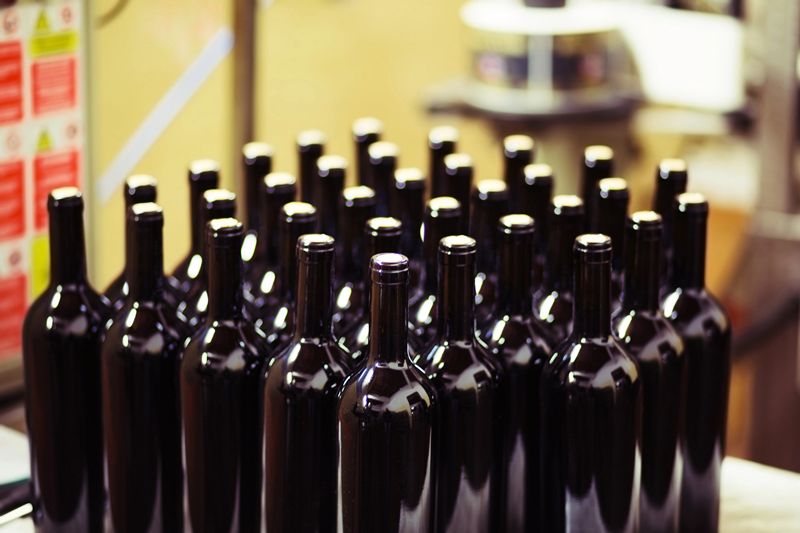
The measure is aimed at easing pressure on exporters in Armenia after Russia imposed restrictions that sharply disrupted trade flows. According to Agence Europe, the products most affected include almost the entire volume of Armenian fruit, vegetables and plants that had been exported to the Russian market. More than 91% of beverages and spirits are also covered, making the decision especially important for Armenian producers of alcoholic drinks that may now have a better chance to shift sales toward EU buyers with lower border costs.
The vote follows earlier support in Parliament’s International Trade Committee, which had already endorsed the proposal by a wide margin. Tuesday’s decision marks the end of Parliament’s part of the process at first reading, but the regulation is not in force yet. The Council of the European Union must still approve Parliament’s position before the measure can be formally adopted.
Once that step is completed, the regulation will take effect on the day after it is published in the EU’s Official Journal. That timing matters for Armenian exporters looking for a quick alternative to the Russian market, since the tariff relief is designed as a short-term response rather than a permanent change in EU trade policy.
The scale of the vote showed broad support across the chamber for using trade policy as a practical tool to cushion the impact of sudden market closures. While the measure is focused on Armenia, it also reflects the EU’s willingness to open its market selectively when a neighboring country faces abrupt external trade pressure.
For the beverage business, the decision could have a direct commercial effect if Armenian wine, brandy, spirits and other drinks covered by the regulation become more competitive in the EU. Lower duties do not guarantee new sales, but they can reduce entry costs and make it easier for importers and distributors in the bloc to test or expand Armenian products at a time when producers are trying to replace lost access to Russia.
The regulation approved by Parliament is framed as a targeted response to the spring restrictions imposed by Moscow. By temporarily lowering tariff barriers, the EU is trying to create a faster route for Armenian goods that suddenly need alternative outlets, with agricultural products and beverage exports among the sectors most exposed to the disruption.