Wildfire Smoke Raises Smoke-Taint Fears for Michigan Winemakers
Growers say July’s haze probably spared this year’s grapes, yet it exposed a new climate risk for a nearly $9 billion industry.
2026-09-07
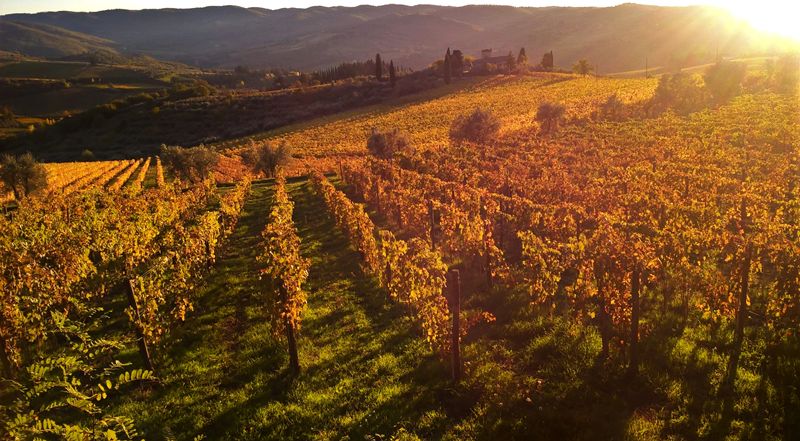
Wildfire smoke that drifted over northern Michigan in July has added a new concern for the state’s winemakers, who say a problem once associated mainly with vineyards in the West and Australia is becoming more relevant in the Great Lakes region.
At Shady Lane Cellars in Suttons Bay on the Leelanau Peninsula, general manager and executive winemaker Kasey Wierzba said the vineyard looked unfamiliar when the smoke moved in. A pink and peach-colored haze covered the area, and visibility dropped sharply. Her first concern, she said, was whether the smoke could affect the grapes and eventually the taste of the wine.
For now, growers and researchers in Michigan say the immediate risk appears low. The heaviest fires were burning far away in Canada and Minnesota, the smoke did not stay over the region for long, and the grapes were still at an early stage of development. But the episode underscored how climate change is widening the reach of wildfire smoke and raising new questions for a state whose wine industry is valued at nearly $9 billion.
One of the main risks is what the wine industry calls smoke taint, a term used for unwanted flavors that can appear in finished wine after grapes are exposed to smoke for a sustained period. Those flavors have been described by growers and researchers as resembling charred food, ash, or burnt bacon.
Wierzba said she does not expect the July smoke to affect this year’s finished wines. At that point in the season, the grapes were still very small, in what growers call the buckshot berry stage. Even so, she said the event pushed her to think more seriously about how to prepare for future smoke episodes, including the possibility of sending grape samples to a laboratory to test for compounds linked to wildfire exposure.
That kind of testing can help, but experts say it does not offer a simple answer during the growing season. Paolo Sabbatini, a viticulture professor at Michigan State University, said it is generally hard to measure the true impact of smoke on grapes before wine is made. Compounds from smoke can bind to grape skins and other tissues, but the off-flavors tied to smoke exposure often do not become clear until fermentation.
In many cases, Sabbatini said, growers have to wait for the finished wine to know whether a smoke event caused damage. Unless a vineyard is very close to a fire and visible injury appears on the fruit, he said, the effects can be difficult to confirm in the field. After the July smoke, Sabbatini said he received 10 calls from grape growers and winemakers across Michigan asking about possible impacts.
Despite those concerns, he said he was confident the recent smoke did not last long enough or arrive at a sensitive enough moment to create serious problems for this year’s crop. The timing mattered. Growers said it was fortunate that the smoke did not arrive in the fall, when grapes are closer to ripening and are typically more vulnerable.
Brian Hosmer, winemaker at Chateau Chantal on the Old Mission Peninsula, said the fruit was still immature and in a stage when the clusters and berries were not yet fully formed. That, he said, helped lower the immediate risk from the July event.
The fires that sent smoke into the region are still burning in Ontario and Minnesota. According to the U.S. Forest Service, those fires have destroyed more than 64,000 acres so far. Even when flames are far from Michigan’s vineyards, smoke can travel long distances and still cause anxiety for growers who have limited control over exposure.
The issue is becoming more urgent in wine regions around the world. In southwestern France, fires have burned more than 160 square miles of forest near Bordeaux, threatening one of the world’s most recognized wine-producing areas. Winemakers in regions with a longer history of wildfire exposure have already had to confront the commercial and scientific challenges of smoke taint, including crop testing, altered harvest decisions, and difficult questions about whether wine quality can be preserved after exposure.
Ben Montpetit, chair of the Department of Viticulture and Enology at the University of California, Davis, said the number of wine-growing areas exposed to smoke is increasing as climate change drives hotter and drier summers that raise wildfire risk. He said there are no easy solutions once smoke taint occurs. Methods that may reduce some unwanted flavors can also affect the character of the wine or introduce other taste problems.
Montpetit said greater awareness of the issue has brought more public support for research. The latest draft of the U.S. farm bill includes language calling for more research and development on wildfire smoke exposure in wine grapes. Still, he said smoke taint is likely to remain a recurring challenge because fires will continue to affect wine regions in the future.
In Michigan, growers say wildfire smoke is only one part of a broader pattern of climate instability that is changing how they manage vineyards. Research on the state’s wine region has pointed to threats that include early spring frosts, which can damage vines, and hotter conditions during the growing season. Growers are also dealing with intense rainfall and wider swings in temperature.
Andy Fles, vineyard manager at Shady Lane Cellars, said this year has already been difficult because of extreme precipitation and fluctuating temperatures. In his view, climate change in northern Michigan does not simply mean a steady increase in warmth. It means greater unpredictability and more frequent disruptions that are hard to plan for.
That uncertainty matters well beyond the vineyard. For the beverage sector, increasing smoke exposure could force more producers to adopt testing and mitigation protocols during the growing season, make earlier decisions about whether grapes should be processed, and spend more on research and product quality controls. Those steps can affect both the economics of wine production and the consistency of what reaches consumers.
Michigan’s wine industry has long benefited from the moderating effect of Lake Michigan, which extends the growing season and helped establish areas such as Leelanau and Old Mission as major winemaking regions. But growers say adapting to environmental change is now becoming a larger part of the business.
Hosmer said concern about the latest smoke event is limited because of when it happened, but he added that a trend toward warmer summers is making producers pay closer attention to fire risks in the woods around their vineyards. Fles said wildfire smoke is now another factor that growers cannot control and will have to learn to manage if it becomes more common in the region.
