Bain Expects the Global Luxury Market to Grow 2% in 2026
The recovery is being driven by travel, hospitality and high-end dining, with weaker demand persisting in wine and spirits.
Wednesday, August 26, 2026
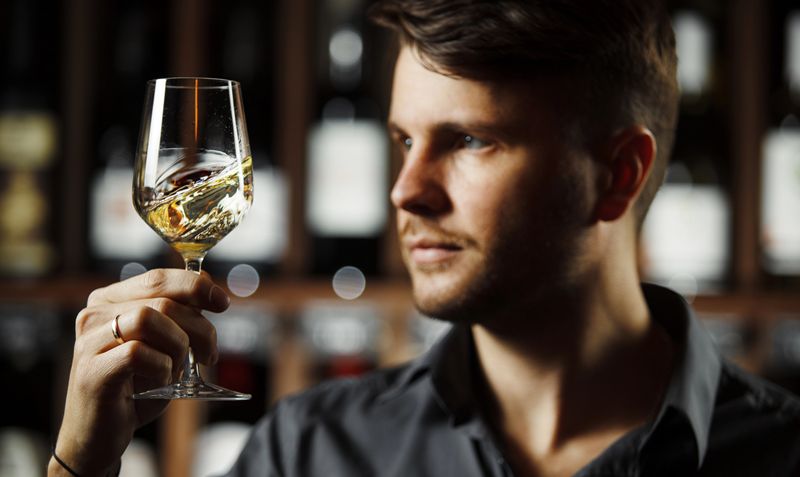
The global luxury market is expected to return to modest growth this year even as the broader wine market and other consumer sectors remain under pressure, according to a midyear update from Bain & Company and Italian luxury association Altagamma. The report says the overall luxury sector should expand by about 2% in 2026, while personal luxury goods are projected to rise between 2% and 4%, helped by stronger demand for travel, hospitality and high-end dining.
Bain and Altagamma said the industry is showing signs of stabilization after a period marked by economic volatility, geopolitical tension and shifting consumer habits. They estimated the global high-end market has reached €1.443 trillion and could end the year in a range of €1.44 trillion to €1.47 trillion. The report also found a sharp divide in company performance, though about 60% of brands are running above last year’s levels.
One of the strongest areas is luxury experiences. Bain and Altagamma forecast growth of about 4% for experiences led by hotels, fine food, restaurants, cruises and wine-related offerings. Within that segment, however, the report draws a distinction between upscale dining and alcoholic beverages. It says fine dining and gourmet food are benefiting from a “less, but better” approach among consumers, while wine and spirits are facing softer demand as buyers drink less often or move toward nonalcoholic alternatives.
That dynamic is especially notable for the wine business, which has faced weaker consumption in several major markets. The report suggests that among affluent consumers, spending has not disappeared but is being redirected toward categories perceived as more personal, memorable or tailored to individual preferences. In that environment, restaurants and hospitality appear to be holding up better than beverage volumes.
The regional picture is uneven. The United States stands out as the healthiest market in the report, outperforming other major regions despite broader uncertainty. China is showing signs of recovery, but Bain described that rebound as cautious. Europe and the Middle East, by contrast, are under more pressure, with weaker momentum than the U.S. and fewer signs of a near-term acceleration.
The report also points to a growing role for artificial intelligence in luxury purchases. More than half of luxury consumers already use AI at some stage of the buying process, according to the study, and nearly all expect to use it in the future. About 25% use it to discover new brands and products, while roughly two-thirds use it to compare options before making a purchase. Bain said that change is becoming increasingly important because product discovery, evaluation and buying decisions are now more often shaped by digital tools rather than by traditional brand messaging alone.
Sports sponsorships are another area of focus. The report says brands that invested in sports sponsorships over the past 12 months account for more than 80% of the total value of the luxury market. Bain said those investments are not aimed mainly at immediate sales growth. Instead, companies are using sports to build cultural relevance, expand visibility and reach new audiences on a global scale.
The strongest consumer momentum appears to be in experiential luxury, where buyers are seeking more personalized and emotionally meaningful offerings. Bain said bookings for immersive experiences in dining, leisure and entertainment are up 30% from a year earlier. The study links that increase to demand for tailored programs, slower forms of tourism and experiences tied closely to local culture. Travel to alternative destinations outside traditional luxury hot spots has also risen by 20%, a shift the report describes as a search for places that feel less crowded and more authentic.
Family travel is part of that trend as well. Bain said multigenerational trips are becoming more common, and about 50% of Gen Z consumers say their brand preferences have been influenced by their parents. The report argues that family ties now play a larger role in passing down consumption habits and values, including attitudes toward luxury goods, food, travel and lifestyle.
Beyond short-term sales, Bain says the meaning of luxury itself is changing. The report describes a move away from social recognition and visible status toward self-realization and quality of life. In that view, luxury is becoming less about what people own and more about how they live. Bain argues that this shift is forcing brands to rethink how they operate, with more emphasis on immersive experiences, cultural relevance and customized products or services supported by AI.
For luxury groups tied to hospitality and food, that change could be significant. Spending on premium meals, bespoke travel and high-end service appears to be benefiting from consumers who are cutting back in some areas while staying willing to pay for experiences they see as distinctive and worth remembering. That may help explain why the report sees stronger near-term prospects for restaurants and hotels than for wines and spirits, even inside the same broader luxury ecosystem.
Giovanna Vitelli, president of Altagamma, said the industry body sees experiential luxury as a key growth engine and argues that the sector remains economically important for Italy. She said Altagamma companies contribute disproportionately to gross domestic product, employment and tax revenues, and she linked the sector’s future to the preservation of Italian manufacturing and craftsmanship. Her comments reflect Altagamma’s broader position that luxury is not only a consumer category but also a strategic part of the country’s industrial and cultural base.
Claudia D’Arpizio and Federica Levato, Bain partners and co-authors of the report, said the market is stabilizing but not returning to its old pace. They said consumers are not abandoning luxury; instead, they are redefining it. In their view, demand remains solid, but buyers have become less tolerant of disappointing products and weak experiences. More than 70% of customers who have stepped back from luxury purchases say they expect to buy again, the report found, though not necessarily from the same brands or in the same categories.
That creates a difficult test for wine, spirits and other premium goods that once relied heavily on image and exclusivity. The report suggests that brands now have to prove relevance in a buying environment shaped by AI, experience-led spending and more selective consumers. In practical terms, that means stronger competition not only within luxury goods but also between goods and experiences, as affluent buyers weigh a bottle, a handbag or a watch against a trip, a restaurant reservation or a highly customized service.