French lawmakers file bill easing licenses for paid wine tourism tastings
The stand-alone proposal revives measures the Constitutional Council struck down earlier this year on procedural grounds.
Friday, October 9, 2026
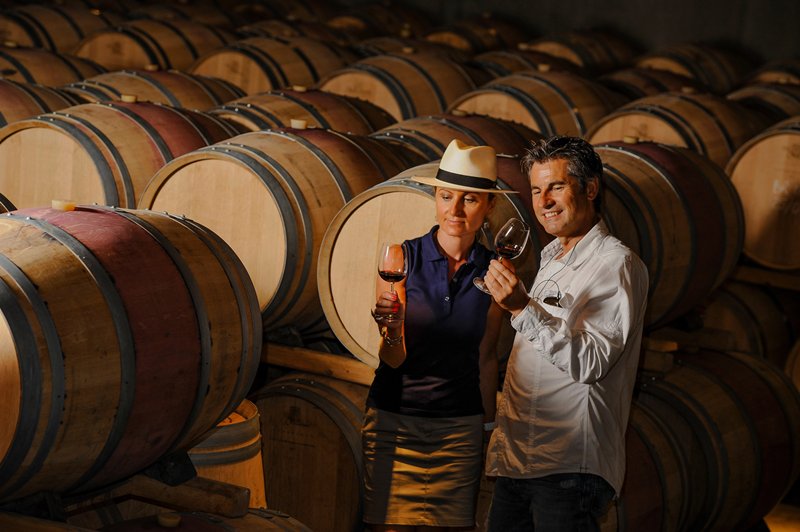
Lawmakers from France’s centrist bloc have filed a bill in the National Assembly that would ease licensing rules for some paid tastings tied to wine tourism and spirits tourism, reviving measures that were removed earlier this year on constitutional grounds.
The proposal, filed on Oct. 6, is meant to simplify rules for wineries, distilleries and other tourism sites that offer tastings or receive visitors, according to Agra Presse and the bill’s explanatory text. It would exempt certain paid tastings from the requirement to hold a beverage sales license when those tastings are organized for cultural, tourism or local promotion purposes.
The measure targets an area that has grown in importance for producers looking to draw visitors to vineyards, cellars and distilleries, especially in rural regions where tourism can add revenue beyond bottle sales. If approved, the change could reduce legal and administrative barriers for businesses that use guided visits and tastings as part of their commercial model.
The bill also includes a separate provision for distilleries that are open to the public and for museum-style visitor routes linked to spirits production. Those sites would be allowed to obtain a derogatory License IV, the French permit used for the sale of stronger alcoholic drinks. The explanatory statement says those licenses would not count against municipal quotas, a point intended to prevent the measure from blocking the opening of traditional bars in the same area.
In another change, the proposal would loosen rules for temporary beverage outlets by explicitly including seasonal events. Under certain conditions, those events would be allowed to sell alcohol from France’s 4th and 5th beverage groups, categories that cover stronger drinks. The bill would also allow spirits producers to sell directly at markets, a right that winegrowers and brewers already have under current rules.
The text is not creating these ideas for the first time. According to Agra Presse, all of the same provisions had already appeared in France’s May 2026 law on simplifying economic life. But the Constitutional Council struck them down, not because of their substance, but because it found they had been added to the law as legislative riders, meaning they were outside the proper scope of that bill.
That history helps explain why lawmakers have returned with a stand-alone proposal focused specifically on wine tourism and spirits tourism. By isolating the measures in a dedicated bill, supporters appear to be trying to give them a cleaner legal path through Parliament.
The initiative comes as producers across the drinks industry keep expanding tourism activities as a way to diversify income and strengthen direct contact with consumers. For wineries, distilleries and some local tourism operators, easier access to tastings, market sales and visitor-focused licensing could make it simpler to turn production sites into destinations. Whether that happens will depend on how much of the bill survives the parliamentary process and whether lawmakers keep the balance between tourism promotion and France’s alcohol control rules.
The proposal’s next steps will be determined by the National Assembly’s legislative calendar. No adoption date had been indicated in the information reported by Agra Presse.