U.S. wine importers urge Trump officials to spare bottles from new tariffs
The industry says imported labels drive 60% to 70% of many sellers’ business and support jobs, pricing and domestic wine sales
2026-06-30
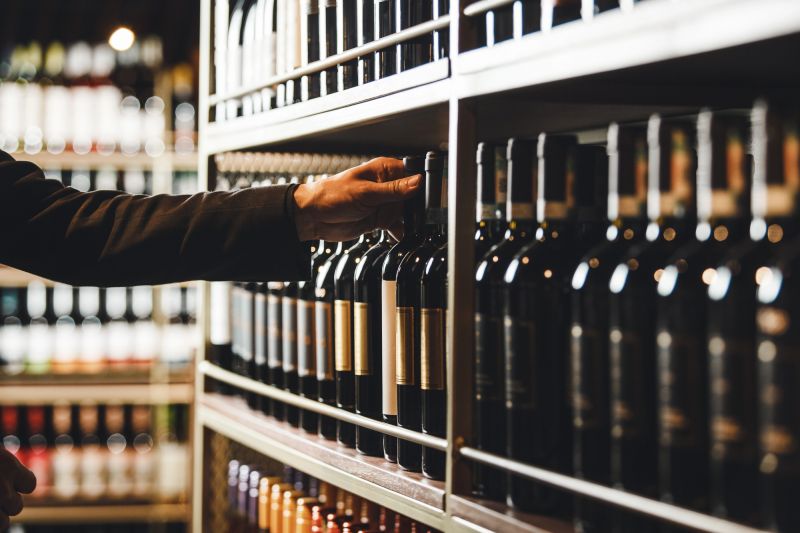
U.S. wine importers and distributors are pressing the federal government to keep wine out of a new round of possible tariffs, arguing that imported bottles account for 60% to 70% of business for many sellers and help drive sales across the broader American wine market.
The appeal comes from the U.S. Wine Trade Alliance, which is collecting signatures from members of the trade for a letter to federal officials as the Trump administration weighs whether to impose additional 10% duties on some products from several parts of the world, including the European Union. Wine is not explicitly included at this stage, but the group says it could still be affected as the review moves forward through the Office of the United States Trade Representative.
In its call to the trade, the alliance said many American wine merchants cannot sell domestic wine successfully without a strong portfolio of imported labels. It said imported wines often generate as much as 60% to 70% of pay for sales representatives and merchants because of steady demand for foreign brands and because imports offer a wider range of styles and price points than domestic producers alone can provide.
The group’s argument goes beyond simple volume. In its letter, it says wine is a global category in which products are not interchangeable, and that imported wines give retailers and restaurants the balance, credibility and variety they need to build lists and shelves that also make room for U.S. wines. Recognized foreign producers and regions, it argues, create reference points that help merchants explain style, tradition and place to buyers, making it easier to position domestic wines in a broader conversation.
The current tariff review is tied to Section 301 investigations into measures adopted by foreign governments to address forced labor. According to the alliance, federal officials have asked for comments not only on proposed tariff rates but also on which products should be included or excluded and whether duties on specific goods would be practical and effective. Those seeking exclusions have also been asked to explain whether tariffs could cause serious supply disruptions or broader harm to the U.S. economy.
That framework has given wine importers an opening to renew a long-running argument: that tariffs on imported wine do not fall only on overseas producers. The alliance says they would directly affect American businesses, workers and consumers in all 50 states.
The group has asked members of the U.S. wine trade to sign the letter by July 3 so it can be submitted by July 6, the deadline set for this phase of review. It also plans to take part in an upcoming USTR hearing on the issue with speakers drawn from different parts of the industry.
Among those expected to testify is Neal Rosenthal, who will speak from the perspective of a U.S. importer. Tim Mondavi is set to appear as an American wine producer. Kevin Parks of Grassroots Wine in South Carolina is expected to describe how imported wine supports sales jobs, local businesses and customers throughout the three-tier distribution system.
The alliance’s message reflects how closely tied imported and domestic wine have become in the United States. European wines, especially from Italy and France, remain central to many portfolios used by wholesalers, retailers and restaurant buyers. For beverage companies more broadly, any expansion of tariffs could raise costs, tighten supply choices and put pressure on pricing strategies across wine programs, with possible spillover effects for restaurants, distributors and stores that rely on imported products to attract customers and support overall beverage sales.
The debate also lands at a sensitive moment for an industry already dealing with slower demand in some segments, shifting consumer habits and pressure on margins. Importers and merchants say added duties would make it harder to maintain assortment at accessible prices, while domestic producers aligned with them argue that fewer imported benchmarks can also weaken interest in wine categories as a whole rather than redirect demand neatly toward American bottles.
For now, the administration has not announced whether wine will be added to any final tariff list. But the latest push by the U.S. Wine Trade Alliance shows how seriously importers, distributors and even some domestic producers are treating that possibility as federal trade officials move toward their next decision.
