Fieramente opens a U.S. wine hub for Italian producers
The Missouri warehouse promises 24-hour delivery to most American buyers as tariffs squeeze Italy’s biggest export market.
2026-06-30
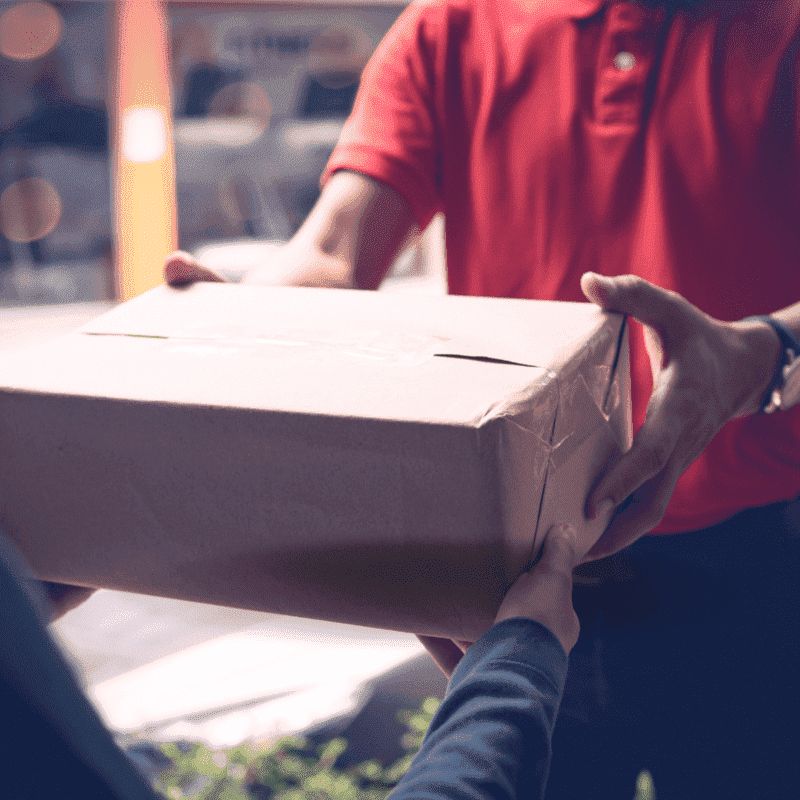
Italian wine producers are getting a new route to American consumers through a logistics service that promises delivery in 24 hours across most of the United States, a sharp reduction in shipping-related emissions and packaging designed to avoid plastic waste.
The service was launched by Fieramente, an Italian logistics company focused on integrated supply chain services for the wine and beverage trade. The company said it has opened what it describes as the first Italian business-to-consumer fulfillment model for wine in the United States, built around a warehouse in Missouri where bottles from Italian wineries are stored before being shipped to private customers.
The move comes at a difficult time for Italian wine in its largest foreign market. According to Fieramente, the United States accounted for 24% of Italy’s wine exports before tariffs, or nearly €2 billion a year. Since August 2025, U.S. tariffs have been in force on European wines and spirits. Fieramente said that in the 12 months from April 2025 to March 2026, Italian wine exports to the United States fell by more than €340 million, down 17% by value, while volumes dropped to their lowest level in a decade. It also said U.S. wine consumption fell by 6.6% in 2025 and that wineries cut price lists by 9% to absorb tariff costs and remain competitive.
Against that backdrop, the company is pitching logistics as a commercial tool rather than just a transport function. Instead of shipping each order from Italy after a sale is made, wineries send part of their stock in advance to the Missouri hub. Once the wine is already on U.S. soil, orders can be dispatched directly to consumers without waiting for transatlantic transit or customs clearance on each shipment.
For American buyers, that could mean receiving a bottle within a day instead of waiting about a month, which Fieramente said is common with traditional direct shipments from Italy. The company argues that faster delivery could help wineries sell more effectively through direct-to-consumer channels, especially when customers discover wines during visits to estates and want bottles sent later for personal use or special occasions.
The project has already started with some Italian wineries, and Fieramente said it now plans to expand the network to other producers interested in selling this way. The company said participation begins with a tailored consultation covering timing, operating procedures and logistics terms. It added that there is no minimum or maximum number of bottles required for orders placed through the system.
Fieramente was founded in 2015 from an idea by Alessio Piccardi and now operates as one of the main partners in the Mail Boxes Etc. network, according to the company. It manages eight owned service centers across Tuscany, Veneto, France, Spain, Portugal and the United States, and reports annual revenue of more than €14 million.
The environmental claim is central to the sales pitch. Fieramente said that moving inventory by sea before final domestic delivery can cut carbon dioxide emissions by more than 90% per unit transported compared with repeated long-distance air or parcel shipments from Europe. That figure was presented by the company as part of its argument that large-scale export logistics can be made both faster and less carbon-intensive if stock is positioned closer to end buyers.
The company also said it uses only certified eco-packaging made from cellulose pulp, which it described as natural, biodegradable and durable. The material is intended to replace polystyrene and other petroleum-based packaging often used for fragile bottle shipments. That matters for beverage companies because packaging costs and disposal rules are becoming a larger part of doing business in North America, particularly in states where environmental regulations have made polystyrene disposal more expensive. If the model works as advertised, it could offer wineries and other drinks producers a way to improve delivery speed while lowering some compliance and waste-management costs.
Fieramente said it created an internal research and development center focused on logistics solutions for modern market conditions and framed the U.S. rollout as part of that effort. The company says the goal is not only to move products but also to improve how they are positioned globally at a time when producers face weaker demand, currency pressure and trade barriers.
For Italian wineries trying to hold ground in the United States, the appeal is straightforward: keep inventory closer to customers, shorten delivery times dramatically and try to remove some of the friction that has long made cross-border direct sales slow and cumbersome. Whether that will be enough to offset softer consumption and tariff pressure remains unclear, but the launch shows how logistics providers are trying to reshape access to imported wine in one of the world’s most important beverage markets.
