India Seeks Lower U.S. Tariffs Before It Signs an Interim Trade Deal
New Delhi wants competitive rates and protection from future U.S. duties as talks resume over market access, including wine and spirits.
Monday, June 8, 2026
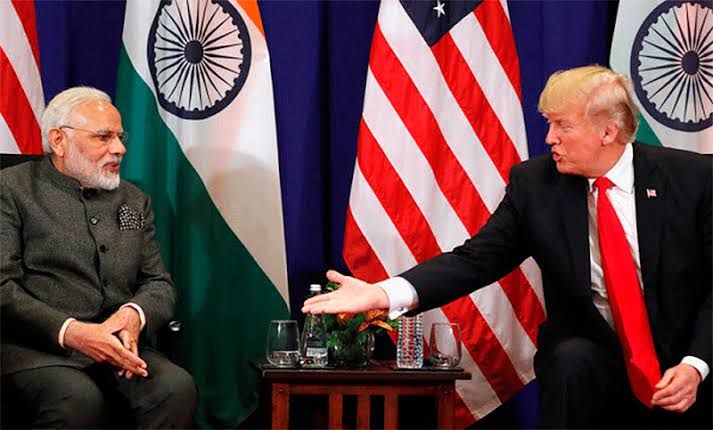
India is seeking lower U.S. tariffs as a condition for closing an interim trade deal with Washington, according to an Indian trade official, a step that could shape market access for products including wine and spirits if the talks move ahead in the coming weeks.
The official said Monday that New Delhi wants preferential tariff treatment from the United States before it signs off on the agreement. The request comes as both sides try to revive negotiations that had advanced earlier this year but then slowed after a major shift in the U.S. tariff landscape.
According to the official, India is waiting for clarity on a proposed new U.S. tariff before finalizing the deal. Washington has proposed an additional 12.5% tariff on imports from India and other countries over what it says are concerns tied to forced labor. The United States is also considering a separate tariff aimed at India on the grounds that it has excess capacity in sectors such as textiles and is exporting too much to the U.S. market, harming domestic industry.
“Once we have that tariff, we can finalise a trade deal with the U.S. But obviously the rate has to be competitive with direct competitors,” the Indian trade official told reporters, speaking on condition of anonymity because the negotiations are confidential.
The same official said India also wants assurances that it would not face further U.S. tariffs after a deal is signed. That point is central for exporters and importers trying to plan prices, contracts and supply chains, especially in categories where tariff changes can quickly alter retail costs and margins.
The talks matter for beverage companies because the negotiating framework includes tariff adjustments affecting wine and spirits, according to the monitoring summary tied to the Reuters report. Any change in duties could affect short-term import and export flows between the two countries and influence pricing decisions across distributors, retailers and hospitality operators.
India and the United States reached an initial understanding on a trade deal in February. But progress slowed after President Donald Trump’s broad tariff measures were struck down by the U.S. Supreme Court, forcing both governments to reassess parts of the negotiation.
Talks picked up again last week when a U.S. delegation led by Brendan Lynch, the assistant U.S. trade representative for South and Central Asia, held three days of meetings with Indian trade officials in New Delhi. The renewed discussions signaled that both sides still want an early agreement even as unresolved tariff questions remain.
Last week, India’s trade minister, Piyush Goyal, said the two countries were moving quickly toward completing the first tranche of a bilateral trade agreement and that it could be concluded by mid-July.
India’s trade ministry did not immediately respond to a request for comment on Monday.
For producers and traders in spirits, the timing is important because tariff policy can directly affect landed costs and competitiveness. If duties are lowered or capped under an interim arrangement, imported products could gain better access and more predictable pricing. If new tariffs are imposed or left unresolved, companies may face higher costs and greater uncertainty just as they prepare orders for the second half of the year.
The negotiations also come at a time when India remains one of the most closely watched consumer markets for international beverage groups because of its size, rising incomes and long-term growth potential. For U.S. exporters, improved terms could open more room in a market where taxes and regulatory barriers have often limited expansion. For Indian stakeholders, securing competitive treatment relative to other exporting countries is seen as essential before committing to any final text.
What happens next depends largely on Washington’s decision on the pending tariff measures. Until those rates are known, Indian officials appear unwilling to lock in an interim pact without clearer guarantees on future access to the U.S. market and protection against additional trade actions.