














Bordeaux Embraces Lighter Claret Style to Revitalize Wine Industry
New classification aims to attract younger drinkers and adapt to climate change as traditional red wine sales decline.
2026-02-04
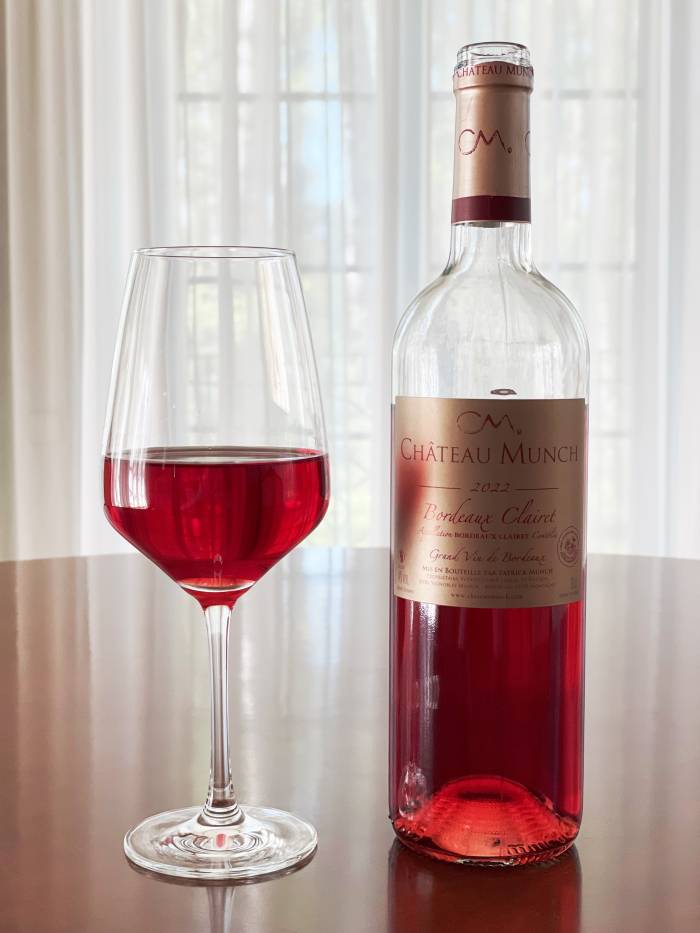
Bordeaux’s wine industry is preparing for a significant change as it officially recognizes a new style of red wine, “Bordeaux Claret,” in response to climate pressures and shifting consumer preferences. The Bordeaux protected designation of origin has validated this historic style, which will be available from the 2025 vintage. The move marks a return to a lighter, less tannic, and lower-alcohol red wine, reminiscent of the claret that was first shipped to Britain in the 12th century.
The decision comes as Bordeaux faces the effects of climate change. Warmer temperatures have led to riper grapes and higher alcohol levels, with 15% now common in some wines. Stéphanie Sinoquet, managing director of the Bordeaux growers’ association, said that while some impacts have been positive—such as more consistent ripeness—producers are also adapting by using heat-resistant grape varieties and changing winemaking techniques. The new claret will be made with shorter maceration times to emphasize freshness over power.
Jean-Raymond Clarenc, director of the Bordeaux branch of Grands Chais de France, described the new classification as a strategic response to environmental changes. He explained that by focusing on balance and elegance rather than strength, Bordeaux can continue to produce quality wines even as the climate warms.
Changing drinking habits are also influencing this shift. In both France and Britain, red wine consumption is falling, while lighter, fruitier wines are gaining popularity. Experts say that younger consumers prefer wines that are easier to drink and more versatile, often served chilled at 8-12°C. Sinoquet noted that these fresher styles are seen as more relaxed and inclusive, appealing to those who want to enjoy wine outside traditional meal settings.
Historically, Bordeaux producers focused on powerful reds that attracted international acclaim and high prices. However, demand has dropped in key markets such as China, and sales in France have declined as consumers turn toward white wines and lighter reds. Tony Laithwaite, founder of the wine retailer Laithwaites, said that Bordeaux’s expensive image no longer fits with current economic realities. He pointed out that vineyards are being abandoned or uprooted due to falling demand.
The introduction of Bordeaux Claret is also seen as a nod to tradition. Jonathan Kleeman, a sommelier and wine consultant, said that the new category recalls an earlier era when Bordeaux wines were lighter and more approachable. He believes younger generations will not be confused by the term “claret,” which is less commonly used today but may appeal to those interested in wine history.
Other traditional styles are also making a comeback in the wine world, such as pétillant naturel (pet-nat) sparkling wines and the use of amphorae for fermentation. These trends reflect a broader interest in authenticity and heritage among today’s wine drinkers.
While Burgundy remains the world’s most expensive wine region, experts do not expect Bordeaux Claret to compete directly with Burgundy’s pinot noir reds. Tom Claxton, a sommelier, said he anticipates claret will be lighter-bodied but more playful or fun rather than aiming for Burgundy’s complexity.
The first bottles of Bordeaux Claret under the new classification will reach consumers with the 2025 vintage. Producers hope this move will help revitalize the region’s image and attract a new generation of wine drinkers seeking lighter styles suited to modern tastes and warmer climates.
