U.S. Supreme Court Delays Ruling on Trump-Era Wine Tariffs
Wine industry braces for continued price hikes and uncertainty as hopes for tariff relief fade
Thursday, January 29, 2026
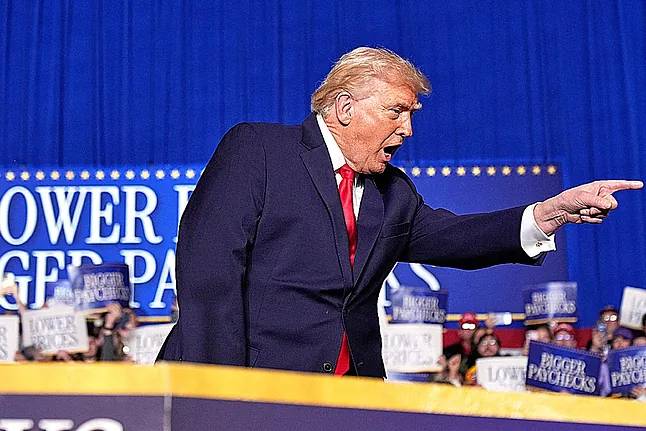
Wine producers and merchants around the world, especially in the European Union and the United States, are closely watching the U.S. Supreme Court as it prepares to rule on the legitimacy of tariffs imposed by former President Donald Trump. The decision, which has been postponed several times, is now expected on February 20, according to CNN. The case began in September 2025 and has since drawn global attention due to its potential impact on international trade.
Many in the wine industry have expressed hope that the Supreme Court might bring relief from tariffs that have been raised, lowered, or threatened repeatedly over recent years. However, some experts are warning against optimism. Mitch Frank, Senior Editor at Wine Spectator, recently published an editorial urging the industry not to expect tariff relief in the near future. He pointed out that while there have been some recent threats—such as a proposed 200% tariff on Champagne following French President Emmanuel Macron’s refusal to join a U.S.-led “Board for Gaza,” and increased tariffs on certain European countries’ goods including wine, which currently face a 15% tariff due to disputes like the Greenland affair—these measures are unlikely to be reversed soon.
Frank’s concerns echo those of several Italian wine entrepreneurs who have noted that American wine consumers have not yet fully felt the effects of ongoing trade wars. During the World Economic Forum in Davos, Amazon CEO Andy Jassy told CNBC that prices for many products on Amazon’s platform are rising because of U.S. tariffs. Last summer, Amazon officials claimed that American consumers were not paying more due to tariffs, arguing instead that sellers were absorbing these costs. Jassy now says this is changing, with some sellers passing higher costs onto consumers while others try to absorb them or find a middle ground.
The same trend is emerging in the wine sector. Until now, producers and importers have worked together to absorb at least part of the tariff costs, aware that raising prices during a period of declining consumption would be risky. This was possible thanks in part to large inventories built up between late 2024 and early 2025. Now, however, hopes for a complete removal of tariffs appear slim. Without such relief, further price increases seem unavoidable for both high-end wines and American wines that rely on imported materials like corks and bottles.
The uncertainty surrounding tariffs is creating instability for businesses and consumers alike. Industry leaders say this lack of clarity makes it difficult to plan for the future or invest confidently in growth. As long as these trade disputes continue without resolution, both wine sales and broader consumer spending are likely to remain under pressure.