Wine Tourists in Spain Embrace Solar Panels in Vineyards, Survey Finds
Study in Murcia reveals 94% support for agrivoltaic systems, highlighting strong acceptance of renewable energy integration with wine tourism.
Friday, February 13, 2026
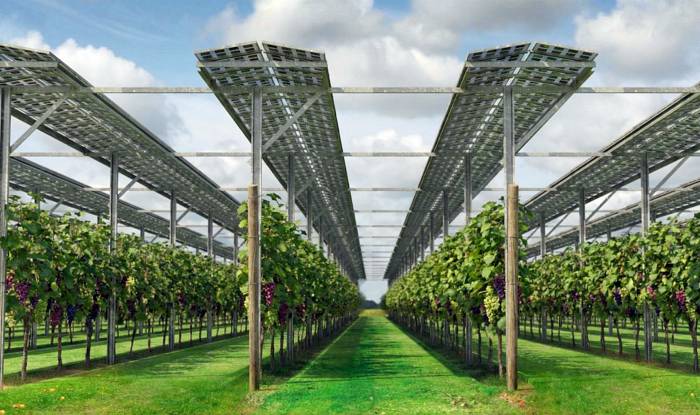
Researchers in Spain have found strong support among wine tourists for the integration of solar panels into vineyards, according to a recent survey conducted in the Murcia region. The study, which involved 238 participants, focused on the social acceptance of agrivoltaic systems—installations that combine agricultural production with solar energy generation—specifically within trellis-based vineyards.
The survey was carried out in Murcia, a region known for its extensive viticulture. Murcia’s vineyards cover 20,918 hectares and produce over 64,000 tonnes of grapes each year. The local wine industry generates about €157 million ($186.3 million) in export revenue annually. Researchers designed the study to assess how visitors to these vineyards perceive the visual and practical impact of integrating solar panels into the landscape.
Participants were invited to guided tours of pilot agrivoltaic installations, where they learned about the technology and its potential benefits and drawbacks. Afterward, they completed an anonymous questionnaire developed by researchers from the Technical University of Cartagena and Miguel Hernández University of Elche. The survey was approved by the Experimental Research Ethics Committee at Miguel Hernández University, ensuring compliance with ethical standards.
The study examined four different low-height, vertically integrated agrivoltaic configurations, with panel heights ranging from 1.8 meters to 2.4 meters. These designs were chosen to minimize visual disruption and maintain compatibility with traditional vineyard practices.
Results showed that 94% of respondents supported the integration of solar panels within vineyard trellises. Most participants did not see any conflict between the presence of solar modules and the traditional wine-growing landscape. The survey also found no significant differences in acceptance based on age, income, or place of residence. However, there were notable differences related to gender, educational level, and environmental awareness.
Respondents expressed a strong belief in the importance of generating photovoltaic energy on agricultural land. A clear majority favored combining energy production with agriculture on the same plot, indicating broad acceptance of agrivoltaics as a dual-use land model. Many participants also indicated a willingness to pay more for wine certified as sustainably produced.
Lead author Javier Padilla Martínez explained that while the findings are most relevant for vineyards using trellis-integrated systems, similar attitudes could be expected in other crops where stakeholders are sensitive to changes in landscape appearance. He noted that low-height solutions are particularly well received compared to higher structures.
The research team published their findings in Renewable Energy Focus under the title “Assessing the social perception of agrivoltaic systems in vineyards. A case study of an integrated trellis-based configuration in South-eastern Spain.” The results suggest that agrivoltaic systems could be widely accepted by both producers and visitors in regions where wine tourism is important and landscape preservation is a priority.
The study comes at a time when interest in dual-use land models is growing across Europe as part of broader efforts to increase renewable energy capacity without reducing agricultural output. Experts will discuss current challenges and opportunities for agrivoltaics at upcoming industry events, including sessions focused on design choices and regulatory barriers specific to different regions.
As climate change pressures mount and demand for sustainable practices increases, integrating solar panels into vineyards may offer a way forward that balances energy needs with agricultural tradition and tourism interests. The positive response from wine tourists in Murcia suggests that such innovations can be compatible with both economic development and landscape conservation goals.