European Union Debates Stricter Rules for Official Organic Labeling
Proposed changes could tighten use of “organic” terms and logo while extending trade deals with non-EU countries for ten years
Monday, January 26, 2026
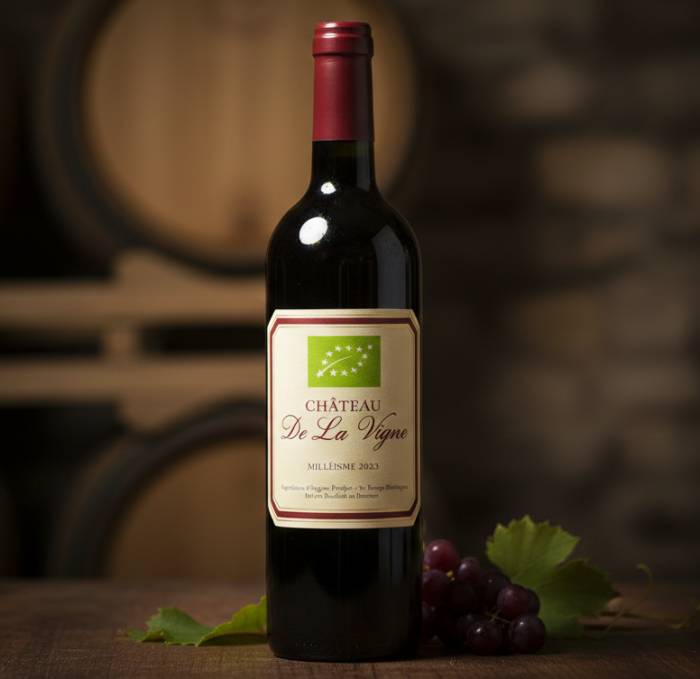
The European Union began discussions on Monday about updating the legal framework for organic production, focusing on stricter rules for the use of its official organic logo. The debate took place during the first Agriculture Ministers’ Council under the Cypriot presidency, with the main topic being proposed changes to Regulation 2018/848, which governs organic production and labeling in the EU. This regulation has been in effect since January 2022.
On December 16, the European Commission presented a proposal to simplify current rules and ensure fair competition between products that meet EU standards and those imported under equivalent standards. The proposal also aims to adjust requirements for small producers who want to join groups of operators, making it easier for them to participate in the organic sector. According to Commission estimates, these changes could save producers, operators, and administrations €47.8 million in administrative costs.
A key part of the debate centers on the use of terms such as “organic,” “biological,” and “ecological,” as well as the use of the EU’s “Euroleaf” logo. The Commission wants to reserve these terms and the logo exclusively for products that comply with EU regulations. This move follows a legal case involving the German company Herbaria, which led to questions about the legal basis for recognizing equivalence between EU organic standards and those of third countries.
To address concerns about potential disruptions in international trade of organic food and beverages, the Commission is proposing a ten-year extension for equivalence agreements with eleven non-EU countries. These agreements were set to expire at the end of 2026. Under these arrangements, products from both sides are recognized as organic according to their respective national systems.
The ongoing debate reflects growing demand for clarity and consistency in how organic products are defined and labeled within the EU market. It also highlights tensions between supporting domestic producers and maintaining open trade with countries whose standards may differ from those of the EU. The outcome of these discussions will affect not only European farmers and food companies but also international partners who export organic goods to Europe.
The Commission’s proposals are expected to undergo further discussion among member states before any final decisions are made. The process will likely continue over several months as stakeholders seek a balance between simplifying rules, protecting consumers, and supporting international trade in organic products.