Rare January Freeze Revives Croatia’s Ice Wine Harvest After Years of Warmer Winters
Winemakers seize fleeting cold to produce exclusive vintages as climate change makes traditional ice wine increasingly scarce and valuable.
Friday, January 23, 2026
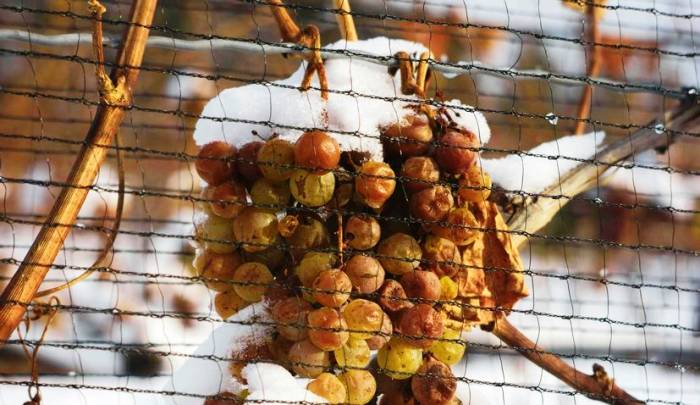
A rare cold snap in January has brought back the tradition of ice wine harvests to Croatia, a practice that has become increasingly uncommon due to rising temperatures. Winemakers across the country took advantage of the deep freeze, which allowed them to pick and press grapes while still frozen—a requirement for producing this highly prized and labor-intensive style of wine.
Ice wine is known for its intense sweetness and thick, syrupy texture, resulting from the high concentration of sugars in the frozen grapes. The process yields only small quantities, making each vintage valuable and sought after. In Croatia, ice wine harvests now occur only about once every five years or more, as climate change has made the necessary conditions rare.
At Kutjevo, one of Croatia’s most established wineries, workers completed their ice wine harvest during the first part of January. Chief oenologist Ivan Marinclin said that about 30 workers picked frozen grapes from 0.8 hectares at the Hrnjevac vineyard between 7am and 9am. The harvest produced 850 liters of must, which will ferment slowly for up to a year. The finished wine is expected to have an alcohol content between 9% and 13%. Marinclin noted that Kutjevo used to produce ice wine annually but now depends entirely on favorable weather. Their last ice wine was made in 2018 and currently sells for €87 per 0.375-liter bottle. This year’s vintage could reach €100 per bottle when released.
The cold weather also enabled a successful ice harvest at Principovac near Ilok, in Croatia’s easternmost vineyards. Temperatures dropped to –9°C, allowing around 30 pickers to gather 1,400 kilograms of grapes. This yielded about 700 liters of must, which will eventually become roughly 500 liters of finished ice wine. Ivana Raguž, chief oenologist at Iločki podrumi, described the harvest as challenging due to both the extreme cold and the need to remove protective netting from traminer vines. The winery’s previous ice harvest was three years ago. After fermentation and barrel aging, this year’s wine is expected to reach the market in about two years at a price close to €100 per bottle.
Smaller producers also joined in. Mladen Papak, owner of Vina Papak in Ilok, led a team of 15 workers who spent three hours harvesting grapes at –8°C across half a hectare. Papak said picking was straightforward since there were no leaves on the vines and pressing occurred while the grapes were still frozen. This was his third ice harvest in about five years; previous efforts focused on traminer grapes, but this year he used graševina. The yield was just 300 liters of must—only about 5% to 10% of what a normal harvest would produce. Papak sells his ice wine for €55 per bottle and sees it as a mark of distinction for small wineries rather than a major source of profit.
Not all winemakers are enthusiastic about the practice. Vlado Krauthaker, a veteran in the industry, joked that he does not recognize ice harvesting as real winemaking and suggested it is more suited for large companies that miss their regular harvest window.
Despite differing opinions within the industry, this year’s cold spell has allowed Croatian winemakers to revive a tradition that is becoming increasingly rare. The resulting wines are expected to be among the most exclusive on the market, with strong demand from both local consumers and top restaurants. For many producers, these limited releases serve not only as a business opportunity but also as a way to showcase their skills and preserve a unique aspect of Croatian winemaking heritage.