DNA Analysis Reveals Turkish Kolorko Grape Is Genetically Identical to Hungary’s Furmint
Breakthrough links centuries-old grape varieties and uncovers a shared winemaking heritage between Turkey and Hungary
2026-02-09
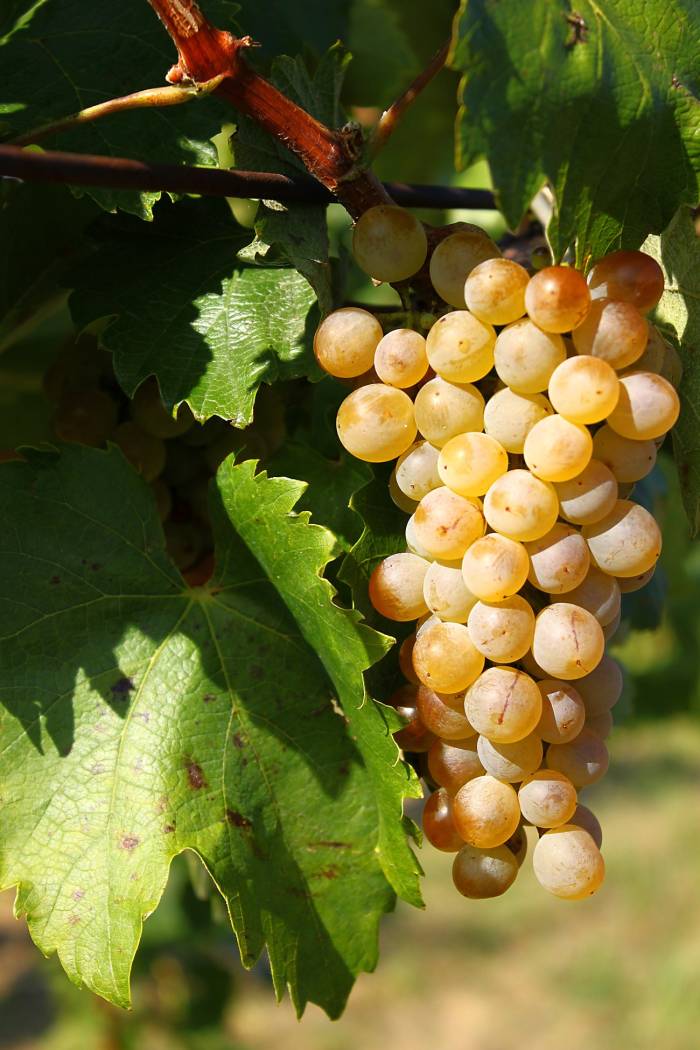
A recent scientific breakthrough has revealed that the Turkish grape variety Kolorko is genetically identical to Furmint, the well-known white grape from Hungary’s Tokaj region. The discovery was announced by Dr. José Vouillamoz, a Swiss grape geneticist, during the Wine Paris event. Dr. Vouillamoz made the identification after conducting DNA profiling on Kolorko samples provided by Seyit Karagözoğlu of Paşaeli Winery in Turkey. The results were confirmed through repeated testing, leaving no doubt about the genetic match between Kolorko and Furmint.
Kolorko is grown in the Thrace region of Turkey, specifically between Şarköy and Tekirdağ, an area influenced by the Sea of Marmara’s maritime climate. Furmint, on the other hand, is most famous for its role in producing Tokaji Aszú, Hungary’s historic sweet wine. The connection between these two grapes raises questions about how Furmint could have traveled from Hungary to Turkey.
Historians and wine experts point to events in the early 18th century as a likely explanation. After his defeat by the Habsburgs in 1708, Prince Francis II Rákóczi, a leader of Hungarian resistance, went into exile. He eventually settled in Tekirdağ, then known as Rodosto, in the Ottoman Empire. He was accompanied by many Hungarian nobles. While there are no written records confirming that vine cuttings were brought along, this period of migration provides a plausible context for Furmint’s introduction to Ottoman Thrace.
Over time, Kolorko nearly vanished from Turkish vineyards. However, Paşaeli Winery began efforts to conserve the grape about 20 years ago. Since 2009, they have produced a varietal wine from Kolorko, helping to rescue it from extinction. This work made it possible for Dr. Vouillamoz to obtain samples for DNA analysis.
Dr. Vouillamoz emphasized that this discovery highlights wine’s deep ties to European history. He noted that while Kolorko and Furmint are genetically identical, their wines reflect different stories shaped by local climate and culture over centuries.
István Szepsy Jr., a prominent Furmint producer in Tokaj, expressed excitement about the findings. He said that identifying Kolorko as Furmint demonstrates how modern genetics can reconnect forgotten chapters of viticultural history and link Hungary and Turkey through a shared grape heritage that spans more than 300 years.
The news has sparked interest among wine professionals and enthusiasts who are now considering comparative tastings of Kolorko and Furmint wines to explore how geography and tradition have influenced their development.
This discovery not only changes the understanding of these two grape varieties but also adds a new dimension to the history of winemaking in both Hungary and Turkey. It underscores how scientific advances can shed light on longstanding mysteries in viticulture and bring together regions with shared but previously unrecognized histories.

Founded in 2007, Vinetur® is a registered trademark of VGSC S.L. with a long history in the wine industry.
VGSC, S.L. with VAT number B70255591 is a spanish company legally registered in the Commercial Register of the city of Santiago de Compostela, with registration number: Bulletin 181, Reference 356049 in Volume 13, Page 107, Section 6, Sheet 45028, Entry 2.
Email: [email protected]
Headquarters and offices located in Vilagarcia de Arousa, Spain.