European Wines Set to Drop in Price as Mercosur-EU Trade Deal Nears Implementation
Tariff cuts expected in 2026 could reshape Brazil’s wine market, challenging local producers and expanding consumer choices
Thursday, February 12, 2026
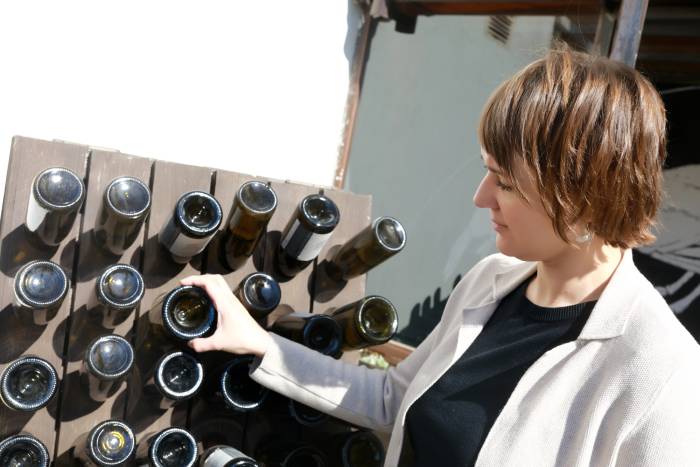
European wines could soon become more affordable for Brazilian consumers as the Mercosur-European Union trade agreement moves closer to implementation. The agreement, which has been under negotiation for 26 years, is set to eliminate tariffs on more than 5,000 products starting in June 2026. This change is expected to impact a wide range of goods, including food and beverages, with wine being one of the most notable examples.
The deal aims to gradually remove import and export tariffs over a period of up to 30 years. For many products, including European wines, tariffs could be reduced to zero much sooner. The agreement also includes new mechanisms for economic rebalancing and bilateral safeguards to protect both sides during the transition.
Brazil’s wine industry has recently shown signs of recovery. According to the International Organization of Vine and Wine (OIV), Brazil produced about 2.9 million hectoliters of wine in the last year. This figure represents a 38% increase compared to the small harvest of 2024 and is 15% above the average of the past five years. The growth came despite challenging weather conditions, including a hot summer and repeated heat waves that led to early ripening and some reduction in yields.
The arrival of more competitively priced European wines could reshape the Brazilian market. European producers benefit from large-scale operations and longstanding government subsidies, allowing them to offer high-quality wines at lower costs. With tariffs removed or reduced, these wines are likely to become more accessible to Brazilian consumers, who currently pay a premium for imported bottles.
Juliana Ianhz, an economist at Insper, says that lower prices are not the only benefit. The agreement could also open new markets for Brazilian exporters and provide greater predictability for businesses by removing tariff uncertainties. She notes that this environment may encourage investment in agriculture and food industries.
However, there are concerns about increased competition for local producers, especially smaller wineries that rely on tariff protections to remain competitive. Many Brazilian consumers choose domestic wines because they are more affordable than imports. If European wines become cheaper, local producers may face pressure to improve quality or differentiate their products.
Yanna Vaz, who runs a winery in Morro de Chapéu in Bahia’s Chapada Diamantina region, sees both challenges and opportunities ahead. Her family’s vineyard grows seven varieties of grapes at an altitude of 1,200 meters and has helped establish the area as a destination for wine tourism. Vaz believes that while competition will intensify, especially given Europe’s scale and tradition in winemaking, Brazilian producers can succeed by focusing on quality and regional identity.
Vaz points out that her region now has four wineries open for visitors: Santa Maria, Sertânia, Reconvexo, and Vaz itself. She argues that enotourism—wine-focused tourism—can help small producers stand out by offering unique experiences tied to local culture and artisanal production methods.
Experts agree that the most vulnerable producers will be those who compete solely on price. Juliana Ianhz suggests that wineries investing in quality and value-added products may find new opportunities as tariffs fall. She expects structural changes in the industry as producers adapt to increased competition from Europe.
The first effects of the agreement are expected from the second half of 2026 as tariff reductions begin to take effect. While some fear that national wine production could decline under pressure from imports, specialists believe that wineries emphasizing quality, regional identity, and tourism will continue to have a place in the market.
Other sectors likely to benefit from lower tariffs include fine cheeses, olive oils, and various European consumer goods. As trade barriers come down, both consumers and businesses in Brazil may see significant changes in pricing and product availability across multiple categories.