German Wine Advertising Lags Behind as Industry Spends Just 14 Million Euros Amid Fierce Competition
New campaign backed by state and regional funds aims to boost German wine’s profile beyond traditional markets
2026-01-19
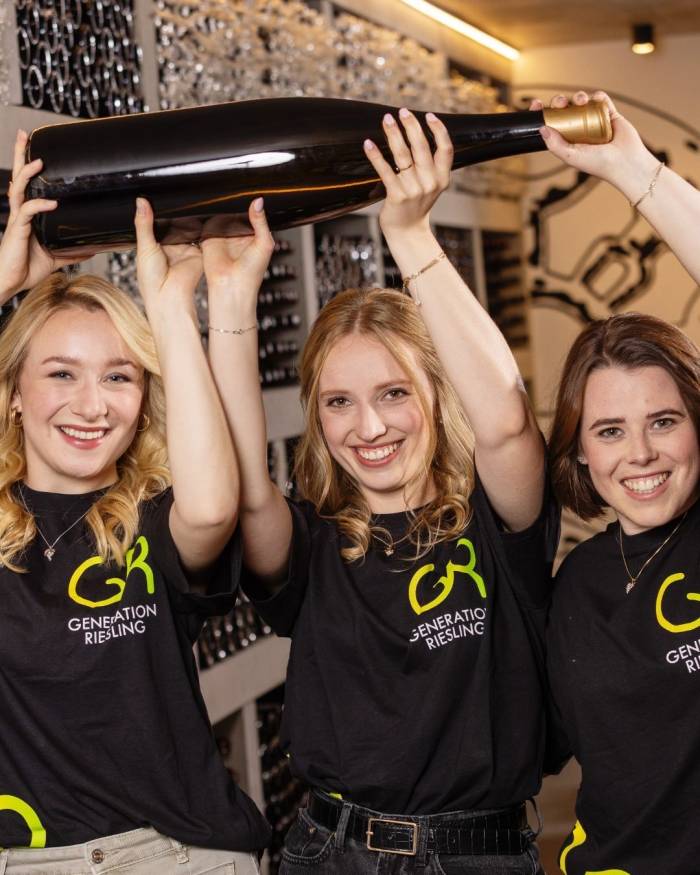
The German Wine Institute (DWI) has announced a new communications campaign aimed at improving the image and sales of German wines. The initiative comes as wine producers face a challenging market environment, with increased competition and changing consumer habits. Financial support for the campaign will come from several sources, including the state of Rhineland-Palatinate and the wine-growing regions of Rheinhessen, Pfalz, and Mosel.
Daniela Schmitt, the Minister of Viticulture for Rhineland-Palatinate, made the announcement during the Green Week event in Berlin. She stated that a total of one million euros will be made available to the wine sector specifically for advertising purposes. This funding is in addition to another one million euros previously pledged by Germany’s Federal Ministry of Agriculture last year.
The planned campaign will use a 360-degree approach, combining social media activities with live events and point-of-sale promotions. Organizers intend to launch the campaign in the second quarter of 2026. The main target audience will be consumers outside traditional wine-growing areas, aiming to broaden the appeal of German wines across the country.
The effectiveness of this new advertising effort remains uncertain, especially given the high level of advertising activity across the entire beverage industry. According to data published by the German Spirits Association (BSI) in its report “Data from the Alcohol Industry,” total spending on wine advertising in Germany reached 14 million euros in 2024. An additional 40 million euros was spent on sparkling wine advertising. In comparison, total advertising expenditures for all alcoholic beverages amounted to 465 million euros last year, with beer accounting for the largest share at 272 million euros.
Industry observers note that while targeted campaigns can help raise awareness and potentially boost sales, they face stiff competition from larger segments such as beer and spirits, which have much higher advertising budgets. The DWI and its partners hope that by focusing on modern communication channels and engaging events, they can make German wines more visible and attractive to a wider range of consumers.
The campaign’s launch later this year will be closely watched by both producers and retailers, who are looking for ways to navigate a difficult market landscape. The success of this initiative could influence future strategies for promoting regional products in Germany’s competitive beverage sector.

Founded in 2007, Vinetur® is a registered trademark of VGSC S.L. with a long history in the wine industry.
VGSC, S.L. with VAT number B70255591 is a spanish company legally registered in the Commercial Register of the city of Santiago de Compostela, with registration number: Bulletin 181, Reference 356049 in Volume 13, Page 107, Section 6, Sheet 45028, Entry 2.
Email: [email protected]
Headquarters and offices located in Vilagarcia de Arousa, Spain.