Napa Tasting Room Orders Drop 24% as Visitor Decline Pressures Wine Country’s Luxury Image
Wineries weigh fee reductions and new experiences to attract customers amid sharp fall in foreign tourism and sales
2026-01-16
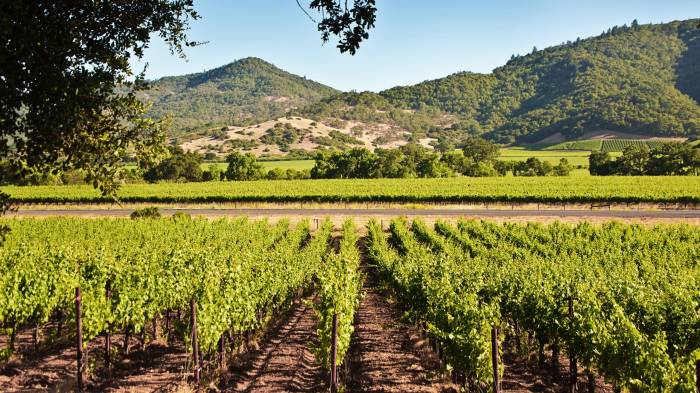
Napa Valley, long known for its luxury wine experiences and high-end tourism, is facing a new challenge as visitor numbers decline and economic pressures mount. The region, famous for its exclusive tasting rooms and premium wines, is now considering whether to lower prices in an effort to attract more customers, even if it risks its reputation for exclusivity.
Recent data from Tourism Economics shows a significant drop in foreign visitors to the United States, with travelers from Germany, France, and Canada down by 12 percent, 7 percent, and 26 percent respectively. This decline has led to 11 million fewer hotel rooms occupied nationwide and billions of dollars in lost revenue for small businesses, including Napa’s wineries. The situation is compounded by ongoing tariffs, economic uncertainty, and a general decrease in wine sales across the country.
Tasting room sales have suffered as a result. According to the 2025 WineBusiness Monthly Tasting Room Survey, regions east of the Rockies have seen a 20 percent drop in tasting room sales. In Napa, the median order value at tasting rooms remains the highest in the country at $266, but that figure has fallen by $83 since 2023—a decrease of nearly 24 percent. Direct-to-consumer (DTC) sales are crucial for many wineries’ bottom lines; BMO’s recent Wine Market Report notes that premium producers rely on DTC sales for about 80 percent of their revenue.
In response to these challenges, Napa wineries are taking different approaches. Some have closed their tasting rooms entirely—Silver Oak, Newton Vineyard, and Turley among them—while others are experimenting with price reductions or holding firm on their fees. Many are also expanding their offerings beyond wine to include food pairings, educational programs, and entertainment.
The cost of wine tastings has risen sharply over the past decade. Silicon Valley Bank’s annual DTC Report shows that average tasting room fees in the U.S. have increased from $13.81 in 2014 to $41.82 in 2024. Reserve tastings have jumped from $26.46 to $76.13 over the same period. In Napa specifically, regular tastings average $75 and reserve tastings reach $138.
Tom Wark, a veteran wine consultant and publicist, believes that high fees are keeping visitors away from wine country. He suggests that a coordinated effort to lower fees could help bring more people back without damaging the region’s image. “A concerted, well-publicized, region-wide lowering of fees is what will bring more visitors to a region’s wineries,” Wark says.
Some wineries are already testing this approach. The PlumpJack Collection of Wineries in Napa is offering complimentary current-release tastings at several locations on select days and times. They also provide a $40 Estate Tasting Experience featuring flagship Cabernet Sauvignons during slower periods. John Conover, managing partner at PlumpJack Collection, says the goal is to make wine more accessible while maintaining its aspirational appeal.
Jackson Family Wines is also working to attract new customers by offering complimentary tastings at Kendall-Jackson and La Crema in Sonoma during off-peak hours and seasons. Kristen Reitzell, senior vice president of marketing and communications at Jackson Family Wines, says these promotions are designed to give budding wine enthusiasts a chance to explore without a significant financial commitment.
Not all wineries agree with lowering prices. Georg Salzner, president of Castello di Amorosa, argues that Napa should maintain its luxury status and high fees. “Napa Valley is the ‘Aspen of wine.’ We offer a world-class density of premier wineries, Michelin-starred restaurants and luxury hotels,” Salzner says. He believes that lowering fees would send the wrong message and risk cheapening Napa’s brand.
Remi Cohen, CEO of Domaine Carneros, takes a more measured approach by maintaining reasonable fees while offering guests options to upgrade their experience with premium pairings or exclusive events.
Rob McMillan of Silicon Valley Bank suggests that while lowering fees across the board may not be sustainable for true luxury brands targeting wealthy consumers, experimenting with reduced fees during slow periods could help attract middle-class visitors who might otherwise stay away.
Other regions are finding success by focusing on unique experiences rather than just price cuts. Valdemar Estates Winery in Walla Walla has turned Sundays—once their slowest day—into their busiest by hosting paella parties that highlight their Spanish heritage. Starfield Vineyards and Winery in the Sierra Foothills has increased visitorship by emphasizing its natural setting and offering affordable tasting options.
As Napa Valley navigates these changes, one thing is clear: simply offering great wines may no longer be enough to draw visitors in today’s market. Whether through price adjustments or enhanced experiences, wineries are searching for ways to adapt without losing what makes them special.

Founded in 2007, Vinetur® is a registered trademark of VGSC S.L. with a long history in the wine industry.
VGSC, S.L. with VAT number B70255591 is a spanish company legally registered in the Commercial Register of the city of Santiago de Compostela, with registration number: Bulletin 181, Reference 356049 in Volume 13, Page 107, Section 6, Sheet 45028, Entry 2.
Email: [email protected]
Headquarters and offices located in Vilagarcia de Arousa, Spain.