European Wine Exports Drop 4% in 2025 as U.S. Tariffs Hit Shipments
Agri-food sector posts record monthly exports despite wine and spirits downturn, with UK demand offsetting U.S. market decline
2026-01-14
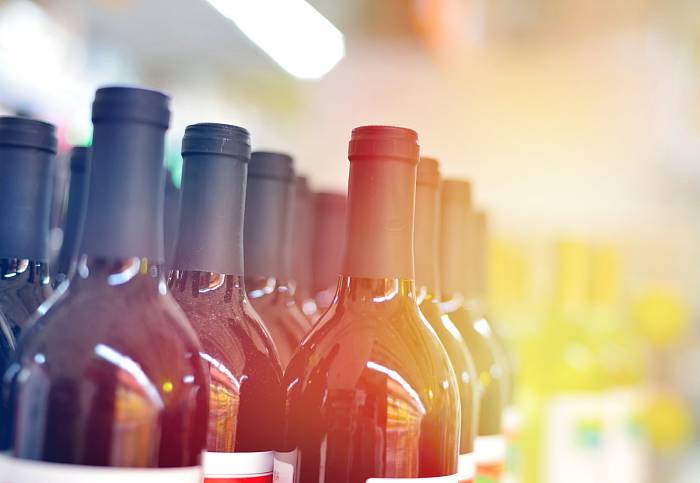
European wine exports fell in the first ten months of 2025, reaching 13.78 billion euros, a decrease of 4% compared to the same period in 2024. The decline, amounting to 604 million euros, is mainly attributed to lower shipments to the United States. This data comes from the latest “Monitoring EU Agri-Food Trade” report published by the European Commission, which covers trade up to October 2025.
The report highlights that U.S. tariffs have played a significant role in reducing demand for European wines. The United States remains a key market for European wine producers, but the introduction and continuation of trade barriers have made exports less competitive. The impact has been particularly noticeable since July, when a further drop in wine and spirits exports was recorded.
Spirits and liqueurs also experienced a downturn, with exports totaling 6.9 billion euros from January to October 2025. This represents a 6% decrease, or 444 million euros less than the previous year. Despite these setbacks, wine continues to be an essential part of Europe’s agri-food export sector. It is the third largest category, accounting for about 7% of total agri-food exports, following cereal preparations and dairy products.
While wine and spirits faced challenges, the broader European agri-food sector showed resilience and growth. In October 2025 alone, EU agri-food exports reached a record high of 21.7 billion euros, up 7% from September and 1% higher than October 2024. Cumulatively, from January to October 2025, agri-food exports totaled 199.4 billion euros, marking a 2% increase year-on-year.
The United Kingdom remained the leading destination for EU agri-food products during this period, importing goods worth 46.6 billion euros—a rise of 4%. The UK accounted for 23% of total EU agri-food exports, driven mainly by increased sales of cocoa-based products, chocolate, and dairy items. The United States followed with imports valued at 24.2 billion euros, representing a slight decline of 2%. This drop was influenced not only by reduced wine and spirits shipments but also by falling olive oil prices.
Other significant markets included Switzerland (11 billion euros, up 9%), China (10.6 billion euros, down 7%), and Japan (6.5 billion euros, down 6%). These figures reflect varying demand trends across different regions.
On the import side, the EU brought in agri-food products worth 15.4 billion euros in October—an increase of 4% over September but a decrease of 5% compared to October last year. Cumulative imports for the first ten months reached 157.4 billion euros, up by 11% from the previous year. This rise is largely due to higher import prices for commodities such as cocoa and coffee.
The EU’s agri-food trade surplus grew by 18% month-on-month in October, reaching its highest level in over a year at 6.4 billion euros—19% more than in October 2024. However, for the January-October period as a whole, the cumulative surplus stood at 42 billion euros, which is still down by about 12.5 billion euros compared to the same period last year. The reduction is mainly linked to increased import costs.
The data underscores both the challenges and strengths within Europe’s agri-food sector in a year marked by shifting trade dynamics and economic pressures on key export categories like wine and spirits.

Founded in 2007, Vinetur® is a registered trademark of VGSC S.L. with a long history in the wine industry.
VGSC, S.L. with VAT number B70255591 is a spanish company legally registered in the Commercial Register of the city of Santiago de Compostela, with registration number: Bulletin 181, Reference 356049 in Volume 13, Page 107, Section 6, Sheet 45028, Entry 2.
Email: [email protected]
Headquarters and offices located in Vilagarcia de Arousa, Spain.