EU-Mercosur Trade Pact to Eliminate Up to 35% Wine Tariffs, Opening $500 Million Brazilian Market
Italian wine and manufacturing sectors anticipate export surge as deal grants access to 270 million consumers after 25 years of talks
Monday, January 12, 2026
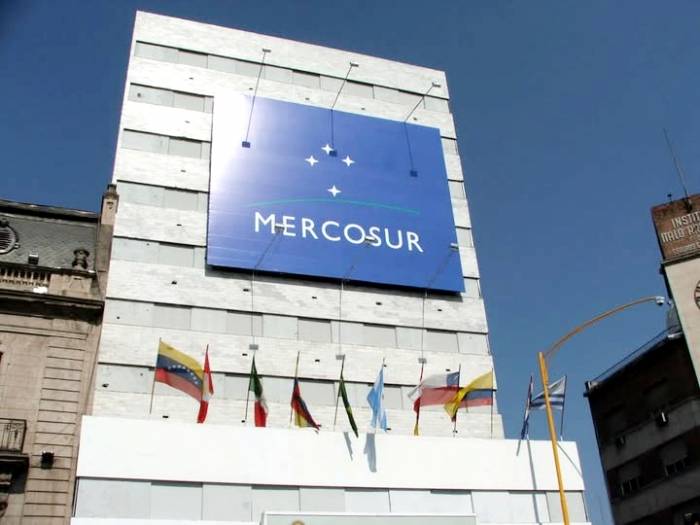
The European Union has given its long-awaited approval to a free trade agreement with Mercosur, the South American bloc that includes Argentina, Brazil, Paraguay, and Uruguay. The decision comes after 25 years of negotiations and is seen as particularly significant for the European and Italian wine sectors. The agreement was supported by several EU countries, including Italy, but faced opposition from others such as France. The final signing of the deal is expected to take place on January 12.
For Italy, and especially for industries with a strong international focus like wine and manufacturing, the agreement could boost exports to a region with a growing economy and a young consumer base. Italian producers see this as an opportunity to reach new markets where demand for high-value products is increasing. Major industry associations in Italy have responded positively to the EU’s approval, though some have expressed reservations.
Lamberto Frescobaldi, president of Unione Italiana Vini (UIV), welcomed the agreement, noting that it could expand commercial opportunities for Italian wine while strengthening controls on goods. He praised the Italian government’s role in securing favorable terms. Frescobaldi pointed out that South America, with over 250 million consumers, has historical and cultural ties to Europe and represents a promising market for European wines. Currently, European wines entering Brazil face import tariffs of up to 27% for still wines and 35% for sparkling wines. These tariffs are set to be gradually eliminated over the next eight years, which could improve competitiveness for European producers. At present, Italian wine accounts for only about 8% of Brazil’s annual wine imports, valued at around 40 million euros out of a total market of nearly 500 million euros.
The manufacturing sector also views the agreement as a positive development. Paola Carron, president of Confindustria Veneto Est, said that access to Mercosur is essential for supporting the resilience of Italian and European industry. She emphasized that Mercosur is not only important for demand but also as a source of critical raw materials needed for digital, energy, and environmental transitions. The deal will open up a market of 270 million consumers and could save EU exporters about 4 billion euros in tariffs each year. Carron noted that while Europe has hesitated on this agreement, other global powers like the United States and China are moving forward with their own trade strategies.
Data from recent years show growing interest from Italian companies in the Mercosur region. Between 2019 and 2024, exports from Veneto’s manufacturing sector to Mercosur countries increased by more than 20%, reaching 743 million euros in 2024. Key export areas include machinery, chemicals, pharmaceuticals, and food products. Exports to all of Latin America from Veneto surpassed 1.3 billion euros during this period. Carron stressed that further growth is possible if businesses receive adequate support and called on EU member states to ratify the agreement quickly.
However, not all reactions have been entirely positive. Raffaele Drei, president of Fedagripesca Confcooperative, acknowledged that the Coreper vote marks an important step toward signing the treaty but voiced concerns about potential risks. He warned that allowing non-EU products that do not meet European standards could threaten agricultural sectors and food safety. Drei appreciated efforts by Italy’s agriculture minister to secure stronger safeguards but remained cautious about the impact on strategic products such as sugar, honey, meat, rice, and corn.
The agreement does offer protections for certain high-quality Italian foods by recognizing 57 geographical indications—including Parmigiano Reggiano, Grana Padano, and Prosciutto di Parma—but some agricultural groups argue that these measures do not go far enough. According to Fedagripesca Confcooperative, the European Commission has shown limited willingness to engage with political leaders and social partners on these issues.
As the final signing approaches, supporters hope the deal will strengthen Europe’s position in global trade while critics continue to call for stronger protections for local agriculture and food standards. The outcome will likely shape trade relations between Europe and South America for years to come.