AI-Powered PhenoTruck Achieves 99% Accuracy in Detecting Vineyard and Orchard Diseases On-Site
German researchers deploy mobile labs with rapid diagnostics to combat climate-driven pests threatening European agriculture and trade.
2026-01-08
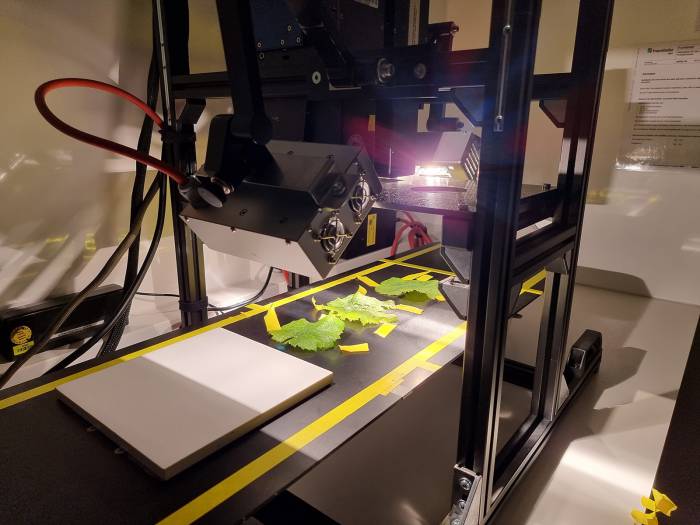
Researchers at the Fraunhofer Institutes in Germany have developed a new mobile laboratory system called PhenoTruck®, designed to quickly identify quarantine pests and plant diseases directly in vineyards and orchards. The project, known as PhenoTruckAI, brings together experts from the Fraunhofer Institute for Factory Operation and Automation (IFF), the Fraunhofer Institute for Biomedical Engineering (IBMT), and the agricultural partner DLR Rheinland-Pfalz. The initiative is funded by the German Federal Ministry for Food and Agriculture and supported by the Federal Office for Agriculture and Food.
The PhenoTruck® was created in response to the growing threat of climate-driven pests that are increasingly affecting fruit farming and viticulture in Germany. As global trade and rising temperatures introduce new pests to the region, traditional inspection methods—often based on visual assessments and laboratory testing—have proven too slow to prevent outbreaks. The new system aims to address this gap by enabling rapid, on-site diagnostics that allow farmers to take action before infestations spread.
The mobile lab integrates several advanced technologies. Drones equipped with multispectral sensors first scan large areas of crops to identify zones that may be affected by disease or pests. These areas are then documented using a field assessment app developed as part of the project. Leaves showing symptoms are collected and analyzed inside the PhenoTruck® using hyperspectral cameras, which can detect subtle changes in leaf color that are invisible to the naked eye.
Artificial intelligence models process the imaging data, distinguishing between different types of phytoplasma diseases with high accuracy. According to researchers, detection rates can reach up to 99 percent, even when symptoms are similar across different diseases. This level of precision is important because some diseases require immediate reporting and intervention under European Union regulations.
To confirm suspected cases, molecular biological tests are performed inside the mobile lab. The team uses a rapid LAMP (Loop-mediated Isothermal Amplification) test, which delivers results within about an hour—much faster than conventional PCR tests that require samples to be sent to a laboratory. This combination of AI-supported preselection and on-site molecular confirmation significantly reduces the time needed to identify harmful organisms.
Initial trials have taken place in wine-growing regions in Rhineland-Palatinate, Germany, and in Italy. The focus has been on grapevine diseases such as Flavescence dorée, Palatinate grapevine yellows, and Bois noir, as well as widespread fruit tree diseases like apple proliferation and pear decline. These diseases can cause severe economic losses if not detected early.
The PhenoTruckAI project began in September 2021 and is scheduled to run through September 2025. Researchers hope that their work will lay the groundwork for future advances in plant health monitoring and help protect European agriculture from emerging threats linked to climate change.
The project’s partners believe that mobile diagnostics could become a standard tool for growers facing increasingly complex pest challenges. By providing fast, reliable identification of quarantine pests directly in the field, systems like PhenoTruck® may help reduce crop losses and limit the spread of harmful organisms across borders.

Founded in 2007, Vinetur® is a registered trademark of VGSC S.L. with a long history in the wine industry.
VGSC, S.L. with VAT number B70255591 is a spanish company legally registered in the Commercial Register of the city of Santiago de Compostela, with registration number: Bulletin 181, Reference 356049 in Volume 13, Page 107, Section 6, Sheet 45028, Entry 2.
Email: [email protected]
Headquarters and offices located in Vilagarcia de Arousa, Spain.