Smaller Bottles Drive Nearly All High-End Spirits Growth as Premium Wine Sales Hold Steady
Consumers shift to 375-ml formats and premium categories, prompting distributors to adapt strategies for evolving luxury market demand
2025-12-23
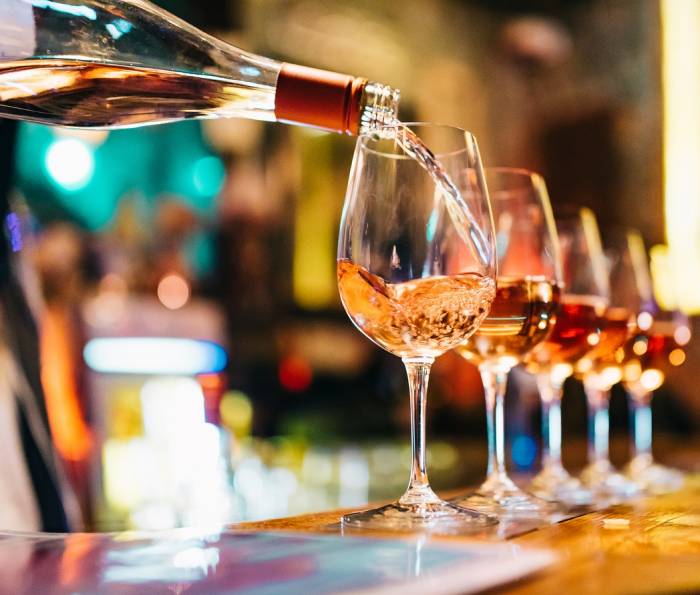
Distributors in the wine and spirits industry are closely monitoring shifts in consumer behavior as 2025 comes to a close. While there has been some movement away from the highest price points, many consumers are moving up from entry-level products into premium categories. This trend is shaping how wholesalers approach the market and plan for the coming year.
Marc Sachs, CEO of Republic National Distributing Co. (RNDC), reports that fine wine remains a strong performer for his company. Despite pressure on the broader category, higher-end wines are holding steady, and in some regions, sales are improving. Sachs attributes this resilience to disciplined execution and strong relationships with both suppliers and customers. Through The Estates Group, RNDC has managed to outperform national trends, deepen partnerships with wineries, and expand into new states.
The situation with upscale spirits is more complex. Sachs notes that the very top of the spirits category has softened as consumers reconsider discretionary spending. However, premium tiers just below the luxury level remain healthy. RNDC is focusing its efforts on supporting brands that continue to resonate with consumers.
At Southern Glazer’s Wine & Spirits, senior vice president of commercial intelligence Zach Poelma observes a clear trend toward smaller bottle sizes at the high end of the market. He says that 375-milliliter bottles have accounted for nearly all recent growth in this segment. According to Poelma, consumers still want to enjoy higher-priced products but are opting for smaller bottles to reduce overall spending. Instead of abandoning a $50 or $60 tequila, for example, they are buying it in a 375-ml or 200-ml format. This pattern is also evident in bars and restaurants.
Kevin Roberts, chief commercial officer at Breakthru Beverage Group, agrees that consumers are purchasing less volume than a year ago but remain interested in premium options. He expects this trend to continue into 2026. Roberts points out that certain spirit brands in the $50-$100 range have shown consistent value gains, indicating that quality remains a priority for buyers even as they cut back on quantity.
Roberts also highlights the importance of unique brand experiences in driving growth at the luxury tier. Private clubs, recreation venues, special events, and lodging are areas where Breakthru sees strong momentum for its luxury portfolio.
Sachs says RNDC will continue to prioritize growth at the higher end of the market. The company renewed major supplier partnerships this year and is using advanced tools such as customer relationship management systems, analytics, and integrated planning to target key accounts more effectively. Both fine wine and premium spirits remain important growth engines for RNDC as it looks ahead to 2026.
Industry leaders agree that while overall volumes may be down compared to previous years, demand for premium and luxury products remains solid among consumers who value quality and unique experiences. Distributors are adapting their strategies to support these preferences as they prepare for another year of change in the wine and spirits market.

Founded in 2007, Vinetur® is a registered trademark of VGSC S.L. with a long history in the wine industry.
VGSC, S.L. with VAT number B70255591 is a spanish company legally registered in the Commercial Register of the city of Santiago de Compostela, with registration number: Bulletin 181, Reference 356049 in Volume 13, Page 107, Section 6, Sheet 45028, Entry 2.
Email: [email protected]
Headquarters and offices located in Vilagarcia de Arousa, Spain.