Okanagan Wineries Use Landscape Imagery in 79% of Online Branding, Study Finds
Visual storytelling links wine to local heritage and family tradition as competition grows among 222 regional producers
Thursday, December 18, 2025
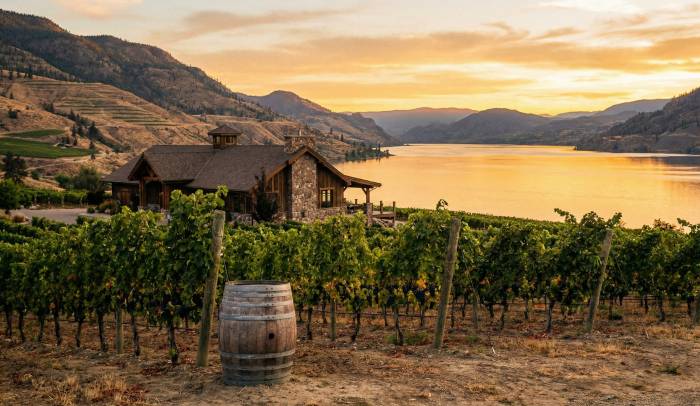
Wineries in British Columbia’s Okanagan Valley are using carefully selected images to shape how consumers perceive their wines, according to a new study from the University of British Columbia’s Okanagan campus. The research, led by Danielle Gallina under the supervision of Dr. Jonathan Cinnamon, analyzed 141 images from the websites of 16 wineries in the region. The study found that nearly all wineries use visual storytelling to connect their products to the local landscape, history, and family heritage.
The Okanagan Valley has seen significant growth in its wine industry over the past three decades, establishing itself as a notable New World wine region. With more than 222 wineries now operating in the area, competition is strong and branding has become increasingly important. The study focused on how wineries use imagery to build a sense of place and authenticity, which are key factors for consumers choosing between wines from different regions.
Gallina’s analysis involved coding each image for references to time—such as the past, present, or future—and for geographic markers like natural scenery or built structures. The results showed that 79 percent of images featured the natural landscape, including vineyards, mountains, and Okanagan Lake. Another 74 percent included built environments such as tasting rooms or winery signage, often shown with views of the valley.
The research identified two main themes in how wineries present themselves online. First, many wineries use images that highlight the region’s collective reputation by referencing its landscape and heritage. This includes historical photographs and depictions of early agricultural work, which suggest a longstanding relationship between people and the land—even though the Okanagan is a relatively young wine region compared to those in Europe.
Second, wineries often create an “authentic” brand identity by emphasizing family and intergenerational stories. Images showing multiple generations working together or referencing family traditions are common. According to Dr. Cinnamon, this approach is typical among New World wineries that want to evoke the tradition and continuity associated with Old World wine regions.
The study also points out that these visual strategies are not accidental. They are designed to meet consumer expectations that wine should be tied to specific places and histories. In today’s digital marketplace, where many customers may never visit a winery in person, website imagery plays a crucial role in shaping perceptions and influencing purchasing decisions.
Dr. Cinnamon notes that understanding how wineries use imagery can have broader implications beyond marketing. It can inform discussions about tourism, land use, heritage preservation, and economic development in the region. He emphasizes that branding is more than just selling a product—it shapes how communities see themselves and how they are seen by others.
The findings appear in GeoJournal under the title “Place, temporality, and wine identity: a visual analysis of winery website imagery in the Okanagan Valley wine region.” The authors acknowledge that their sample represents only a small portion of Okanagan wineries but say the consistency across all 16 studied suggests these strategies are widespread.
As global competition among wine regions intensifies, many producers are turning to place-based branding strategies rooted in terroir, tradition, culture, and heritage. The Okanagan study adds new insight into how these strategies play out visually online and highlights their importance for both industry stakeholders and regional development efforts.