Wine Exporters Face Rising Costs and Complex Logistics Amid Global Transport Crisis
Geopolitical tensions and unstable shipping routes force industry to rethink strategies, with logistics now central to maintaining market presence
Wednesday, December 17, 2025
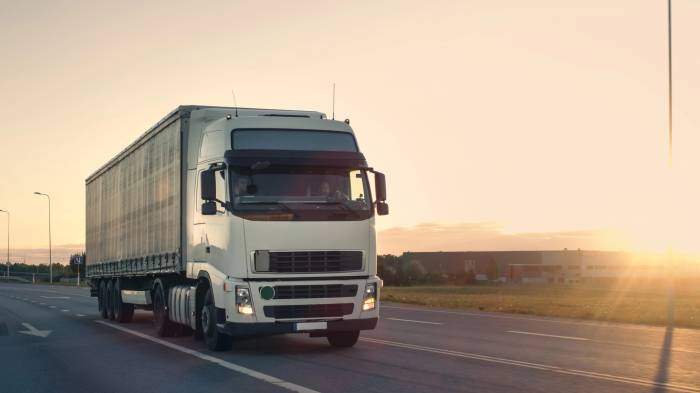
The international transport crisis is having a direct impact on the export dynamics of wine, according to industry professionals. Ongoing conflicts, geopolitical tensions, unstable shipping routes, and rising logistics costs are changing how companies approach foreign markets. Pietro Marchini of Carratelli Wine, a brokerage firm under Carratelli Holding, described the current situation as a turning point for the sector. He explained that the challenges in global transport, driven mainly by wars, terrorism, and political instability, are forcing exporters to rethink their strategies. “It’s no longer enough just to sell,” Marchini said. “You have to ensure the product reaches its destination in good condition and at sustainable costs.”
Carratelli Holding was founded in Florence in 2013 by Gabriele Carratelli and operates in several sectors including wine, real estate, art, interior design, and renovations. The company is managed by Gabriele Carratelli together with his brothers Simone and Marco Carratelli. It has offices in Tuscany, Rome, and Puglia.
Marchini pointed out that the role of the wine broker has become more complex than in the past. In today’s environment, he said, brokers are not just commercial intermediaries but also risk managers for logistics and profit margins. This shift requires operational skills and careful planning throughout the entire distribution chain. Marchini described how his team now spends much of its time studying alternative shipping routes and planning ahead to shield producers from rising costs. He emphasized that logistics has become a strategic factor in export operations.
The difficulties do not end with transport issues. Exporters also face challenges related to tariffs and trade policies in different countries. Marchini noted that the main challenge is ensuring that premium wines reach foreign markets consistently while maintaining their reputation and value. He warned that inefficient logistics or disruptions caused by external events can seriously damage a brand’s standing abroad.
The current situation is pushing companies to adapt quickly. Many are investing in new technologies for tracking shipments or working with specialized partners to navigate complex customs procedures. Others are diversifying their shipping methods or seeking new markets less affected by current disruptions.
Industry observers say these changes could have long-term effects on how wine is exported worldwide. The need for greater flexibility and risk management may lead to new business models and partnerships across the supply chain. For now, companies like Carratelli Wine are focused on finding practical solutions to keep exports moving despite the obstacles.
As global conditions remain uncertain, wine exporters will likely continue to face logistical challenges for the foreseeable future. The ability to adapt quickly and manage risks effectively will be crucial for those looking to maintain their presence in international markets.