Chablis Raises Vineyard Yields by 7% After Hailstorm Destroys Up to 90% of Crops in Key Areas
French wine region updates rules on planting density and harvest limits as climate extremes threaten historic Chardonnay production.
2025-12-10
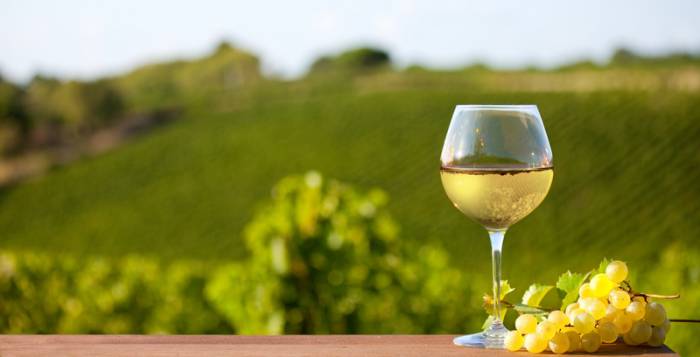
Chablis, the historic French wine region known for its crisp Chardonnay and mineral-driven style, is changing its vineyard regulations in response to ongoing climate challenges. The region, located in northern Burgundy, has faced a series of difficult years marked by unpredictable weather, including frost, hailstorms, heatwaves, and shifting harvest dates. These conditions have put pressure on both grape yields and the traditional character of Chablis wines.
To help growers adapt, authorities have raised the maximum permitted yields for both standard Chablis and the more prestigious Premier Cru vineyards. Standard Chablis producers can now harvest up to 75 hectoliters per hectare, an increase from the previous limit of 70. Premier Cru sites are allowed up to 73 hectoliters per hectare, up from 68. The new limits are intended to give growers more flexibility to compensate for crop losses caused by extreme weather events.
Vineyard planting rules have also been updated. The minimum vine density has been reduced from 8,000 to 5,500 vines per hectare. This change allows for wider spacing between rows, making it easier to work on steep slopes and enabling greater use of mechanized equipment. Many growers had already adopted these practices informally; now they are officially recognized in the region’s regulations.
The changes come after a particularly difficult period for Chablis. In recent years, the region has suffered from a series of damaging weather events. In 2024, a severe hailstorm destroyed between 30% and 90% of crops across about 1,000 hectares—roughly one-sixth of the entire appellation. Some of the most renowned Grand Cru vineyards, including Vaudésir, Moutonne, Preuses, and Vaumur, were among those hardest hit. Villages such as Fontenay-près-Chablis, Villy, and La Chapelle-Vaupelteigne also saw significant losses. Many vines were stripped bare by hailstones, leaving their recovery uncertain.
These losses followed other challenging vintages in 2017, 2022, and 2023. The summer of 2025 brought further difficulties as heatwaves swept through the region. Vineyards with south-east exposure experienced prolonged periods of high temperatures and dryness. This not only reduced yields but also affected grape quality in some areas.
Despite these setbacks, Chablis producers remain committed to preserving the distinctive style that has made their wines famous worldwide. The region’s chalky limestone soils contribute to the unique minerality found in Chablis Chardonnay—a character that growers are determined to protect even as they adapt their methods.
The new regulations reflect a broader trend in European wine regions as they respond to climate change by updating long-standing rules on yields and vineyard management. For Chablis, these changes are seen as necessary steps to ensure that future generations can continue producing wines with the freshness and precision that have defined the region for centuries.
While climate risks such as frost, hail, and heatwaves are expected to persist in coming years, local officials and growers hope that greater flexibility in vineyard practices will help safeguard both production levels and wine quality. The adjustments mark a significant moment for Chablis as it seeks to balance tradition with resilience in an era of environmental uncertainty.
