Italian Wine Exports Hit €8.1 Billion in 2024 Despite Decline in Regular Drinkers
Producers face shifting global demand and changing domestic habits as sustainability and innovation reshape Italy’s wine industry
2025-12-03
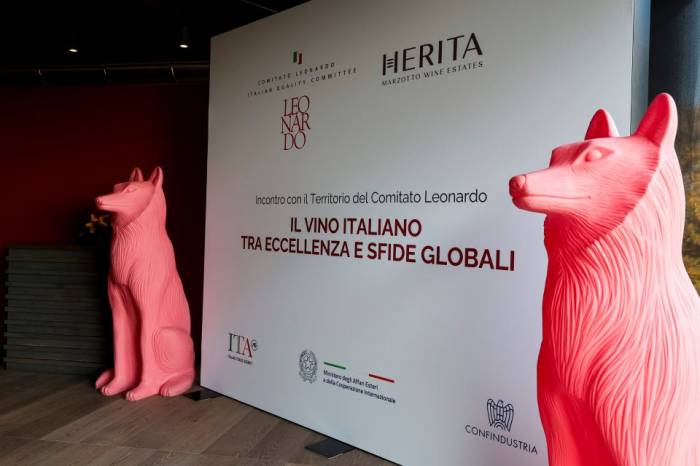
Italian wine continues to be a key player in the global market, with exports and production showing resilience despite changing consumer habits and international challenges. On November 12, 2025, industry leaders, producers, and policymakers gathered at Ca’ del Bosco in Franciacorta for the XIV Incontro con il Territorio, organized by Comitato Leonardo in collaboration with Herita Marzotto Wine Estates. The event focused on the current state of Italian wine, its economic impact, and the strategies needed to maintain its leadership amid global shifts.
According to Sergio Dompé, President of Comitato Leonardo, the Italian wine sector is one of the most important components of the country’s food and beverage industry. With over 30,000 processing companies and 74,000 employees, wine production generates more than 16 billion euros annually. Of this, more than 8 billion euros come from exports. Italy remains the world’s top wine exporter by volume and second by value, trailing only France. In 2024, Italian wine exports reached 8.1 billion euros.
Data presented by Denis Pantini from Nomisma Wine Monitor highlighted that Italian wine faces a period of structural change affecting production, exports, and domestic consumption. The sector accounts for 9% of Italy’s total food and beverage revenue and represents 14% of its food and beverage exports. Italy also stands out for its biodiversity: the top ten grape varieties account for just 38% of production, compared to much higher concentrations in countries like Australia and Spain. The country has a fragmented system of denominations with 409 DOPs (Protected Designations of Origin) and 118 IGPs (Protected Geographical Indications). The largest 100 companies are responsible for over half of total exports and revenue.
The commercial balance for Italian wine is strong, with a surplus of over 7.5 billion euros—well above the overall agricultural surplus. Most vineyards are located in hilly or mountainous areas, covering about 383,000 hectares. The value per hectare is second only to fruit crops.
Internationally, Italian wine has expanded its leadership from nine markets in 2004 to forty-six in 2024. Its share of global export value has grown from 17% to 22% over two decades. However, there remains a significant price gap with France: while the average export price for bottled still wines from France is 7.81 euros per liter, Italy’s is just 4.43 euros per liter—a difference reflecting different market positioning.
The global wine trade peaked after the pandemic in 2022 at over 39 billion euros but fell to nearly 36 billion euros in 2024. In the first eight months of 2025, market performance varied: U.S. imports rose by almost four percent in value; Germany also saw growth; but declines were recorded in the UK, Australia, Canada, and South Korea. Between January and July 2025 compared to the same period in 2024, total Italian wine exports dropped by nearly one percent in value and over two percent in volume. Sparkling wines grew slightly in volume while still wines declined.
Domestic consumption patterns are also shifting. From 2010 to 2024, red still wines’ share dropped from nearly forty-four percent to thirty-seven percent of total consumption; white wines remained stable; sparkling wines increased their share significantly. Supermarket sales reflect these trends: sparkling wines are up while reds are down.
Regular wine consumption among Italians has declined sharply over the past fifteen years—from fifty-five percent to forty percent of adults drinking regularly. The drop is seen across all age groups but is most pronounced among those aged forty-five to fifty-nine. Even among those over sixty—the most loyal consumers—regular consumption has fallen from seventy percent to fifty-four percent.
Among regular drinkers (“frequent users”), red still wines remain most popular at thirty-two percent of consumption; whites follow at twenty-six percent; sparkling wines have reached seventeen percent; rosé still wines account for five percent.
This decline in regular consumers is pushing producers to rethink their offerings and invest more in quality and communication. There is growing interest in lighter styles and alternative formats as well as sustainable production methods—trends especially strong among younger consumers and Millennials. Sustainability now influences eighty-five percent of Italian consumers’ choices and seventy-two percent of American consumers’. Healthier options are also gaining ground.
The Italian government is working to support the sector through international advocacy and efforts to open new markets while consolidating existing ones. Minister Francesco Lollobrigida emphasized that wine is not just an economic product but a cultural asset that helps preserve both jobs and landscapes. He noted ongoing efforts at UNESCO recognition for Italian cuisine—which would include wine as a key element—and said that any future changes in tariffs will be closely monitored for their real impact on trade.
As climate change, globalization, and new technologies reshape agriculture worldwide, Italian producers are investing more heavily in research and artificial intelligence to maintain their competitive edge. The sector’s ability to adapt will determine whether it can continue its tradition of excellence while meeting new consumer demands at home and abroad.

Founded in 2007, Vinetur® is a registered trademark of VGSC S.L. with a long history in the wine industry.
VGSC, S.L. with VAT number B70255591 is a spanish company legally registered in the Commercial Register of the city of Santiago de Compostela, with registration number: Bulletin 181, Reference 356049 in Volume 13, Page 107, Section 6, Sheet 45028, Entry 2.
Email: [email protected]
Headquarters and offices located in Vilagarcia de Arousa, Spain.