Case of Fine Wine Soars from $400 to $50,000 as Investors Seek Alternative Assets
Proper storage, expert advice, and patience emerge as key factors in navigating the lucrative but complex world of wine investment
2025-12-02
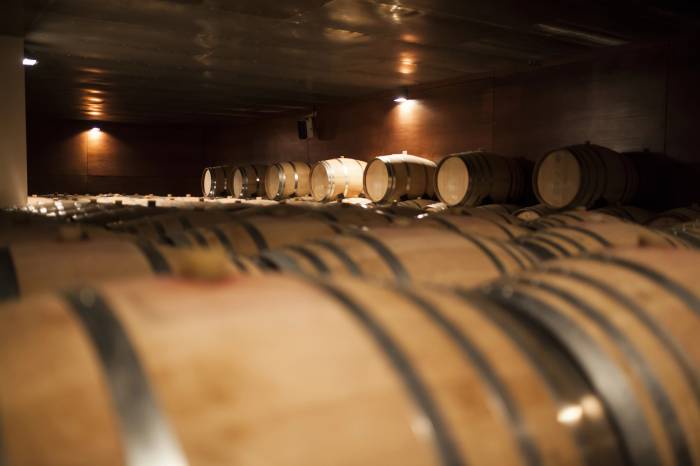
Wine investment has become an increasingly popular option for those looking to diversify their portfolios beyond traditional stocks and bonds. Over the past few decades, collectors and investors have turned to fine wine as an alternative asset, drawn by its potential for high returns and its unique blend of culture and passion. John Lowe, a financial advisor with MoneyDoctors.ie, has outlined several key principles for those considering entering the world of wine investment.
The first step, according to Lowe, is education. Investors need to understand the basics of the wine industry, including the major wine regions, grape varieties, vintages, and producers. Knowledge of wine classifications and labels is essential for assessing both quality and provenance. Staying up to date with market trends and emerging regions can help identify promising opportunities. Lowe recommends reading industry reports, attending tastings, and consulting with experts to build a solid foundation.
Quality and provenance are critical factors in wine investment. Wines that are known for their superior quality, aging potential, and reputable history tend to appreciate more over time. Provenance refers to the documented history of a wine’s ownership and storage conditions. Ensuring that wines are purchased from reputable merchants or directly from producers helps guarantee authenticity. Many investors choose professional storage facilities that maintain optimal temperature and humidity levels, which preserves the wine’s condition and value.
Patience is another important aspect of successful wine investing. Unlike stocks or other liquid assets, fine wines often require years to reach their peak drinking window and maximum value. Timing the market can be difficult, so investors should be prepared to hold onto their bottles for several years. Monitoring market trends and selling when demand is high can help maximize returns.
Understanding the broader wine market is also essential. Factors such as global economic conditions, changing consumer preferences, and geopolitical events can all influence prices. Regularly reviewing auction results, market reports, and industry news allows investors to make informed decisions about when to buy or sell.
Given the complexities involved in wine investment, many people seek out professional advice. Wine advisors, brokers, or specialized investment funds can offer valuable insights into market conditions and help select promising wines. These professionals can also assist with logistics such as storage and insurance, reducing risks associated with inexperience.
Legal and tax considerations should not be overlooked. Investors need to be aware of customs regulations, import/export restrictions, and any applicable taxes or duties. Proper documentation is important for smooth transactions, especially when dealing internationally. Consulting with legal or tax professionals can help structure investments efficiently.
Risk management is a key part of any investment strategy. The wine market carries risks such as price volatility, counterfeiting, and storage issues. Diversifying across different wines and regions can help mitigate these risks. Regularly checking storage conditions and verifying provenance reduces the chance of buying counterfeit bottles. Insurance coverage can protect against theft or damage.
Finally, Lowe emphasizes the importance of having a clear investment strategy tailored to individual goals and risk tolerance. Whether aiming for short-term gains through trading or long-term wealth preservation, setting realistic expectations is crucial.
Wine investment offers both financial opportunity and personal enjoyment for those willing to learn about the market’s intricacies. As an example of potential returns, a case of Pommerol Le Pin 1983 that originally cost $400 now sells for over $50,000 if it has been properly stored—a testament to the rewards possible in this sophisticated asset class when approached with care and expertise.
