Mexican Civil Groups Urge Lawmakers to Expand Health Taxes to Alcohol in 2026 Economic Package
Advocates say omitting alcohol from proposed tax hikes undermines public health efforts and leaves a costly gap in policy reform
2025-09-12
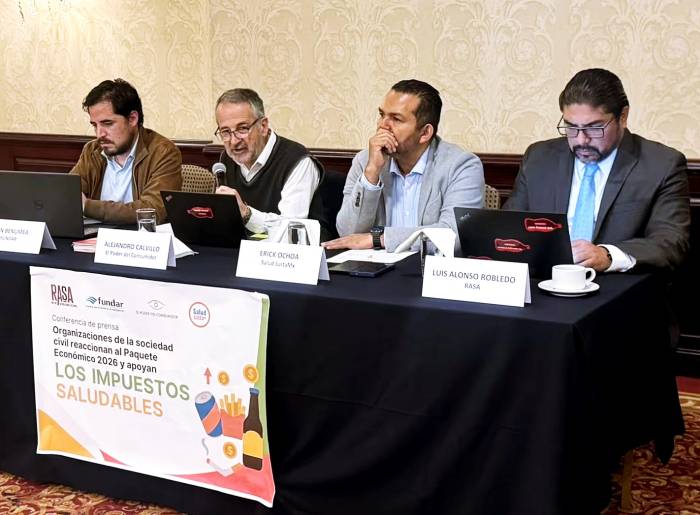
Several civil society organizations in Mexico have called on lawmakers to include taxes on alcoholic beverages in the 2026 Economic Package, alongside proposed increases for sugary drinks and tobacco. The groups, including the Red de Acción sobre Alcohol (RASA), Fundar Centro de Análisis e Investigación, El Poder del Consumidor, and Salud Justa Mx, argue that the current proposals for so-called “health taxes” are incomplete without addressing alcohol.
The organizations expressed support for the federal government’s decision to raise taxes on sugary drinks and tobacco but said these measures do not go far enough. They recommend increasing the tax on sugary drinks to 7 pesos per liter and raising the tobacco tax to 3 pesos per cigarette. According to their representatives, failing to include alcohol in these measures leaves a significant gap in public health policy.
Luis Alonso Robledo of RASA stated that taxing alcoholic products would help Mexico move toward a fairer and healthier society while strengthening public finances. He cited data showing that alcohol consumption is linked to 41,000 deaths annually in Mexico and is associated with six of the country’s ten leading causes of death. Alcohol is also involved in about 20% of fatal traffic accidents.
Robledo highlighted the social costs of alcohol use, noting that in 2023, 45% of intentional homicides were committed by people under the influence of alcohol, and 65% of those who died in street fights were intoxicated. He also pointed out that women are 3.5 times more likely to suffer severe violence when their partner drinks. The economic cost of alcohol-related harm is estimated at 552 billion pesos per year, or about 2.1% of Mexico’s GDP. Robledo argued that while society bears these costs, profits remain concentrated in the alcohol industry.
Ivan Benumea, coordinator of Fundar’s Fiscal Justice Program, said Congress still has time to strengthen the Finance Ministry’s proposal by adopting international best practices and World Health Organization recommendations for alcohol taxation.
Alejandro Calvillo, director of El Poder del Consumidor, recalled that taxes on sugary drinks are recommended by United Nations agencies focused on health and nutrition as well as by international financial institutions such as the World Bank, OECD, and IMF. He noted that Mexico ranks among the highest consumers of sugary drinks globally, which contributes to high rates of obesity, diabetes, and cardiovascular disease. Calvillo said a tax increase to 7 pesos per liter—about 20% of retail price—would be the minimum needed to see a clear reduction in consumption.
Erick Antonio Ochoa, director of Salud Justa Mx, welcomed fiscal measures aimed at improving public health and said they reflect President Claudia Sheinbaum’s commitment to tackling tobacco use. Ochoa urged legislators to further increase the tobacco tax beyond current proposals, suggesting a rate of 3 pesos per cigarette as recommended internationally. He argued this would help reduce the more than 63,000 annual deaths from smoking in Mexico and provide additional revenue for the health sector.
After the Economic Package was submitted to Congress on August 8, civil society groups reiterated their call for an additional tax on all spirits and alcoholic beverages. They argue this would help prevent tens of thousands of deaths each year and reduce over 200 diseases linked to alcohol consumption.
The current package proposes a tax of 3.08 pesos per liter for soft drinks and a doubling of the value-based tax rate for cigarettes. While organizations welcomed these steps as progress against products harmful to health, they insist that higher rates are needed given Mexico’s ongoing public health crisis.
So far, there has been no official response from government authorities regarding these new demands. The Economic Package will continue to be reviewed by Congress through late October, when final decisions on tax rates for these products are expected. Civil society groups say they will continue pressing lawmakers to adopt stronger measures against alcohol, sugary drinks, and tobacco in order to protect public health and reduce related social costs.
