Rare wine collections gain value as alternative investments but require expertise and careful storage
Collectors find both financial rewards and personal satisfaction in building and maintaining high-end wine portfolios over time
Friday, August 29, 2025
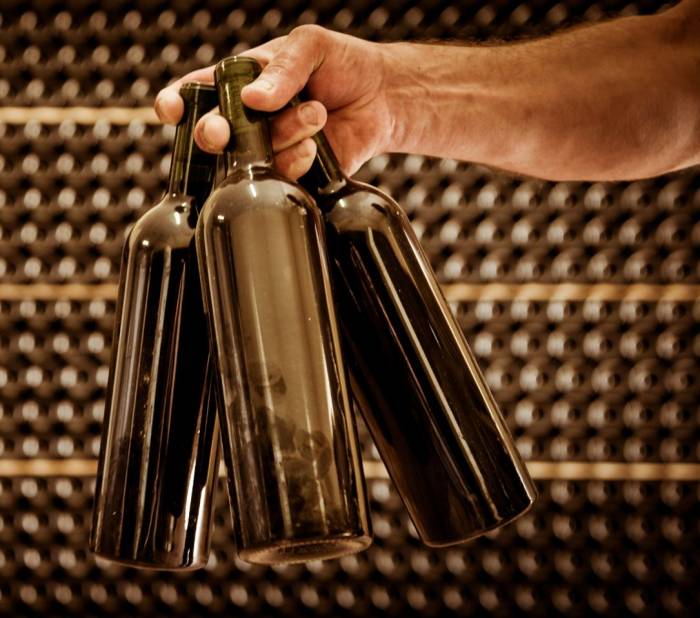
For many wine lovers, collecting rare bottles often begins as a personal passion rather than a calculated investment. Over time, however, these collections can grow in value, sometimes becoming significant assets. Brennan Decima, who runs Decima Wealth Consulting in St. Petersburg, Florida, says several of his clients take pride in the wines they have gathered over the years. He notes that discussing a wine collection is often more engaging than talking about traditional investments like index funds.
Wine expert Annie Edgerton of Flatiron Wines & Spirits in New York City points out that fine wine has become an increasingly sophisticated alternative investment class. She explains that while global demand for wine can fluctuate due to market trends and economic shifts, the supply of top-quality wine is always limited by vintage variations and production constraints. This scarcity can lead to strong long-term returns for those who invest wisely.
Edgerton emphasizes that successful wine investing requires careful research and proper storage. Collectors must ensure their bottles are kept under optimal conditions to preserve their value. She also highlights that the most dependable way to build a valuable collection is to focus on high-end producers with established reputations for excellence. Examples include Domaine de la Romanée-Conti from Burgundy, Masseto from Tuscany, and Screaming Eagle from Napa Valley. These producers are considered low-risk because their wines are consistently sought after, though they are expensive and often hard to acquire.
The collectability of a wine depends on its limited availability, high quality, and ability to age well over time. Edgerton says that if a wine is well-regarded, hard to find, and enjoyable for many years, people will pay a premium for it. Many collectors appreciate both the potential financial return and the pleasure of sharing special bottles with friends and family.
Proper storage is crucial for maintaining a wine’s value. Wine should be kept at a constant temperature—around 55 degrees Fahrenheit is ideal—to prevent premature aging or spoilage. Edgerton warns against relying on natural basements or spaces that seem cool but may still experience temperature swings. Even a brief power outage affecting a wine cellar’s cooling system can cause significant loss of value.
When it comes time to sell, reputable auction houses offer reliable avenues for buying and selling investment-grade wines. These organizations carefully check provenance, condition, and authenticity to protect buyers and sellers alike. Some specialized merchants also deal in collectible wines, but Edgerton advises thorough due diligence before making any transactions.
The value of rare wines can vary widely based on factors such as producer reputation, vintage quality, and market demand. For instance, the 2005 Domaine de la Romanée-Conti sold for about $10,000 to $11,000 per bottle when it first appeared at U.S. auctions in 2009; recent sales have reached $17,000 to $22,000 per bottle. In contrast, certain vintage ports like the 1994 Taylor or Fonseca have seen little price movement over decades.
Despite some high-profile successes, the global wine market has faced challenges in recent years. Overall wine sales have declined worldwide, reaching their lowest point in sixty years. Prices for prestigious Bordeaux wines have softened as well; however, some bottles have still appreciated significantly over time. The 2000 Château Mouton Rothschild initially sold at auction for $350 to $420 per bottle but now fetches around $1,500 to $1,700.
Edgerton notes that these returns depend on buying top wines early and holding them for many years or even decades. She suggests that collectors who purchase multiple cases upon release can enjoy drinking some bottles while selling others later at a profit—sometimes enough to offset their original costs entirely.
Even so, most investors do not rely on wine as a primary part of their financial planning. Decima says his clients rarely expect their collections to fund retirement or cover regular expenses. For most collectors, the true reward lies in both the enjoyment of fine wine and the possibility of seeing their passion pay off financially if managed with care and patience.