Sake gains global recognition as masterclass for sommeliers highlights rising demand in Singapore
Educational initiatives and export growth position sake alongside wine and spirits in international markets
Friday, August 29, 2025
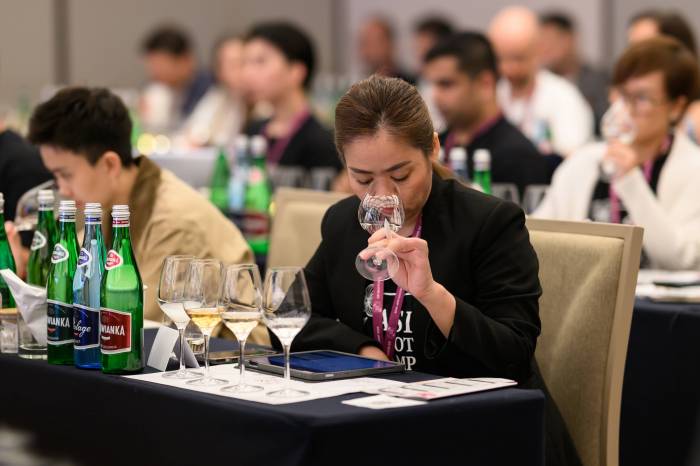
The Japan Sake and Shochu Makers Association (JSS) has expanded its partnership with the Association de la Sommellerie Internationale (ASI) by organizing a sake masterclass for young sommeliers in Singapore. The event took place as part of the ASI Bootcamp, an educational program designed to provide up-and-coming sommeliers with advanced knowledge about global beverages. This initiative is seen as a significant move to position sake alongside wine and spirits on the international stage.
In recent years, sake exports to major Asian markets have seen rapid growth. Data from 2024 shows that exports nearly doubled compared to the previous year. Singapore, in particular, has experienced a surge in demand, with sake imports growing approximately 2.8 times over the past decade. The beverage’s presence is now notable in high-profile venues such as Odette, a three-Michelin-star restaurant, and 67 Pall Mall, a renowned wine bar. Sean Ou, who leads JSS’s Southeast Asia Support Desk, noted that sake is increasingly featured on wine lists due to rising consumer interest. He emphasized that this trend reflects both growing demand among general consumers and sake’s elevated status within the global beverage industry.
The masterclass in Singapore was led by Sean Ou and focused on educating participants about the role of koji mold in sake fermentation. Koji mold is essential in breaking down starches into sugars and proteins into amino acids, which contribute to sake’s signature umami flavor. The importance of koji has gained wider recognition beyond the beverage industry, especially after UNESCO added “Traditional knowledge and skills of sake-making with koji mold in Japan” to its Intangible Cultural Heritage list in December 2024.
During the session, sommeliers learned about sake’s unique characteristics compared to wine. Sake typically has much lower acidity—about one-fifth that of wine—and contains higher levels of amino acids, which are responsible for its umami taste. These properties allow for food pairings that differ from those traditionally associated with wine, opening new possibilities for chefs and sommeliers alike.
To support the education of sommeliers worldwide, ASI has introduced a standardized “Sake Tasting Grid.” This tool allows professionals to systematically evaluate sake based on appearance, aroma, taste, and intensity. The goal is to make sake more accessible and understandable for sommeliers who may be less familiar with it.
Hitoshi Utsunomiya, Director of JSS, highlighted the importance of this collaboration with ASI. He stated that sake should be recognized as a complex and diverse beverage worthy of global evaluation. Utsunomiya expressed hope that through continued educational efforts, sake’s appeal will reach more consumers around the world.
Sören Polonius, co-director of ASI’s Education & Exam Committee and content co-director for the Bootcamp, observed that perceptions of sake are changing rapidly. He noted that what was once considered an obscure drink is now regularly encountered in restaurants worldwide. Polonius pointed out that unlike wine, which relies heavily on acidity for food pairing, sake’s foundation in amino acids and umami creates new opportunities for culinary synergy.
The JSS plans to continue working closely with ASI to promote sake education among sommeliers globally. By increasing awareness and understanding of sake’s qualities and versatility, both organizations aim to secure its place among the world’s leading alcoholic beverages.