














Muscadet Faces Downy Mildew Crisis
Unprecedented Downy Mildew Outbreak Threatens Muscadet
2024-08-21
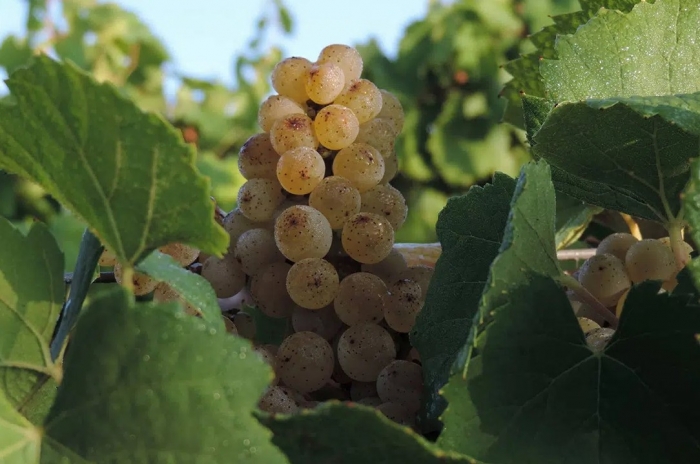
The Loire Valley, renowned for its production of fresh, light white wines, particularly the Muscadet appellation, is facing a troubling year. Unfavorable weather conditions have led to a severe outbreak of downy mildew, a fungal disease that thrives in humid environments and has wreaked havoc on vineyards across the region. This crisis is a stark reminder of the growing challenges climate change poses to viticulture, particularly in regions like Muscadet where stability in weather patterns is critical for maintaining quality and production levels.
Philippe Chevarin, an organic winemaker in Oudon, near Nantes, has described the situation as unprecedented in his career. Since starting his vineyard in 2015, he has never experienced such a devastating blow. This year, he has lost approximately 70% of his crop to downy mildew. The disease attacks the vines, causing leaves to yellow and fall off, and fruit to rot, ultimately leading to significant yield loss.
The situation is similarly dire for other winemakers in the region. Vincent Loiret, who produces Muscadet in La Perrière, Pallet, reported a 50% reduction in his production. Muscadet is primarily made from the Melon de Bourgogne grape, a variety uniquely associated with this region. The extensive damage across vineyards has put immense pressure on producers, many of whom are already struggling to adapt to the increasingly erratic weather patterns.
The Loire is not alone in facing these challenges. Across France, persistent rainfall has exacerbated the spread of downy mildew, threatening vineyards from Burgundy to Bordeaux. The consequences are far-reaching, as the French wine industry is integral not only to the country's economy but also to its cultural heritage.
While the extent of the damage varies, the common denominator is the increased difficulty in managing vine health in the face of such aggressive disease pressures. For organic growers like Chevarin, who have fewer tools at their disposal compared to those who use chemical treatments, the challenge is even more daunting. This situation is prompting a broader discussion about the sustainability of organic viticulture in the face of climate change, and whether new approaches or technologies might be necessary to preserve these practices.
The production shortfall raises concerns about the availability of Muscadet in the coming year. While it is still too early to predict the full extent of the impact, there are fears that the reduction in supply could lead to higher prices or scarcity in certain markets. This is of particular concern to events like Hellfest, the internationally renowned heavy metal festival held in Clisson, near Nantes.
Hellfest has become known not just for its music but also for its unique bar, the Kingdom of Muscadet. This venue, decorated with a striking image of death harvesting grapes, serves Muscadet in plastic jugs to thousands of festival-goers each year. The festival's organizers may face difficulties in securing enough wine to meet demand if the production crisis continues. For local producers, the festival represents both a significant marketing opportunity and a crucial revenue stream, making any disruption a serious concern.
The challenges presented by downy mildew and the broader impacts of climate change are forcing Muscadet producers to rethink their practices. Historically, the region has benefited from a relatively temperate climate, ideal for the cultivation of Melon de Bourgogne. However, the increasing frequency of extreme weather events—whether excessive rainfall or drought—demands a more resilient approach to viticulture.
Producers are exploring various strategies to adapt, including the development of more resistant grape varieties, changes in vineyard management practices, and even the potential for new appellations that might be better suited to the evolving climate. These efforts are essential not just for preserving the Muscadet tradition but for ensuring the long-term viability of viticulture in the Loire Valley.
The situation in Muscadet is a microcosm of the broader challenges facing wine regions around the world as they grapple with the realities of climate change. For the Loire Valley, the loss of a significant portion of the Muscadet crop is not just an economic blow but a cultural one as well. The region's winemakers are at a crossroads, needing to balance tradition with innovation in order to secure their future. As the world watches and waits, the hope is that the resilience of these producers will carry them through, allowing the Muscadet name to continue to shine on the global stage.
