Wine Industry Job Applications Surge, New Index Reveals
New Index Offers Deeper Insights into Wine Industry Job Market
Thursday, June 13, 2024

Views › 2596
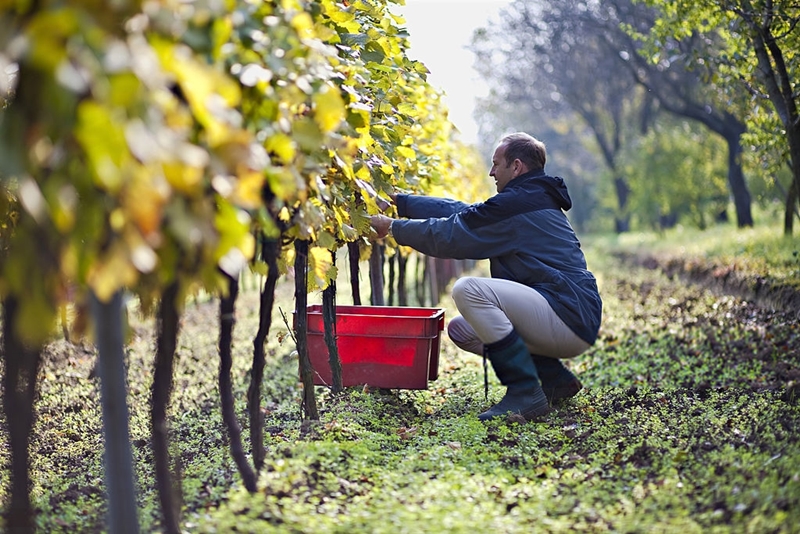
Winejobs.com has just launched a new index based on the number of job applications submitted through its platform, promising to offer deeper insights into the U.S. wine industry's job market while helping wineries fill their vacancies more effectively.
Winejobs.com, part of the WineBusiness Communications Group, developed this new index to complement the existing Winejobs Index, which tracks job postings by wineries. According to Eric Jorgensen, president of the group, this addition will allow hiring managers to gauge and compare candidate availability over several years.
The index, which uses data from January 2020 and starts at a baseline value of 100, tracks total applications on Winejobs.com. Jorgensen mentioned that there has been a noticeable increase in job applications over the past year, providing the wine industry with a clearer understanding of the labor market and improving the chances of finding the right candidates.
Dorothy Kime, HR director at Bogle Family Wine Collection in Clarksburg, California, highlighted the challenges in attracting sufficient applicants even before the pandemic. "We were already feeling it before the pandemic," she said. "But since 2022, we've seen a real increase in applicants and qualified ones at that. It's rare now that we don't find what we're looking for."
In 2023, Bogle posted nine positions throughout the year and received over 600 applications. In April, the applications index hit 128, a 62% increase from the same period the previous year, though it dropped from March's peak of 163, likely due to harvest season hiring.
Laura Mosley, HR manager at Clif Family Winery & Farm in St. Helena, California, noticed a significant increase in applicants per position despite her short tenure. She noted that application numbers still depend on the type of position. A sales and marketing role posted earlier this year drew over 80 applications. "However, when we posted a hospitality and sales associate position, we barely received any applications," she added.
The index breaks down applications into categories like DTC (direct-to-consumer), finance and accounting, viticulture, and enology, among others. By sorting the data by job type, employers can better understand the performance of their postings in the broader market.
Christine Lintz, HR director at Stag's Leap Wine Cellars in Napa, California, also observed an uptick in application volume, though the labor market remains competitive. "It's definitely become more competitive for certain positions," she noted, emphasizing that roles in the cellar and other specialized areas are in high demand.
Kime from Bogle mentioned that with stronger candidates, there's still a rush to secure them quickly. She pointed out that having a high volume of applications is beneficial because if the top candidate isn't available, it's easier to move to "plan B."
To attract the right candidates, Lintz advised being as transparent as possible from the start. "Begin with a well-crafted job description that accurately describes what the role entails, and then have the candidate meet not only with their supervisors but also with the team," she suggested. "Give them the opportunity to ask questions to someone who actually lives the experience."
At the end of the day, she said, providing as much information as possible benefits both the candidate and the company. "It's about finding the right person for us just as much as it's about them finding the right place."
The Winejobs Applications Index will be reported regularly alongside the WineJobs Index data in the Wine Analytics Report, offering continuous insights into the evolving job market within the U.S. wine industry.