Quality over Quantity for Generation Z
Gen Z and the shift towards mindful drinking
Thursday, February 22, 2024
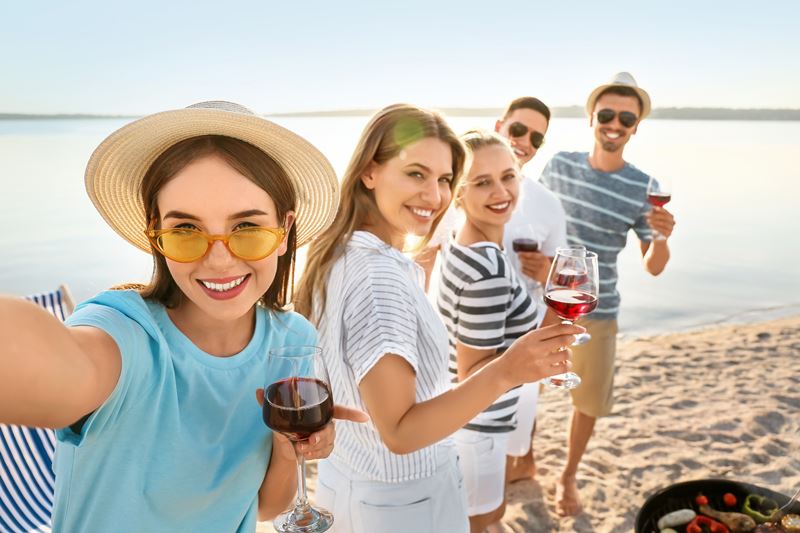
Talk about Generation Z, and you're talking about a group of young individuals who are redefining the rulebook on lifestyle choices, including how they interact with the world of alcoholic beverages. Far from following the footsteps of the boozy brunches and happy hours that defined the millennial era, Gen Zers are charting a course toward a more mindful consumption of alcohol, if they choose to consume it at all.
This shift in drinking habits is placing the beverage industry at a crossroads. With a significant decrease in alcohol consumption among Gen Z compared to previous generations, brands are scrambling to adapt. The trend isn't just a blip on the radar; it's indicative of a deeper change in social behaviors and preferences. As the Silicon Valley Bank's 2024 State of the U.S. Wine Industry report highlights, the traditional stronghold of wine among older consumers is not mirrored in the younger demographics, suggesting a need for the industry to innovate or face potential decline.
But it's not all doom and gloom. This pivot towards mindful consumption is opening up avenues for growth in the no and low alcohol (NoLo) sector. From alcohol-free beers that defy the stigma of choice to ready-to-drink (RTD) cocktails that cater to the convenience and quality sought after by younger drinkers, the industry is witnessing a renaissance in how beverages are crafted and consumed.
The rise of health-consciousness among Gen Z is a significant driver of this change. With an increasing number of young people prioritizing their physical and mental well-being, the appeal of alcohol's temporary highs is losing its luster. Instead, there's a burgeoning interest in alternatives like adaptogenic drinks, which promise mood-enhancing benefits without the hangover.
Moreover, the narrative around alcohol consumption is changing. Where once the quantity of alcohol consumed was a badge of honor, today's younger consumers are more interested in the quality and uniqueness of their drinking experiences. They're seeking out beverages that offer something more than just a buzz - drinks that are an extension of their personal values and lifestyle choices.
This shift is also reflected in the types of products gaining traction. Small, independent brewers like Adnams are experimenting with low-alcohol versions of their popular beers, signaling a recognition that the future of drinking is not about abstention but about moderation and choice. Similarly, spirits giant Bacardi is investing in unique, high-quality offerings that resonate with a generation looking for special drinking experiences, whether that includes alcohol or not.
The changing landscape of alcohol consumption among Gen Z is not just a challenge for the beverage industry; it's an opportunity. It's a chance to redefine what it means to enjoy a drink, to move away from the binary of drinking versus not drinking, and to embrace a more nuanced understanding of consumption that prioritizes quality, health, and individual choice.
As we look to the future, it's clear that the bars, pubs, and restaurants of tomorrow will need to continue adapting to this evolving consumer landscape. The success of the industry will depend not on convincing younger drinkers to return to old habits but on embracing the new paradigms they're setting. In this new era, the drink in your hand is more than just a beverage; it's a statement about who you are, what you value, and how you choose to navigate the world.