Portugal’s Wine Production Plunges 20% to Decade Low Amid Extreme Weather
Vineyards struggle with disease and heat, threatening rural livelihoods and raising concerns over rising prices and long-term resilience.
2026-01-22
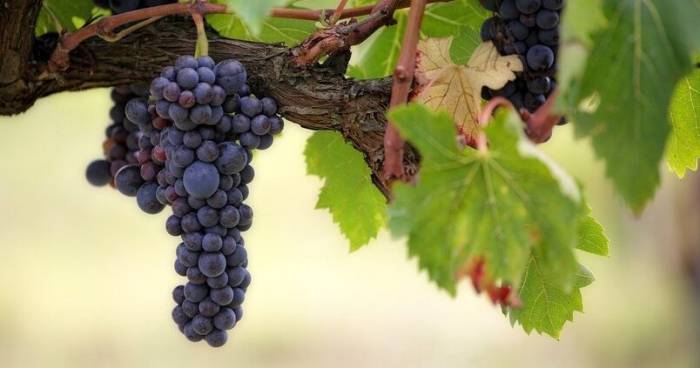
Portugal’s wine industry is facing its most difficult year in a decade, as official data reveals a sharp drop in production. The National Institute of Statistics reported that wine output fell by about 20% this year, the lowest level recorded in the past ten years. The decline is attributed to a combination of extreme weather events that have severely affected vineyards across the country.
The problems began in the spring, when intense rainfall and mild temperatures created ideal conditions for downy mildew, a fungal disease that attacks grapevines. According to agricultural experts, the mildew outbreak reduced both the number and weight of grapes, significantly impacting yields. Later in the season, vineyards were hit by extreme summer heat, which caused sunburn and dehydration in the remaining fruit. These back-to-back weather challenges have made it difficult for growers to recover, even as some report that the surviving grapes are of high quality.
Wine production is a vital part of Portugal’s economy, especially for thousands of small and medium-sized farms in rural areas. Many families depend on grape harvests for their livelihoods, and a poor season can mean lower incomes and fewer seasonal jobs. The effects extend beyond agriculture, impacting transport companies, tourism operators, and restaurants that rely on local wine supplies. For consumers, reduced production often leads to higher prices at stores and restaurants.
This year’s losses are part of a broader trend affecting European agriculture. Unpredictable weather patterns have already driven up prices for other staples such as vegetables, olive oil, and grains. Experts warn that if these disruptions continue, smaller producers may be forced out of business because they lack the resources to withstand repeated bad seasons.
In response to these challenges, Portuguese researchers and agricultural agencies are working on adaptation strategies. Efforts include developing grape varieties that are more resistant to heat and disease, as well as introducing new farming techniques such as altered pruning schedules and improved water management. Some growers are experimenting with shade management to protect vines from extreme heat.
The situation in Portugal highlights the growing need for resilient farming systems as climate change makes weather patterns more unpredictable. Ensuring long-term food security will require continued investment in research and support for farmers adapting to new conditions. As global temperatures rise and extreme weather becomes more common, the future of traditional crops like wine grapes may depend on how quickly producers can adapt to these new realities.
