Michel Barraud and Laurent Delaunay Take Helm of Burgundy Wine Committee in Leadership Overhaul
New co-presidents pledge financial reforms and strategic planning as Burgundy’s wine sector braces for economic and climate challenges
2026-01-29
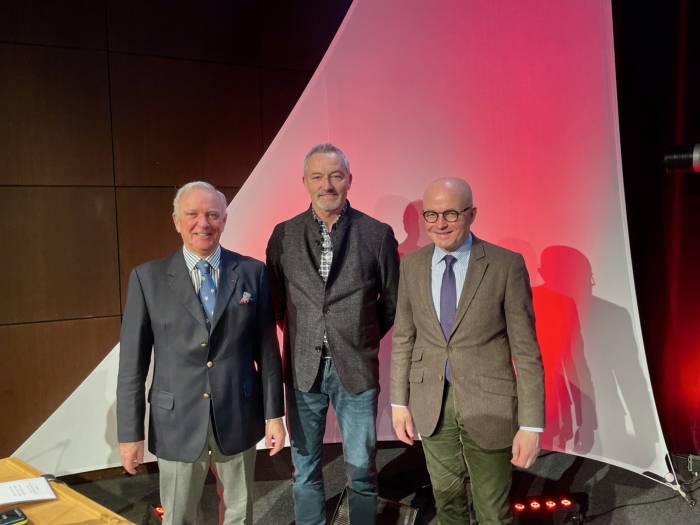
The Comité des Vins de Bourgogne, the main body representing Burgundy’s wine industry, held its annual general assembly this Thursday at the Palais des Congrès in Beaune. The meeting marked a significant change in leadership as Michel Barraud, representing viticulture, and Laurent Delaunay, representing négociants, were named co-presidents. They succeed François Labet, who served for eight years and was recognized for his dedication to the region’s wine sector.
The assembly took place in a nearly full auditorium, reflecting the high level of concern among Burgundy’s wine professionals about current and future challenges. The morning session focused on governance renewal, while the afternoon was dedicated to strategic planning for the industry’s future up to 2035.
Financial matters were a central topic. The Comité faces a projected deficit of €1.9 million for 2025 on a total budget of €18.46 million. This shortfall is mainly due to lower harvest volumes in 2025, which directly affect interprofessional contributions—about €2 million less than expected. Despite this, the Comité has reserves of €6.7 million, allowing it to continue its work for now. However, leaders stressed that adjustments will be necessary starting in 2026 to restore financial balance.
Laurent Delaunay pointed out that the organization relies too heavily on harvest volumes and cannot continue drawing from reserves indefinitely. A new budget committee has been established to find solutions and refocus priorities.
In his address, Delaunay described the past year as one of intense collective reflection rather than simple transition. He cited climate challenges, fiscal uncertainties in the U.S., market disruptions, and increased pressure on exports—especially to the United States—as key issues affecting Burgundy wines since late last year.
After several prosperous years, Burgundy’s wine sector now faces a more difficult period due to climate crises, inflation, geopolitical tensions, and declining consumption. Delaunay warned that tougher times are ahead and emphasized the need to anticipate economic changes while maintaining high wine quality.
Despite these pressures, major projects remain underway. These include the Cités des Climats et Vins de Bourgogne—a network of visitor centers designed to educate the public about Burgundy’s wines—the Carbone 2035 plan aimed at reducing carbon emissions, and the Qanopée program focused on plant material innovation. These initiatives have been largely funded from reserves, prompting calls for stricter financial management going forward.
A complete reorganization of the Cité des Climats is already in progress, with a new director, Édouard Mognetti, tasked with revitalizing its commercial strategy. The Comité aims to be a supportive but demanding partner in these efforts.
Looking ahead, the new leadership plans to reassess budget priorities and develop a strategic plan for 2025-2035. A study on changing wine consumption patterns will also be conducted and presented at the next general assembly in July.
François Labet reflected on his eight-year tenure with humor and pride but expressed concern about growing anti-wine sentiment in France. He defended wine as an important part of French cultural heritage rather than a public danger.
Michel Barraud was elected co-president for viticulture without campaigning—a fact he noted with amusement—and thanked Labet for encouraging him to take on the role. Barraud manages a 50-hectare estate in Sologny with his sons and has led the Terres Secrètes cooperative for 18 years. He pledged to represent all parts of Burgundy equally and promote open communication and pragmatic decision-making.
The assembly also confirmed appointments for commission chairs and board members for the 2026-2030 term. The day concluded with Vinosphère, a seminar focused on long-term trends in wine consumption and Burgundy’s image.
Laurent Delaunay closed by emphasizing unity within Burgundy’s wine community as it prepares to face upcoming challenges together.

Founded in 2007, Vinetur® is a registered trademark of VGSC S.L. with a long history in the wine industry.
VGSC, S.L. with VAT number B70255591 is a spanish company legally registered in the Commercial Register of the city of Santiago de Compostela, with registration number: Bulletin 181, Reference 356049 in Volume 13, Page 107, Section 6, Sheet 45028, Entry 2.
Email: [email protected]
Headquarters and offices located in Vilagarcia de Arousa, Spain.