Santa Catarina Researchers Launch Fine Wines Made From Disease-Resistant Grapes
New grape varieties aim to cut chemical use, lower costs, and boost Brazil’s wine industry with unique flavors and higher yields
2026-02-04
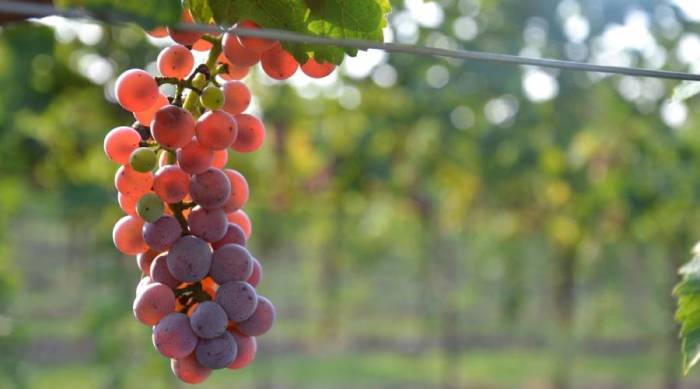
Researchers at the Agricultural Research and Rural Extension Company of Santa Catarina (Epagri) have introduced a new line of fine wines made from disease-resistant grape varieties. The initiative, which has been in development for nearly ten years, aims to lower production costs, reduce the use of agricultural chemicals, and maintain the high quality standards of Santa Catarina’s wine industry. The first bottles from this project are reaching the market this year.
The project is led by André Luiz Kulkamp, a specialist in crop science and manager at Epagri’s Experimental Station in Videira. According to Kulkamp, Santa Catarina is leading this type of research in Brazil due to its diverse wine-producing regions and varied climate conditions. The research began before 2015, with experimental vineyards established across five distinct regions in the state starting that year. These areas include Urussanga in the south, Vale do Rio do Peixe at 800 meters altitude, São Joaquim in the Serra Catarinense at 1,100 meters, Água Doce with vineyards up to 1,300 meters high, and Curitibanos with intermediate climate conditions.
The main goal is to offer alternatives to traditional grape varieties without replacing them. The new grapes are designed to expand producers’ portfolios with options that have unique aromatic profiles, high winemaking quality, and greater resistance to fungal diseases. Kulkamp explains that these varieties are easier to grow and require less plant health management, which is especially important in southern Brazil where high humidity and warm temperatures often lead to increased disease pressure on vines.
Reducing the use of chemical crop protection products is a key advantage of these new grapes. Epagri says this meets growing consumer demand for food and beverages with fewer chemical residues. Kulkamp notes that Santa Catarina’s producers already have a reputation for quality, and these innovations are intended to make their work easier while maintaining high standards.
Currently, more than 50 grape varieties are being evaluated across the different test sites. Some have shown strong performance in multiple regions, allowing Epagri to begin distributing the first cultivars to local growers. The process for releasing new varieties is gradual and follows at least seven consecutive harvests of agronomic and sensory evaluation.
Interest from wine producers has been strong not only in Santa Catarina but also in other parts of Brazil such as the North, Northeast, and Center-West regions. A recent field day event in Videira brought together over 200 producers and technical experts who learned about vineyard management practices and tasted wines made from the new grapes. Epagri recommends that growers start with small plantings to adapt technically and assess market response.
With the first commercial harvests taking place this year, attention is now turning to how these wines will be received by consumers and wineries. The new grape types—known as PIWI varieties—offer different aromatic and sensory profiles compared to traditional wines. Kulkamp says that while technical results are promising, commercial acceptance will depend on how well these wines perform in tastings.
Epagri emphasizes that these new grapes are not meant to compete with established regional varieties like Goethe or classic fine wine grapes from Serra Catarinense. Instead, they are intended to complement existing offerings and strengthen the sector as a whole. Varieties such as Calardis Blanc and Felicia have stood out for their high productivity and lower production costs.
The expectation is that this innovation will help establish Santa Catarina as a national leader in viticulture, support rural producers, encourage consumption of Brazilian wines, and reduce reliance on imports. The project continues in partnership with the Federal University of Santa Catarina (UFSC), focusing on technical reliability before expanding further into the market.
