Tackling Pierce's disease in American viticulture
Embracing new hybrid grape varieties
Thursday, January 11, 2024

Views › 1655
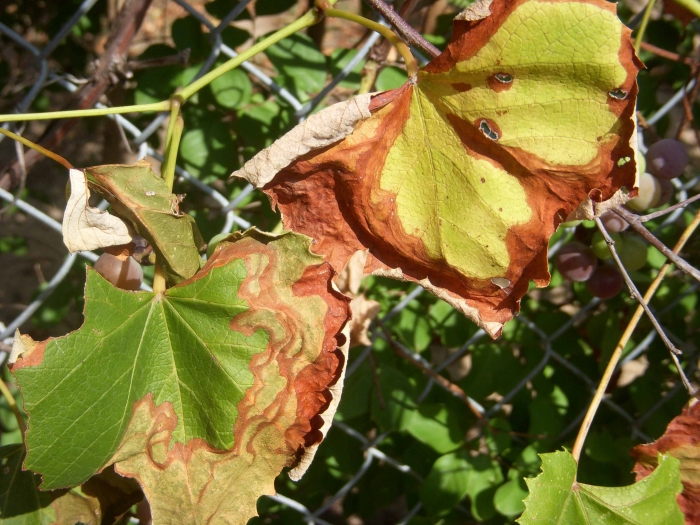
The American wine industry, particularly in coastal and riparian zones, has long faced a formidable foe in Pierce's disease, a vine-killing affliction caused by the bacterium Xylella fastidiosa. Transmitted by insects from the sharpshooter family, this disease wreaks havoc on grapevines, leading to significant economic losses, especially in states like California, where the disease costs the wine industry over $100 million annually. This persistent problem has spurred a relentless quest for solutions, leading to a groundbreaking development in the field of viticulture: the creation of Pierce's disease-resistant grape varietals.
The inception of these new varietals, known as Walker varieties, is the culmination of over two decades of meticulous research and development by Dr. Andrew Walker and Dr. Alan Tenscher at the University of California at Davis's Department of Viticulture and Enology. These five hybrid varietals, released in limited quantities in 2020 and more widely in 2021, are a cross between Vitis vinifera, the species behind popular European grape varieties, and Vitis arizonica, a native American grape species with inherent resistance to Pierce's disease.
The Walker varieties represent a significant breakthrough, not just in disease resistance but also in maintaining high wine quality, a balance that has been challenging to achieve in past hybridization efforts. Early plantings in Texas and the Southeast, regions particularly afflicted by Pierce's disease, have shown promising results. The varietals include three reds - Camminare Noir, Paseante Noir, and Errante Noir - and two whites - Ambulo Blanc and Caminante Blanc, each with a high percentage of Vitis vinifera to appeal to mainstream wine consumers.
The introduction of these varietals has not only provided a practical solution to the challenges posed by Pierce's disease but also opened new avenues for wine production in areas previously constrained by this affliction. In Texas, the adoption of these varietals has been particularly notable, with a significant number of acres already planted across various counties. Their success in Texas, a state with a diverse range of sharpshooter species and a high incidence of Pierce's disease, underscores their resilience and potential as a game changer in the wine industry.
California, a long-established wine-producing region, has also benefited from these new varietals. The experience of Whitehall Lane's Oak Glen Vineyard in Napa Valley, where Pierce's disease had been a persistent problem, illustrates the transformative impact of the Walker varietals. The winery's successful harvests of Camminare Noir and Paseante Noir have not only addressed the disease issue but also demonstrated the high quality and potential of these grapes.
While the Walker varieties are gaining traction in the industry, challenges remain, particularly in terms of consumer acceptance and education. Familiarity with traditional varietals still dominates the American wine market, and introducing these new hybrids requires a strategic approach to marketing and branding. Educating consumers about the unique qualities and the story behind these varietals could be key to their wider acceptance and success.