Study Finds Smoke-Exposed Hops Alter Beer More When Added After Fermentation
Oregon State researchers said blending affected hops with unaffected lots may help brewers limit unwanted smoke flavors
Tuesday, November 24, 2026

Views › 379
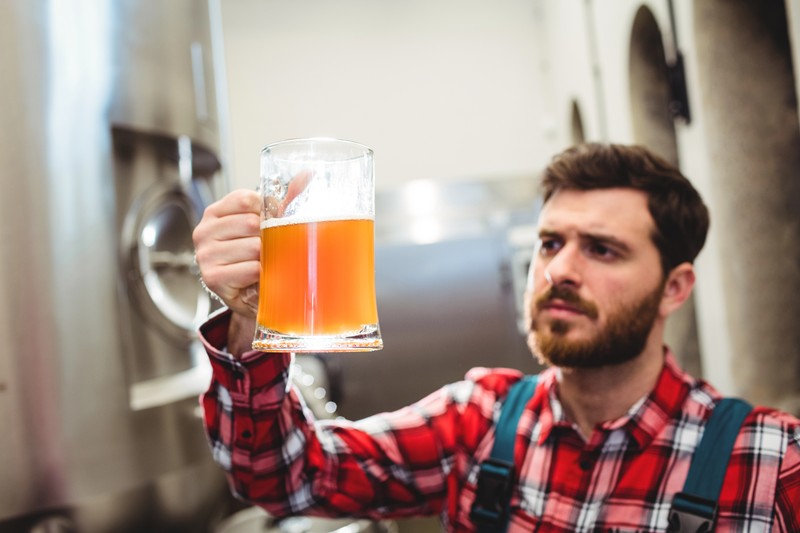
A study from Oregon State University found that smoke-exposed hops have a stronger effect on beer when they are added after fermentation than when they are added during the boil, a result that could give brewers a clearer way to manage raw materials affected by wildfire smoke.
The researchers said the timing of hop addition changed how strongly the smoke impact was perceived in the finished beer. Based on the study, beers made with smoke-affected hops showed the greatest sensory impact when those hops were introduced after fermentation, rather than earlier in the brewing process.
That finding matters because hop additions at different stages serve different purposes in brewing, and post-fermentation additions are widely used to shape aroma and flavor. If smoke exposure becomes an issue in a hop crop, the study suggests that using those hops later in production may increase the chance that unwanted smoke-related characteristics will stand out in the final product.
The research also pointed to one possible way to limit the defect. According to the summary of the study, blending smoke-affected hop lots with lots that were not exposed to smoke could help reduce the sensory problem. That could give brewers and hop suppliers another option besides discarding affected material outright.
For the beer industry, the result could have practical value well beyond the lab. Smoke exposure has become a growing concern for agricultural products in regions affected by large fires, and hops are a high-value ingredient with a direct influence on a beer’s aroma, taste and market appeal. A better understanding of when smoke-affected hops are most likely to cause problems could help breweries adjust production decisions, protect quality and potentially reduce financial losses tied to unusable inventory.
The study adds detail to a problem that has been difficult for brewers to judge. Smoke exposure does not automatically mean a hop lot will have the same effect in every beer or at every stage of production. The Oregon State work indicates that process decisions inside the brewery can make a meaningful difference in how that exposure is expressed in the glass.
That distinction is important for brewers deciding whether an affected lot can still be used in a different way. A brewery that relies heavily on post-fermentation hop additions may face a higher quality risk from smoke-affected hops than one using the same hops mainly during wort boiling. In practice, that could shape purchasing choices, production planning and sensory testing during fire seasons.
The findings may also help support discussions between growers, merchants and brewers about how to classify and price smoke-affected hops. If certain uses create a stronger negative result than others, then material that is unsuitable for one brewing application might still be usable in another, depending on the level of exposure and the style of beer being made. That does not remove the quality concern, but it suggests there may be more than one path for handling affected lots.
Oregon State’s study focused on the sensory impact in beer, reinforcing that the brewing outcome cannot be judged only by whether hops encountered smoke in the field. The stage of use appears to be a key factor. For breweries under pressure from tight ingredient costs, that kind of process-based guidance could become an important tool in deciding how to limit defects without wasting large amounts of raw material.
The work arrives as producers across the beverage sector are paying closer attention to how climate-related events affect ingredients before they reach the brewhouse. For beer, hops are one of the most sensitive and valuable flavor inputs. Research that identifies where the risk is highest in the brewing process could help the industry respond more precisely, rather than treating all smoke-affected hops as having the same effect.