Ontario trials show local yeast can produce lower-alcohol wine with strong sensory profiles
Brock University researchers said Southern Ontario strains lifted floral and tropical notes, giving wineries a new tool for climate resilience
Tuesday, November 24, 2026

Views › 272
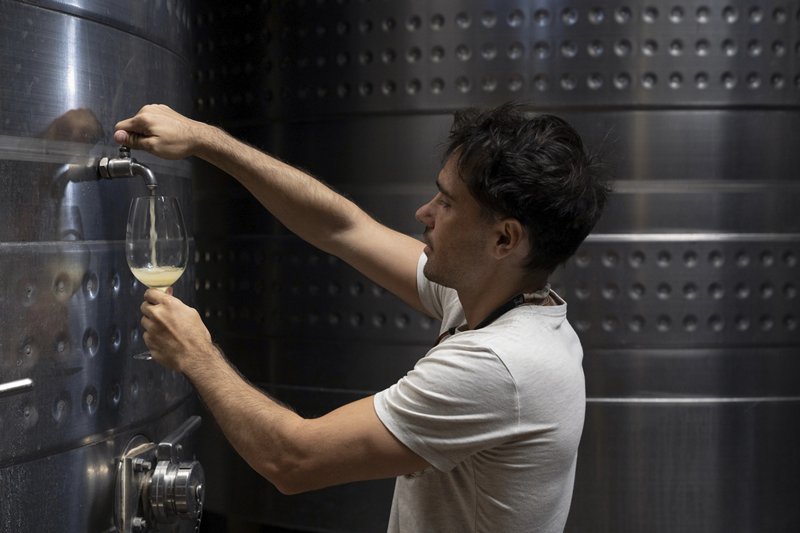
Canadian wine researchers said Monday, November 23, that trials in Ontario are showing how locally isolated yeast, new grape varieties and post-fermentation processing could help wineries produce lower-alcohol wines while maintaining quality and developing more distinctive styles.
The work is part of the Viticulture Innovation and Next-generation Oenology, or VINO, Solutions program, led by Debra Inglis at Brock University’s Cool Climate Oenology and Viticulture Institute. In a report published by Open Access Government, Inglis and Jennifer Kelly said the research is aimed at helping the Canadian wine industry improve wine quality, respond to climate pressures and compete more effectively in the domestic market.
According to the researchers, one focus is the use of indigenous yeast during fermentation. They said yeast choice can change how grape sugars and other juice components are used, which in turn affects alcohol levels, aroma, flavor and mouthfeel. That makes yeast selection an important tool for wineries trying to shape finished wines more precisely.
The researchers highlighted Saccharomyces uvarum, a yeast species found naturally on grape skins in wine regions across Canada. They said Canadian populations of the yeast are genetically distinct from those identified in Europe and remain underused in commercial winemaking.
Fermentation trials with S. uvarum strains isolated in Southern Ontario have produced both white and red wines with lower alcohol and a different sensory profile, the researchers said. They reported that the yeast can divert some sugar use toward glycerol rather than ethanol, helping reduce final alcohol. They also said the strains can increase fruity and floral notes, including compounds associated with rose aromas, and that one strain significantly enhanced volatile thiols linked to tropical fruit character in Sauvignon Blanc-style wines.
The researchers also said selected S. uvarum strains may help address one of the quality risks associated with a warmer and more volatile growing environment. In wet and humid conditions, grapes can be affected by sour rot, which raises acetic acid levels at harvest. They said some of the Ontario yeast isolates consume acetic acid during fermentation, offering a way to reduce volatile acidity problems while still producing wines with lower ethanol and higher glycerol.
Some of those Southern Ontario isolates have already been commercialized for sale in the region, according to the report. That gives winemakers access to local yeasts through controlled inoculation rather than relying only on spontaneous fermentation, which can be less predictable. The researchers said this could expand the practical fermentation tools available to Ontario wineries and help them build wine styles tied more closely to local fruit and local microbial conditions.
Another major part of the project is lower-alcohol wine production. The researchers said producers see an opportunity in wines with reduced alcohol, but only if balance and flavor can be preserved. They are testing several approaches together, including grape selection, yeast selection and post-fermentation treatment.
In vineyard and cellar trials, the team used the European fungal-resistant varieties Soreli, a white grape, and Cabernet Volos, a red grape. The researchers said those varieties ripen in Ontario’s climate at lower sugar levels than more established grapes. In those trials, a selected local S. uvarum strain produced wines at about 10% alcohol by volume in both varieties.
That result matters beyond a single research program. If similar approaches prove reliable at commercial scale, they could give wineries a new way to lower alcohol without depending on one intervention alone. For the beverage sector, that could open room for more varied wine styles, help producers respond to changing consumer demand and offer another tool as climate conditions push grape sugars and potential alcohol higher in many regions.
The team is also evaluating reverse osmosis as a post-fermentation option to further reduce alcohol in finished wine. Reverse osmosis is already used in parts of the global wine industry, but the researchers said chemical and sensory testing is still needed in this case to determine how far alcohol can be lowered without harming composition or consumer acceptance. They did not present final conclusions on that part of the work, saying the assessments will help establish its effects on wine chemistry and perception.
The grape variety research is also tied to a resilience effort within the wider VINO Solutions program. Inglis and Kelly said vineyard performance and winemaking potential are being studied together so that promising cultivars can be evaluated not only for how they grow, but also for the kind of wines they produce. Varieties that perform well could enter Canada’s Clean Plant Program, which is designed to supply domestic growers with clean planting material.
The program is supported by the Ontario Research Fund Research Excellence program and the Sustainable Canadian Agriculture Partnership program of Agriculture and Agri-Food Canada. The researchers said industry partnerships are central to the work because they connect scientific questions with winery production needs and help move successful techniques toward commercial use.
Ontario’s wine industry has long competed more on quality than on price, and the researchers framed the current work in that context. They said the goal is to give producers more practical ways to improve aroma and flavor, manage difficult fruit conditions, reduce alcohol when needed and create wines that stand out in a crowded market.
Inglis and Kelly said the broader challenge is to strengthen resilience at a time when wineries face both market pressure and the effects of climate change. Their view is that better fermentation tools, new grape options and careful testing of technologies such as reverse osmosis could help Canadian wineries make more informed production decisions and broaden the range of wines they can bring to market.