Prosecco outsold Champagne in French supermarkets for a second straight year
Circana data showed Prosecco reached 24.3 million liters in mass retail, far ahead of Champagne’s 20.1 million
Wednesday, November 18, 2026

Views › 612
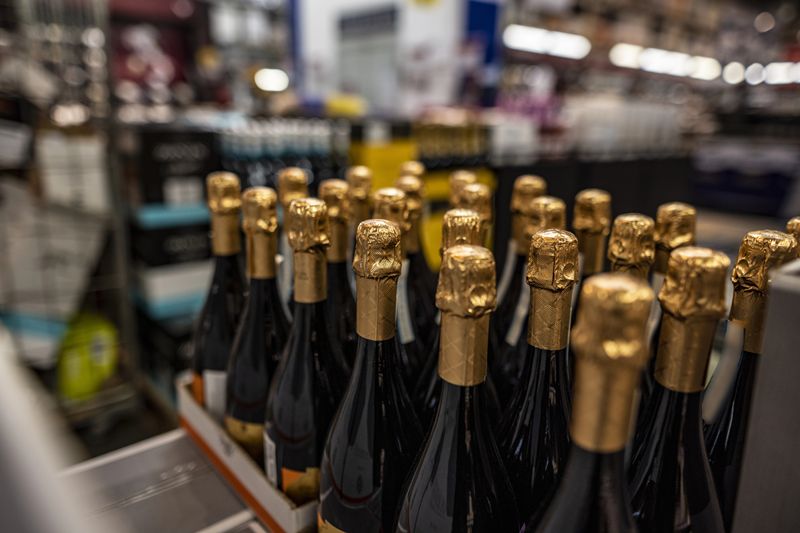
Italian food and drink products are gaining ground in France, with Prosecco now outselling Champagne in French supermarkets and other Italian staples posting steady growth, according to retail data from Circana France.
The shift was already visible in 2025 and became more pronounced in 2026. Over the 12 months ending in August 2025, Prosecco sales in France’s large food retail chains reached 22.17 million liters, ahead of Champagne at 21.38 million liters. Over the 12 months ending in August 2026, the gap widened further: Prosecco climbed to 24.3 million liters, while Champagne fell to 20.1 million liters.
The figures mark a sharp reversal from only a few years earlier. In 2021, Champagne still held a strong lead in the same retail channel, with nearly 32.7 million liters sold, compared with 14 million liters for Prosecco.
Emily Mayer, director of research at Circana France, said the crossover reflects more than a short-term fluctuation in sparkling wine sales. In a public post discussing the numbers, she said Prosecco has now been selling more than Champagne in French mass retail for two years, even though Champagne was still selling at more than double Prosecco’s volume in 2022.
Price has been a major factor. Mayer said Prosecco’s average unit price was €6.24, compared with €24.95 for Champagne. That difference, she said, gives Prosecco a decisive advantage in accessibility for everyday consumers at a time when household budgets remain under pressure across Europe.
The data suggests the change is also tied to a broader rise in the appeal of Italian products in France, including both drinks and food. Mayer said limoncello sales volumes have risen 70% since 2022. Over the same period, sales of spritz bases and ready-to-drink spritz products increased 26%.
Italian pantry and dairy products also recorded gains over the past year, according to the Circana figures cited by Mayer. Pesto sales volumes rose 15%, bronze-die pasta increased 34%, mozzarella was up 6%, and breadsticks gained 4%.
Those categories point to a wider trend in French consumption habits rather than a single standout product. Italian goods appear to be benefiting from a mix of factors: familiar flavors, ease of use at home, a social and informal style of consumption, and lower average prices than some French or premium alternatives. In the case of Prosecco, that positioning has helped it move from being a secondary imported sparkling wine to a mainstream purchase in one of the world’s most tradition-bound wine markets.
The French market has long had a strong domestic identity in food and wine, particularly in categories such as sparkling wine where Champagne has deep cultural and economic importance. That makes Prosecco’s advance especially notable. Champagne remains a high-value product and keeps a far higher average price, but the volume trend shows that more French shoppers are choosing Italian sparkling wine for regular consumption.
Separate market data from FranceAgriMer has also pointed to a growing presence for Italian sparkling wines in French bistros, restaurants and bars, suggesting the shift is not limited to supermarket shelves. The retail numbers, however, offer the clearest measure so far of how much consumer behavior has changed.
The rise of spritz culture has likely contributed to the momentum. Prosecco plays a central role in popular cocktails such as the Aperol Spritz, and the increase in sales of spritz ingredients and ready-made versions indicates that French consumers are not only buying Italian wine but also adopting Italian-style drinking occasions. That change fits with a broader move toward casual, lower-cost social consumption.
Food is following a similar path. Products such as pesto, mozzarella and premium-format pasta are closely linked to dishes that are easy to prepare and widely recognized. Their growth suggests that Italian cuisine is no longer simply an occasional restaurant choice in France but an increasingly regular part of at-home shopping baskets.
For Italian exporters, the French figures add to evidence that the country’s food and wine industry can expand even in markets with strong local traditions. For French producers, especially in sparkling wine, the data underlines a difficult reality: category prestige does not always protect market share when consumers are looking for lower prices and more flexible consumption.
Champagne still dominates in value terms because of its much higher price point, and it remains one of France’s most powerful global brands. But in volume, French supermarket shoppers are now buying more Prosecco. At the same time, the wider performance of limoncello, spritz products, pasta, pesto and mozzarella shows that Italy’s advance in France is extending well beyond wine.