AECOC finds 60% of Spaniards keep bar and restaurant visits steady or higher
The survey found 77% spend the same or more per outing, with higher prices supporting bills despite cautious demand
Friday, November 13, 2026

Views › 467
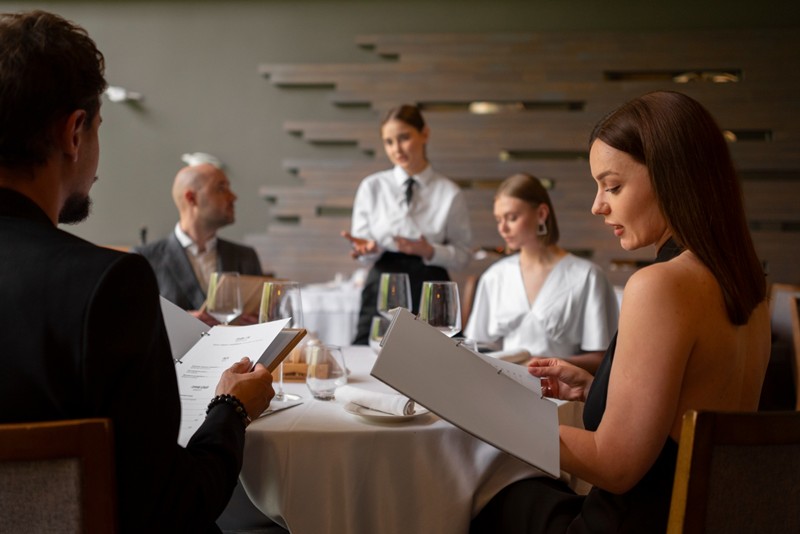
Spain’s hospitality sector is seeing stable demand rather than a clear surge in visits, even as customer spending remains firm. According to an AECOC survey released on Thursday, November 12 and reported by EFEAgro, 60% of consumers say they go out to bars and restaurants as often as or more often than they did in 2025, while 77% say they spend the same or more when they do. For restaurants and bars, that gap matters: higher spending does not automatically mean more traffic.
The figures come from a new edition of AECOC’s barometer on out-of-home consumption, presented during the Horeca Day: Perspectivas 2027 event. The study points to a market that is broadly holding up in 2026, but with customers paying closer attention to what they get for their money. AECOC said consumers are becoming more selective and more focused on value in each visit, a sign that operators may be able to protect sales without seeing a matching rise in frequency.
AECOC market research manager Marta Munné said part of the increase in spending is tied to higher prices. In her view, the amount spent has gone up because the cost of leisure consumption has risen, although the study also found that 10% of consumers are choosing more premium options. That suggests two forces are moving at the same time in the market: inflation is lifting the bill, and a smaller group of customers is trading up.
The survey also looked at why some consumers are going out more often. Among those who increased their visits, the main reasons were a stronger desire to enjoy free time, more income available for leisure and a wish to spend more time with friends and family. By contrast, the consumers who cut back mostly cited economic reasons and a need to control their budgets. That finding is important for the sector because it shows that demand is still vulnerable to household finances, even when the headline numbers look stable.
For hospitality operators, the study points to pressure not only on pricing but also on format and service. Munné said consumers are judging more than the meal itself. They are also looking at whether a space fits the moment, whether that means remote work, children or pets. Her point was that the same venue may need to function differently across the day or week if it wants to keep customers and fill more occasions.
The data on service preferences shows that traditional service still carries weight. AECOC found that 85% of consumers prefer table service even if it means waiting longer, and 70% would rather be served by a person than by digital tools. The pattern is weaker among younger consumers. Among people under 30, AECOC said only 46% put a higher value on human service, suggesting that some digital features may be more acceptable to that group than to older diners.
Business sentiment presented at the same event offered a more optimistic picture than the consumer caution implied by the survey. According to AECOC’s foodservice research, 80% of the companies in the study expect to grow in 2027. Within that group, 44% of executives said branded restaurant chains will be the segment with the strongest growth. Even so, the operating picture in 2026 appears mixed. AECOC said eight out of 10 companies increased sales this year, but only 10% beat their targets. Another 41% met their goals, while 49% said they finished below the objectives they had set.
That split between sales growth and missed targets suggests that revenue gains alone are not telling the full story. Companies may be selling more, but not always enough to offset tougher benchmarks, cost pressures or weaker-than-expected traffic. It also helps explain why many operators are likely to focus on productivity, menu engineering and customer retention rather than expansion alone.
Executives also appear more cautious about the consumer outlook than the topline spending figures might suggest. Looking ahead to 2027, 40% of executives surveyed by AECOC said consumers will become more careful and will put greater emphasis on financial security. Only 13% said leisure and enjoyment will be the main priority. That view lines up with the consumer responses showing that budget control remains the main reason for reducing visits outside the home.
Separate data presented at the event added more context on who will shape demand. Foodservice España said foreign residents account for 20% of Spain’s population in 2026 and could reach 30% by 2040. The group’s director, Cristina García Fuente, said the industry needs to better understand immigrant consumers, who are younger on average than the Spanish population. She also said that, despite having lower spending power, foreign residents consume more between meals, by up to 3 percentage points compared with Spaniards.
The tourism sector also pointed to a shift in demand that could support hospitality volumes, though not necessarily margins. At the same forum, Exceltur Vice President Óscar Perelli said the crisis in the Middle East has helped Spain in terms of visitor numbers because many travelers are choosing destinations they see as safer. He said the gain is more visible in arrivals than in pure economic growth, since higher energy costs are also weighing on transport, especially airlines, which are central to tourism flows.