Italy Captured 51% of U.S. Organic Wine Imports by Value
Italian organic wine sales to the United States reached €35.6 million in 2025, rising 2.2% in the first eight months of 2026 despite weaker overall demand
Friday, October 23, 2026
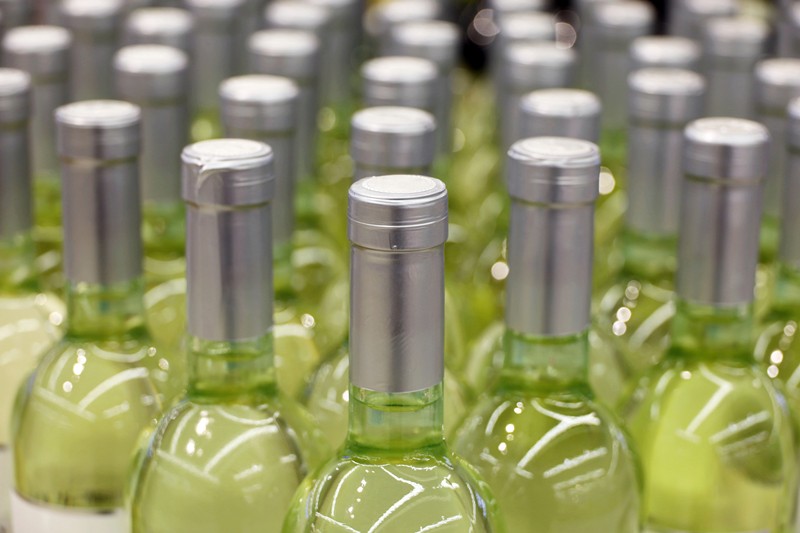
Italy accounted for 51% of the value of organic wine imported by the United States, according to a Nomisma analysis released Thursday, underscoring the country’s lead in a niche that is still growing even as the broader U.S. wine market contracts.
The research, prepared for the ITA.BIO platform, said U.S. imports of Italian organic wine totaled €35.6 million in 2025. In the first eight months of 2026, the value of those purchases rose 2.2% from the same period a year earlier. Nomisma said Italy remained the top foreign supplier of organic wine to the U.S. by a wide margin over its main competitors.
The figures come from a wider study on the U.S. market for Italian organic food products. Nomisma said the U.S. remains the world’s largest organic market, with sales of €60.4 billion in the latest reading, up 105.8% from 2014. In a consumer survey conducted for the project, 54% of respondents said they buy organic products at least once a week.
For the beverage industry, the wine data suggests that Italian organic labels are showing resilience in a market where overall demand has weakened. That could offer a useful benchmark for exporters, importers, and distributors weighing where to focus shelf space, restaurant placements, and marketing budgets in the U.S.
Nomisma’s survey also pointed to room for broader growth for Italian organic products. It said 43% of consumers had bought at least one Italian-made organic food product in the past year. The study linked that result in part to Italy’s reputation. Among respondents, 56% named Italy as the country they most associate with strong safety and quality standards for organic products, ahead of France and Canada.
At the same time, the report said awareness and availability remain important limits on further growth. Among organic consumers who do not buy Italian organic products, 40% said the price is too high, 37% said they do not find the products in their usual shopping channels, and 30% said Italian organic products are hard to identify on store shelves or in restaurants.
Nomisma said product recognition could be a major lever. According to the survey, 82% of consumers said a dedicated “Italian Organic” logo, designed to identify products made with 100% Italian ingredients, could encourage them to buy. The study also found a strong willingness to pay more: 74% of respondents said they would pay a premium for an Italian organic product over a comparable U.S. organic product.
The wine segment stands out because it is advancing in a tougher environment. Nomisma said U.S. wine consumption fell to 31.9 million hectoliters in 2025, down 10% from 2019. The report described the market as one in rapid change, with lower volumes and rising consumer attention to health and to products seen as innovative or lower in alcohol.
Even in that setting, the survey found meaningful interest in Italian organic wine. Nomisma said 19% of respondents are already buyers of the category. Among those buyers, 71% said Italian organic wine is better than U.S. or French organic wine, mainly because of taste, grape varieties, and Italy’s wine culture. The report added that nearly one in two consumers who do not currently buy Italian organic wine still view it as superior.
The study’s forward-looking results were also positive. One-third of current buyers said they expect to increase their consumption of Italian organic wine over the next two to three years. Among non-buyers, 25% said they could start buying it. Nomisma also identified Italian restaurants as a key entry point for new consumers. It said 64% of non-buyers would be willing to try a bottle of Italian organic wine at an Italian restaurant if it were recommended on the menu or by staff.
Those findings may be especially relevant for beverage companies trying to grow in a market where total wine volumes are under pressure. Restaurant lists, staff recommendations, and clearer country-of-origin signals could become more important tools for moving higher-value bottles than broad volume growth in retail alone.
The report was produced as part of ITA.BIO, a platform created to support the international development of Italian organic products. The initiative is promoted by ICE Agency, supported by FederBio, and carried out by Nomisma.
In comments released with the study, Emanuele Di Faustino, Nomisma’s head of industry, retail, and services, said the challenge for Italian organic producers is to turn a favorable market position into concrete growth by addressing the main barriers to purchase and improving visibility across sales channels. Aldo Cervi, coordinator of the service operators section at FederBio, said the U.S. offers tangible growth prospects for Italian organic products and that companies need support in international expansion to capture them.
The consumer survey behind the report was based on 1,000 people responsible for household food shopping, ages 18 to 65, living in New York and California. That sample gives the study a view of two large and influential markets, though not a full national cross-section of the U.S. consumer base. Even so, the results point to a clear pattern: organic products are already part of regular shopping habits for many American consumers, and Italian suppliers appear to hold a strong position in the organic wine category while still facing questions of price, visibility, and distribution.