EU negotiators reached a deal on organic logo rules for imports
The provisional accord extends trade arrangements for 11 non-EU countries through 2036, adding new conditions for using the bloc’s label
Wednesday, October 21, 2026
European Union negotiators reached a provisional deal Tuesday on changes to the bloc’s organic farming rules, setting new conditions for the use of the EU organic logo on imported goods and extending trade arrangements for 11 non-EU countries through the end of 2036.
The agreement was struck between the Irish presidency of the Council of the European Union and the European Parliament. According to the Council, the update is a targeted revision of the EU’s existing organic framework and is meant to make rules on production, labeling, certification and trade easier to apply while preserving consumer trust in the bloc’s organic standards.
A central part of the deal concerns imports. Products from non-EU countries whose organic systems are recognized by the EU as equivalent to its own rules would still be allowed to be sold in the bloc as organic. They could continue using the organic logo of their country of origin. But the provisional text says those products would be able to use the EU organic logo only if they also meet extra production and monitoring requirements that go beyond equivalence. The Council said those additional conditions could cover areas such as living soil, animal welfare and processing methods.
The change addresses a sensitive issue for producers outside the bloc, because the EU organic logo is widely recognized by consumers. The Council said the measure is intended to give operators more legal clarity while protecting confidence in the label and maintaining fair competition between EU and non-EU producers.
The provisional agreement also extends until Dec. 31, 2036 the EU’s recognition of the organic rules applied by 11 non-EU countries, including Argentina, Canada, New Zealand and the United States. That recognition is currently due to expire on Dec. 31, 2026. EU officials said the 10-year extension is intended to provide long-term predictability for businesses and avoid disruption to international trade.
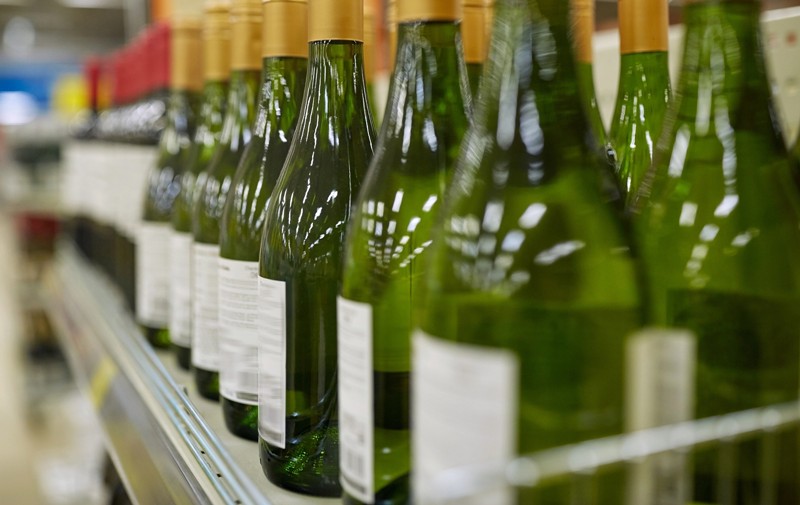
That part of the deal could matter well beyond food staples. Organic wine, beer and spirits producers in countries covered by the equivalence system may now face a more stable path into the EU market over the next decade, but they could also face stricter conditions if they want to place the EU organic logo on bottles sold in the bloc. For importers and beverage companies, the practical effect could include changes in labeling, certification checks and compliance costs, depending on how the final rules are implemented.
The agreement also tightens the bloc’s position on mixed-ingredient products. Council and Parliament dropped an earlier European Commission proposal that would have allowed the EU organic label on products containing less than 5% of ingredients from non-EU countries that do not meet the additional criteria. By removing that proposal, the negotiators moved toward a stricter approach to the use of the EU logo.
For smaller operators inside the EU, the provisional deal would raise the threshold for some certification exemptions. Under current rules, small operators that sell unpackaged organic products, such as loose fruit and vegetables, directly to consumers do not have to be certified. The annual turnover ceiling for that exemption would rise from €20,000 to €40,000, calculated as the annual average over the previous five years. The annual sales volume threshold would also increase from 5,000kg to 10,000kg.
The co-legislators also agreed, under certain conditions, to extend that exemption to small online retailers selling pre-packed organic products. EU officials said the goal is to reduce red tape, especially for smaller businesses, while keeping the overall control system in place.
The deal includes temporary flexibility in other areas of organic production. It would allow continued use for a limited period of non-organic protein feed for poultry and pigs, as well as non-organic aquaculture juveniles. The Council said those derogations would be phased out gradually.
To avoid disruption in the market, products that are already labeled under the current rules would still be allowed to be sold until stocks run out. The text also includes transition measures for imported products so that trade can continue without a legal gap when the revised framework takes effect.
Irish Agriculture Minister Martin Heydon, speaking for the presidency of the Council, said the agreement supports farmers, consumers and the agri-food sector and reflects a commitment to sustainable agriculture and a strong organic market across the EU.
The proposal still needs formal approval. The Council and the Parliament must endorse the provisional deal, after which the text will go through legal and linguistic review before final adoption by both institutions. EU officials said they want that process completed before the end of 2026, when the current recognition arrangements for imported organic products would otherwise lapse.
The revision comes as the EU’s organic sector has expanded sharply. According to figures cited by the European Commission, organic farmland in the bloc has grown by 79%, from 9.5 million hectares to 16.9 million hectares. The current legal framework, Regulation (EU) 2018/848, has been in force since January 2022 and sets common rules across the bloc for organic production, certification and labeling.
The latest changes also follow a ruling by the Court of Justice of the European Union on Oct. 4, 2024. The court said imported products recognized under equivalence arrangements cannot use the EU organic logo under the existing legal framework. The Council said the new agreement is part of the Commission’s broader effort to make the organic rulebook clearer for consumers and businesses while adapting it to the market’s growth.