USDA forecasts a smaller 2026 wine grape harvest.
The agency expects table grape and cranberry crops to grow, with declines projected for apples, peaches, pears and olives.
Thursday, October 1, 2026
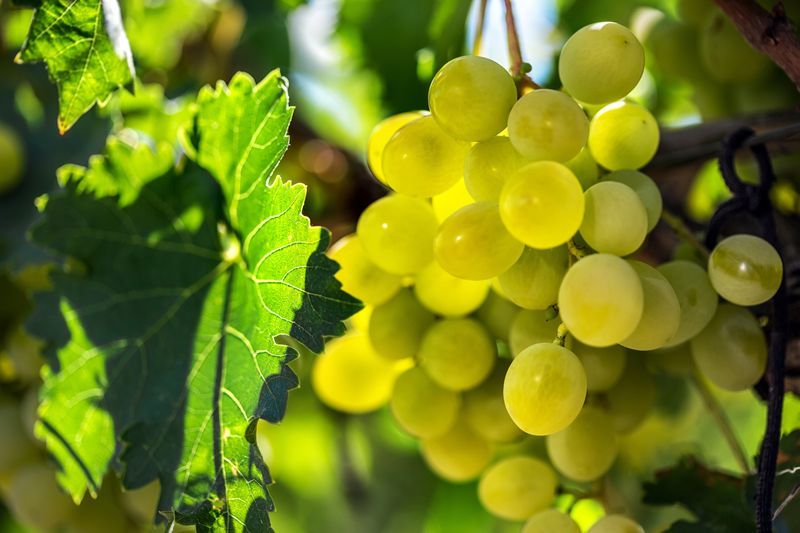
The U.S. Department of Agriculture expects a mixed year for fruit production, with larger 2026 crops for table grapes and cranberries but smaller harvests for grapes used in winemaking, along with apples, peaches, pears, and table olives.
The outlook came from USDA’s National Agricultural Statistics Service in its latest report on fruit and tree nuts. Catharine Weber, a USDA research economist, said the agency is forecasting higher production for table grapes and cranberries this year, while output is expected to fall for wine-type grapes and several other fruit categories.
The increase in table grape production is centered in California, the country’s dominant supplier. Weber said the harvest there started about three weeks earlier than normal because temperatures were warmer than average. That earlier start pulled shipments forward in the domestic market and also shortened the tail end of the season.
According to Weber, the earlier harvest led to earlier domestic movement of fruit and an early close to the shipping season. One result was lower shipment volumes late in the year, especially in November and December, when supplies are usually watched closely by buyers and distributors.
USDA also said cranberry production is expected to rise 5% from a year earlier. The gain is tied to year-over-year increases in three major producing states, led by Wisconsin, the top cranberry-producing state in the country.
The expected decline in wine-type grapes is likely to draw close attention across the beverage business because those grapes are a basic input for wine production. A smaller crop does not by itself determine how much wine will ultimately be available, since inventories, contracts, imports, and quality all play a role. But the federal forecast can still shape expectations for grape supply, winery purchasing plans, and negotiations in the raw materials market as the season develops.
That matters especially in a year when harvest timing has shifted. When warm weather pushes picking forward, it can change labor needs, trucking schedules, storage decisions, and the timing of deliveries to wineries and other buyers. For businesses tied to grapes, an earlier and potentially tighter supply picture can create pressure in planning even before final production totals are known.
The broader USDA forecast also points to reduced production for apples, peaches, pears, and table olives. The report cited those categories as part of the weaker side of the 2026 outlook, though the summary released through PNW Ag Network did not detail the size of each expected decline. Even without those figures, the pattern suggests that weather and growing conditions have not affected all fruit crops in the same way this season.
The split between stronger table grape production and weaker wine-type grape production is notable because the two crops serve different markets and move through different supply chains. Fresh grapes head into retail and produce channels, while wine grapes feed wineries and processors, where contracts and harvest windows can be more closely tied to production planning. That difference means a larger table grape crop does not offset a smaller wine grape crop for the wine industry.
USDA’s estimate gives growers, shippers, wineries, and buyers an early federal measure of how the 2026 season is taking shape. In California, Weber said, warmer-than-average temperatures pushed the table grape harvest well ahead of normal and reduced shipment volumes at the end of the season.