Italian Researchers Create the First Molecular Atlas of Grape Varieties
The study maps 126 vines through metabolomic fingerprints, giving winemakers a new way to compare grapes by chemistry.
Monday, September 28, 2026
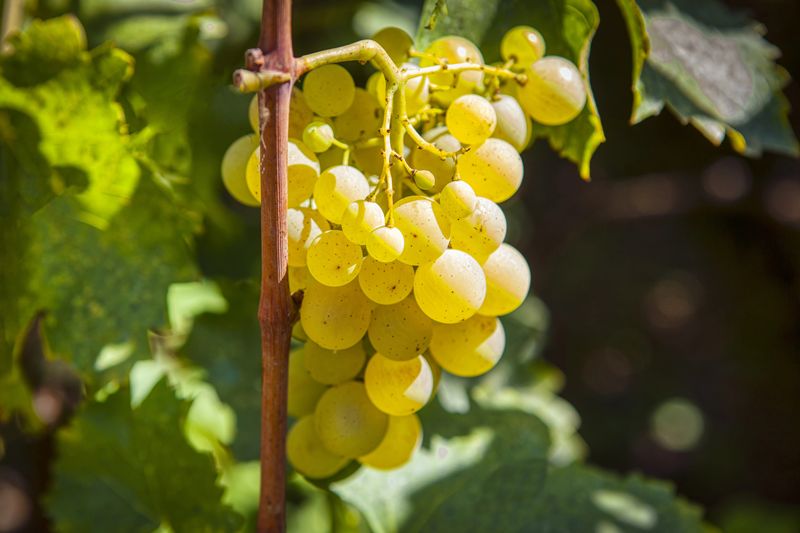
Italy has produced what researchers describe as the first molecular atlas of grape varieties built from their metabolomic fingerprints, giving scientists and wine producers a new tool to compare grapes through their chemical profiles rather than only through appearance, genetics, or agronomic traits.
The project was presented by Fondazione Edmund Mach, the Italian research center known for its work in agriculture and food science. The study examined 126 grape varieties and used LC-MS, or liquid chromatography-mass spectrometry, to measure the compounds that make up each grape’s metabolic profile. The results were published in the Journal of Agricultural and Food Chemistry.
At the center of the work is the idea that each grape variety carries a distinct chemical signature. By mapping that signature, researchers can build what amounts to a chemical identity card for each vine. The atlas is designed to show both the differences and the similarities among varieties, based on the molecules found in the grapes.
That matters because traditional classification methods do not always tell producers how closely two varieties may behave in the winery or how similar they may be in chemical terms. A metabolomic approach adds another layer of information. It can show how grapes relate to one another through compounds that are directly tied to the fruit’s composition and, potentially, to the characteristics that matter in winemaking.
The researchers’ use of LC-MS allowed them to process a large amount of chemical data across the 126 varieties in a standardized way. Metabolomics focuses on the small molecules present in a biological sample, and in grapes those molecules can help explain differences in aroma precursors, phenolic makeup, and other features relevant to wine production. The atlas therefore goes beyond simple identification. It creates a database that can be used for comparison and selection.
In practical terms, the work could help researchers and producers identify alternatives when they need grapes with similar chemical traits. That may be useful in breeding, in vineyard planning, and in evaluating lesser-known or local varieties against more established ones. For the beverage sector, especially wine, the atlas could strengthen the scientific basis for choosing varieties and designing winemaking strategies. It may also help shorten some research and development work by making it easier to spot meaningful similarities and differences early in the process.
The Italian wine industry has long relied on ampelography, field observation, and genetic analysis to distinguish grape varieties. Those methods remain important, but they answer different questions. A vine’s genetic identity does not always fully describe its chemical behavior in the fruit. The new atlas adds a functional dimension by showing what compounds are actually present and how those compounds cluster across varieties.
That could have value for producers working with native Italian grapes, a large and diverse group that is often difficult to compare in a systematic way. Italy has one of the world’s broadest collections of grape biodiversity, and many varieties remain less studied than international grapes such as Cabernet Sauvignon, Chardonnay, or Merlot. A detailed chemical map may help bring more of those local grapes into research programs and commercial evaluation.
The study also points to a wider change in agricultural and food science, where high-resolution analytical tools are being used more often to support decisions that once depended mainly on field experience or long trial periods. In the case of wine, that does not replace sensory judgment or vineyard knowledge, but it can give producers a more precise starting point.
Fondazione Edmund Mach’s work places Italy at the front of that effort in viticulture, at least in the field of large-scale metabolomic mapping of grape varieties. By assembling a reference atlas from 126 vines and publishing the results in a peer-reviewed journal, the researchers have created a resource that could be used by scientists, nurseries, breeders, and wineries looking for a clearer picture of how grape varieties compare at the molecular level.