Galicia’s 2026 grape harvest will exceed 80 million kilograms, setting the largest crop in its history.
Up to 3 million kilograms remain unpicked in Rías Baixas after Galicia’s vineyards nearly matched the 2011 record by Friday.
Monday, September 28, 2026
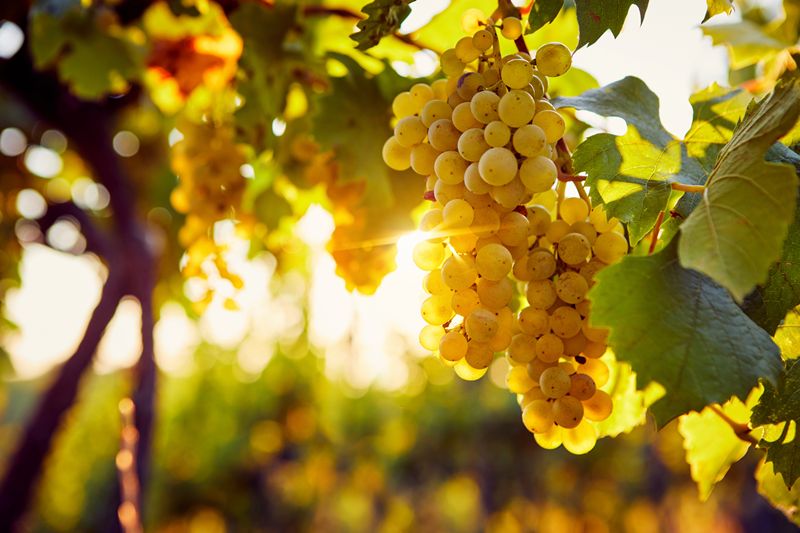
Galicia’s 2026 grape harvest is set to top 80 million kilograms, making it the largest crop in the region’s history, according to figures from the five Galician appellation councils cited Monday by Spanish outlet La Moncloa.
By last Friday, growers had already picked 77.54 million kilograms across Galicia’s five denominaciones de origen, just short of the previous record of 77.8 million kilograms set in 2011. La Moncloa reported that another 2 million to 3 million kilograms remained on vines in Rías Baixas, mainly because of a shortage of harvesting crews, which would push the final total above 80 million kilograms once the campaign closes.
The largest share came from Rías Baixas, with 46 million kilograms, or close to 60% of Galicia’s total output. The rest of the crop was spread across Ribeiro, with 9.34 million kilograms; Monterrei, with 8.79 million; Valdeorras, with 8.01 million; and Ribeira Sacra, with 5.40 million. In the inland wine regions, all four appellations improved on their 2025 harvests, according to the figures cited by the publication.
Monterrei posted the best harvest in its history. La Moncloa said the appellation has shown steady growth since its creation, interrupted mainly in 2017, when frost destroyed nearly 50% of the crop. Rías Baixas had reached its own peak in 2025 with 47.51 million kilograms, while Valdeorras set its record in 2024 with 8.25 million kilograms, Ribeira Sacra in 2019 with 7.26 million, and Ribeiro much earlier, in 2005, when it still led Galicia with 22 million kilograms.
The new harvest also underlines how much the balance of power inside Galician wine has changed over time. Ribeiro was the region’s dominant producer for much of the 20th century. That changed as vineyard restructuring favored native varieties such as albariño, godello, and mencía over authorized high-volume grapes such as palomino and garnacha. The shift cut into older volume patterns and helped lift the profile of regions that built their identity around local varieties and higher-value wines. Today, roughly six out of every 10 kilograms of Galician grapes come from Rías Baixas.
This year’s campaign also stood out for its timing. The 2026 harvest in Galicia began on August 12, almost a month earlier than the traditional calendar. La Moncloa described that move as further evidence of how climate change is altering the rhythm of wine growing in the region. The report said older workers in the sector still remember a time when the dates now marking the end of harvest once matched the start of picking for later white grapes and most red varieties.
That shift matters beyond Galicia. Spain is one of the world’s largest wine producers, and changes in the harvest calendar affect labor planning, cellar operations, transport, and commercial schedules across the industry. A crop this large, arriving this early, could add to wine supply in the Spanish market, increase pressure on storage and processing capacity, and force producers to adjust sales and inventory strategies for the months ahead. If similar patterns spread, wineries may also face tougher decisions on staffing and grape intake at a time when labor shortages are already affecting the pace of collection in some areas.
The labor issue was visible in Rías Baixas, where some grapes were still unpicked at the end of last week. The remaining volume was not described as a quality problem in the report, but as a sign that crew availability can shape final harvest totals even in a record year. For wineries, that creates a narrow operating window when fruit matures sooner and arrives in larger volumes.
Galicia’s wine sector has become a major part of the region’s rural economy, supporting jobs, land use, and a significant share of local agrifood activity. The source article said the regional government, the appellation councils, and the industry have broadly aligned around the long-term development of wine, with little political disagreement over the sector’s strategic value. That consensus has helped keep attention on vineyard restructuring, quality positioning, and support for rural production.
The record crop comes at a time when many wine regions in Spain are watching how weather extremes, shifting ripening dates, and labor constraints are changing the business. Galicia offers an especially clear case because of the speed of its transition. Two decades ago, the region moved away from volume-focused production toward native grapes that could command stronger prices and a clearer identity. That model has since drawn attention from other Spanish wine areas trying to strengthen their place in export and premium markets.
For now, the official campaign is still being finalized, and some late-harvest grapes remain on the vines. But the scale of the 2026 vintage is already clear. Galicia has passed its previous record and done so in a year marked by both abundant production and one of the earliest harvest starts on record, a combination that is likely to shape winemaking decisions in the region well beyond the close of this season.