Newsom signs California law letting wineries use tastings for market research
Backers say AB 1991 gives producers a clearer legal path to test consumer preferences before making long-term production bets.
Wednesday, September 23, 2026
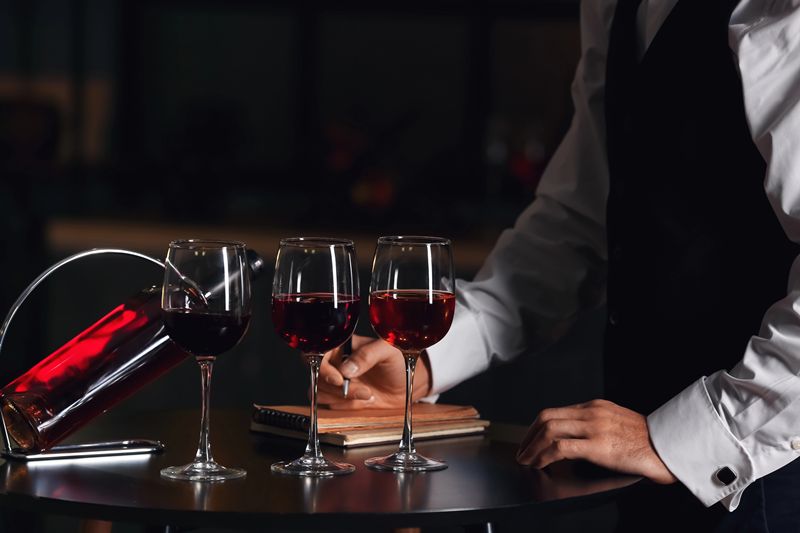
California wineries will be allowed to use organized tasting sessions as a formal market research tool under a new state law signed by Gov. Gavin Newsom, according to Wine Institute, the industry group that backed the measure.
The law, AB 1991, was signed on Sept. 18, Wine Institute said in a statement released Tuesday. The bill was written by Assembly Majority Leader Cecilia Aguiar-Curry, a Democrat from Winters. The group said the new law creates a clearer legal path for licensed wineries, and in some cases other alcoholic beverage producers, to conduct what it describes as sensory market research to better understand consumer preferences.
In practical terms, the law is aimed at allowing producers to hold tastings designed for research rather than direct sales or promotion. Those tastings can be used to gather reactions to a wine’s aroma, flavor, balance, mouthfeel and overall appeal. The idea is common in the broader food and beverage business, where companies often test products before deciding whether to change a formula, launch a new item or invest in additional production.
For wineries, those decisions can take much longer than they do in many other consumer businesses. A producer that wants to respond to changing tastes may need to decide what grapes to plant, how to blend a wine, how long to age it and how to position it in the market years before the final bottle reaches consumers. Industry advocates say that makes timely consumer feedback more important, because a wrong decision can tie up land, inventory and capital for a long period.
Wine Institute said AB 1991 is intended to give wineries another way to gather that feedback with clearer rules in place. The group said the law includes safeguards, including a requirement that participants be at least 21 years old and limits meant to ensure the tastings are used only for legitimate research purposes.
The measure arrives as California wine producers face a market that has become more uncertain. Wineries have been dealing with changing consumer habits, pressure on wine demand in some segments and competition from other alcoholic beverages. In that setting, a more direct way to test preferences could help producers decide whether consumers are looking for different styles, blends or flavor profiles before committing money to those changes. For the beverage industry more broadly, the law could ease a regulatory barrier around product testing and help companies react more quickly to shifts in demand.
Wine Institute framed the bill as part of a larger effort to update public policy for a changing marketplace. In its statement, the group said the law should help wineries plan investments and product development with more confidence. Steve Gross, the group’s president and chief executive, said better consumer insight can help producers decide where to invest and innovate.
Because the announcement came from the trade association that sponsored the measure, some of the anticipated benefits remain the industry’s view rather than a tested result. Still, the core change described by the group is straightforward: California now has a specific legal framework for research tastings that wineries say they have wanted as they try to make longer-term production decisions in a less predictable market.
The law may be especially relevant for small and midsize wineries that do not have the same resources as large consumer brands to commission outside market studies. A tasting-based research option could give those businesses a lower-cost way to test how drinkers respond to a possible new blend, a lower-alcohol style, a packaging change or a different price tier. It could also provide more direct feedback before a winery commits fruit, tank space and marketing dollars to a release.
Aguiar-Curry, who represents a district with strong agricultural and wine interests, has often worked on issues affecting the state’s wine sector. Wine Institute credited her with leading the bill through the Legislature. The group did not detail vote counts or opposition in its release, and state records would provide the fuller legislative history.
California remains the dominant force in U.S. wine production, so regulatory changes in the state often carry broader significance for the business. If wineries make wider use of research tastings under AB 1991, the measure could influence how producers develop products and read consumer trends at a time when beverage preferences are moving more quickly than the wine industry’s production cycle.