Spanish Wineries Set a Sales Record of €8.567 Billion in 2024
Lower operating costs helped lift the sector’s gross operating result to €941.9 million.
Tuesday, September 22, 2026
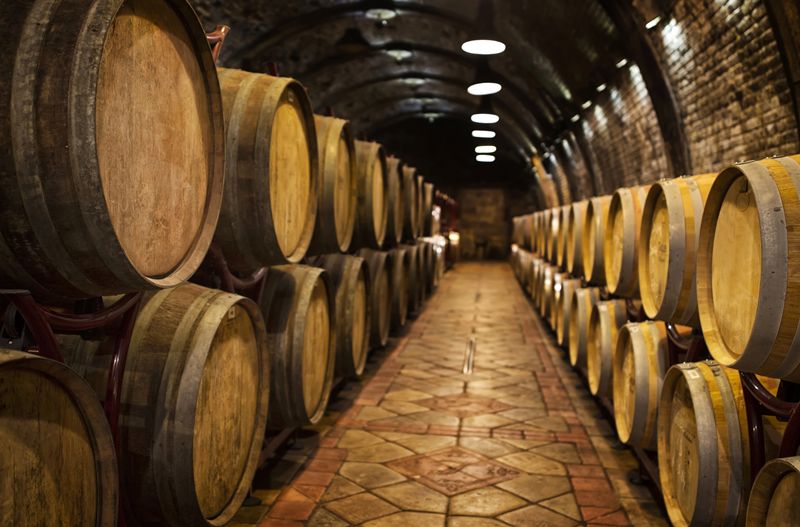
Spanish wineries posted their highest sales revenue on record in 2024, reaching €8.567 billion, according to a new industry report prepared by the Spanish Wine Interprofessional Organization, or OIVE, from data released by Spain’s National Statistics Institute, known as the INE. The figure was up 0.9% from 2023 and marked the strongest result in the historical series tracked by the statistics agency.
The report covers the Spanish wine production industry and compares its latest performance with earlier years. OIVE said the INE data show that the sector has returned to a growth path after earlier setbacks and has now surpassed all previous revenue levels. The 2024 result came after sales had already risen in 2021, 2022 and 2023, extending a four-year stretch of gains.
The historical data cited in the report show that Spanish winery revenue followed an upward trend from 1993 until the financial crisis period around 2009. Growth resumed from 2010 and continued until 2018, when revenue reached €8.414 billion. That trend was interrupted in 2019 and 2020, when sales declined, before the sector recovered in the following years. The new 2024 figure places the industry above the 2018 level and sets a new peak for the series.
At the same time, the number of companies making wine in Spain fell in 2024. The INE data put the total at 3,988 wineries, down 1.2% from a year earlier and 50 fewer than in 2023. OIVE said that decline pushed the industry back below the threshold of 4,000 wine-producing companies for the first time since the period covered in its comparison beginning in 2015. The figures suggest that while total revenue kept rising, the sector became slightly more concentrated, with fewer businesses accounting for the overall turnover.
The report also points to a sharp drop in the annual variation in product inventories. In 2024, that figure stood at €48.7 million, far below the record €237.1 million reported in 2023. That was a decline of 79.5% year over year. The inventory figure measures how the value of stored product changed over the course of the year and can reflect shifts in production, sales timing, or stock levels held by wineries. OIVE did not provide a detailed explanation for the decline in inventories in the report summary, but the data show a clear break from the unusually high level seen a year earlier.
Labor costs moved in the opposite direction. Total personnel expenses at Spanish wineries rose 4.9% in 2024 to €1.1862 billion, an increase of €55.2 million from 2023. According to the report, labor expenses have increased every year since 2015, when they stood at €762.5 million. OIVE highlighted the jump between 2017 and 2018, when personnel costs climbed from €835.1 million to €932.2 million, as one of the more notable increases in the series. The continued rise in labor spending indicates that employment-related costs remain a growing part of the sector’s financial structure, even as companies face other cost pressures.
Operating expenses, however, declined in 2024. The report said wineries’ total operating costs fell 4% from 2023 to €8.399 billion, a drop of €351.2 million from the prior year. In 2023, operating expenses had reached €8.751 billion, the highest level in the historical series. OIVE noted that operating costs had expanded sharply between 2015 and 2018, rising from €5.753 billion to €8.714 billion. The easing in 2024 suggests that some cost pressure may have moderated after the previous year’s peak, even though payroll spending continued to increase.
Using the difference between operating income and operating expenses, the INE’s structural business statistics estimate that the sector’s gross operating result rose in 2024 to €941.9 million. That measure offers a broad view of the industry’s earnings before other financial items and reflects the combined effect of higher revenue and lower operating expenses. In practical terms, the result indicates that wineries as a group improved their operating performance in 2024 despite the decline in the number of businesses and the steep reduction in inventory variation.
The report presents a mixed picture of the Spanish wine industry. On one side, sales revenue reached a record high and estimated operating earnings improved. On the other, the number of wine-producing companies continued to edge lower, showing that growth in turnover did not translate into an expansion in the number of firms. Spain remains one of the world’s major wine-producing countries, and the latest figures suggest that its winery sector entered 2024 with stronger revenue and better operating results than at any other point in the statistical series tracked by the INE.