U.S. Labor Day spirits sales rose 4.5% in stores
Circana scanner data suggested spirits outperformed other alcohol categories during the holiday window, but volume figures remain unavailable.
Wednesday, September 16, 2026
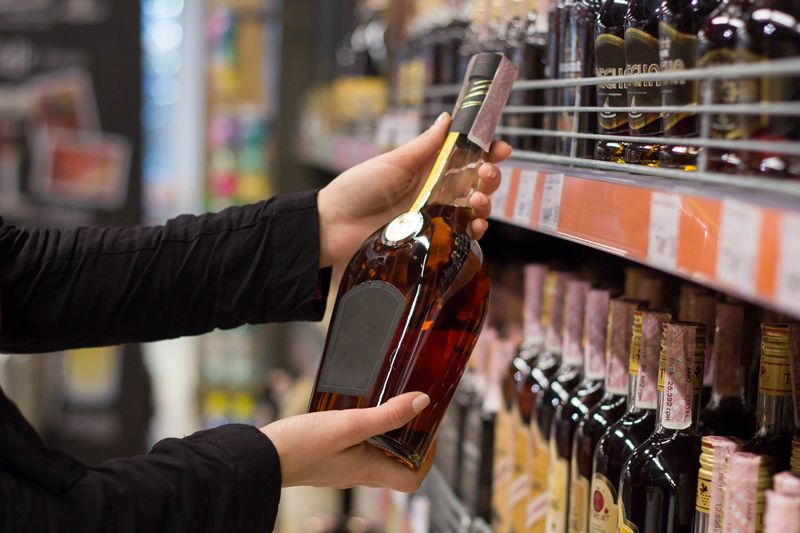
Retail sales of spirits in the United States rose 4.5% in dollar terms during the two-week Labor Day holiday period this year, compared with the equivalent period in 2025, according to Circana scanner data cited by trade publication Brewbound.
The increase covers off-premise sales, meaning purchases made in stores rather than in bars or restaurants, across the outlets tracked by Circana. The figures were published by Brewbound on Sept. 14 and point to a firmer showing for spirits during one of the country’s major late-summer drinking occasions.
The gain stands out because it came during a period of broader weakness in the U.S. alcohol market. Industry participants have spent much of the past year dealing with slower demand, tighter household budgets and uneven performance across beer, wine and spirits. Against that backdrop, the Labor Day reading suggests spirits held up better than other alcohol categories in the holiday window and, according to the trade report, ranked as the strongest performer among them.
The data, however, measure value rather than physical volume. Circana did not publicly disclose the total dollar amount sold, the number of cases or bottles moved, or a category breakdown for products such as whiskey, vodka, tequila, rum or gin. Without volume data, it is not possible to determine how much of the 4.5% increase came from higher prices, consumers trading up to more expensive products, changes in product mix, or an actual rise in units sold.
That distinction matters in the current market. Over the past two years, alcohol suppliers and retailers have faced shifting consumer behavior as inflation and higher borrowing costs have pressured discretionary spending. In that environment, dollar sales can rise even when shoppers buy fewer bottles, if they choose premium products or if prices move higher. A holiday-period gain in value therefore offers a positive signal for spirits, but it does not by itself settle the question of underlying demand.
Labor Day is closely watched by alcohol producers and retailers because it marks one of the final major seasonal moments of summer, when gatherings, cookouts and travel often support store traffic. For companies selling spirits, the holiday can provide a useful test of consumer willingness to spend on social occasions even when broader sentiment remains cautious. A stronger reading around Labor Day can also help shape expectations for the more important year-end holiday season, when spirits sales usually account for a larger share of annual revenue.
Even so, the available information remains limited. The published figure reflects a comparable two-week holiday period rather than a full monthly or quarterly view, and it does not show how individual channels performed. Circana’s monitored outlets include a broad mix of retailers, but the public summary does not indicate whether growth was driven more by liquor stores, grocery chains, mass merchants or convenience stores. It also does not show regional patterns, which can be important during holiday periods when weather, tourism and local pricing conditions can affect sales.
The absence of a brand or segment breakdown also leaves open questions about where demand was strongest. In recent years, tequila and ready-to-drink products have drawn a large share of attention in the U.S. beverage alcohol business, while some legacy categories have faced a more uneven pace. But the Labor Day release does not say whether the gain came from broad-based improvement across spirits or from strength concentrated in a few segments.
For retailers, the result still offers a notable data point. A 4.5% year-over-year increase in a monitored holiday window suggests that consumers continued to spend on spirits for at-home occasions despite pressure on budgets and despite a market that has recently shown signs of cooling. For producers and distributors, it may also reinforce the view that spirits remain relatively resilient in key consumption moments, even if the industry is still waiting for a clearer read on volumes and pricing.
Brewbound’s report relied on weekly scanner data from Circana, and the company has not made the underlying dollar totals or volume measures publicly available. That means analysts and investors looking for a fuller picture of holiday alcohol demand will likely need to wait for additional company disclosures, earnings commentary or broader market updates before drawing firmer conclusions about whether the Labor Day increase reflects stronger consumer demand or mainly higher average spending per purchase.